
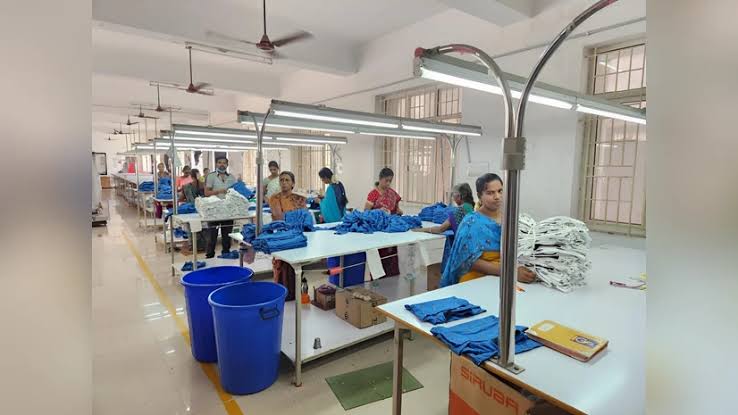
Exporters Sound Alarm Over Rising Costs
The Federation of Indian Export Organisations (FIEO) has raised concerns that the decision will severely disrupt India’s export flow. FIEO President S. C. Ralhan noted that Indian exporters are rapidly losing ground to lower-cost rivals such as Vietnam and Bangladesh, whose products continue to enjoy easier access to the US market.
“With cumulative tariffs now at 50 percent, India risks losing a significant share of its textile exports to competitors. Many units are shutting down as they can no longer sustain operations under such conditions,” Ralhan said in a statement.
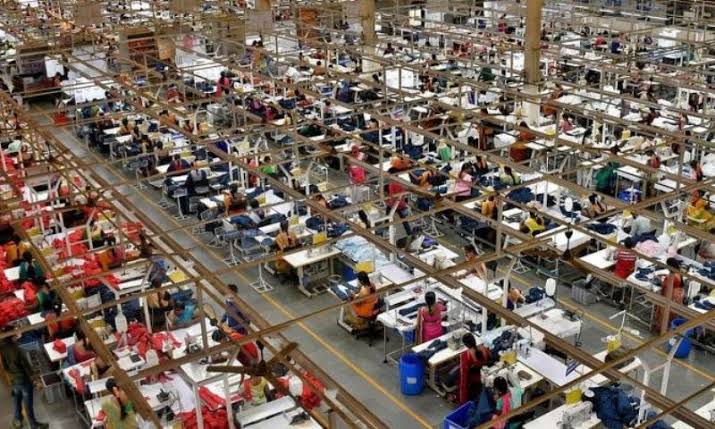

While the textile sector is the most directly affected, the ripple effects extend to other industries. Seafood exporters, particularly shrimp farmers, are bracing for heavy losses. Nearly 40 percent of India’s seafood exports are absorbed by the US market, and exporters fear rising tariffs will result in stockpile accumulation, supply chain disruption, and farmer distress.
The situation could also affect India’s small and medium enterprises (SMEs), which form the backbone of the country’s textile supply chain. Many of these businesses rely heavily on US demand and may face job losses and insolvency if conditions persist.
Government Response and Industry Demands
The Indian government has yet to announce a formal response to the US decision, though trade officials are reportedly exploring both diplomatic channels and relief measures for exporters. Industry bodies have urged the Centre to consider export subsidies, interest rate support, and diversification of markets to counter the blow.
“This is not just about trade but about livelihoods,” said a senior industry representative from Tirupur. “Millions of workers depend on this sector. The government must act quickly to safeguard jobs.”
Historical Context and Future Outlook
India’s textiles sector has long been a cornerstone of its export economy, contributing significantly to foreign exchange earnings. The US has historically been India’s largest market for textiles and apparel. However, escalating tariff battles now threaten to undo decades of progress.
Analysts warn that if the standoff continues, India may need to aggressively pivot towards alternative markets in Europe, West Asia, and Africa. Industry experts are also pushing for faster adoption of Free Trade Agreements (FTAs) with regions like the EU to reduce dependence on the US.
Meanwhile, stakeholders await further clarity on Washington’s broader trade strategy, especially as global supply chains remain volatile. For India, the crisis underscores the urgent need for trade diversification and competitive reforms.