
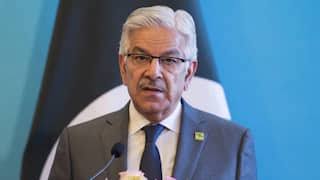
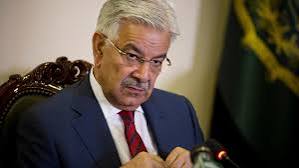

The defence minister traced the roots of Pakistan’s troubles to its decision to realign with Washington after 1999, especially following the September 11, 2001 terror attacks. Pakistan became a frontline ally in the US-led war on terror, turning against the Taliban and opening its territory for military and intelligence operations.
According to Asif, the costs of this alignment far outweighed any short-term diplomatic or financial gains. He told lawmakers that Pakistan absorbed the fallout of war long after its allies exited, leaving the country trapped in cycles of violence, extremism, and economic stress.
‘Jihad Was Misused’, Says Asif
Breaking from long-standing state narratives, Khawaja Asif rejected the idea that Pakistan’s involvement in Afghanistan was driven by religious duty. He said Pakistanis were mobilised under the banner of jihad, a framing he described as misleading and destructive.
Asif admitted that even Pakistan’s education system was reshaped to legitimise these wars, embedding ideological distortions that persist to this day. He argued that the anti-Soviet war of the 1980s was dictated by American geopolitical interests, not religious necessity, and never met the conditions required for a genuine declaration of jihad.
Role of Military Rulers Questioned
The defence minister directly blamed former military rulers General Zia-ul-Haq and General Pervez Musharraf for entangling Pakistan in conflicts that were not its own. He said these decisions were taken without considering long-term national consequences.
Asif noted that while global powers moved on after achieving their objectives, Pakistan remained burdened with radicalisation, internal insecurity, and diplomatic isolation. “The losses we suffered can never be compensated,” he told Parliament, calling those choices irreversible mistakes.
‘Used and Discarded’ After 9/11
Referring to the post-2001 period, Asif said Pakistan supported the US war on terror in good faith, only to be left behind when Washington withdrew from Afghanistan two decades later. He accused the US of treating Pakistan as a disposable tool rather than a genuine partner.
His blunt language reflects a growing sentiment within Pakistan’s political class that past alliances with Washington undermined sovereignty and stability. Similar critiques have appeared in Pakistani media and parliamentary debates in recent years.
Rare Admission With Regional Implications
Analysts say Asif’s statement is significant because such admissions have rarely been made so openly by serving defence ministers. His remarks could signal a shift in how Pakistan publicly evaluates its past foreign policy decisions.
For India and the wider region, the comments reinforce long-held concerns about the destabilising impact of external interventions in South Asia. As Pakistan reassesses its strategic choices, the long-term implications for regional security remain uncertain.