 Centre’s Deregulation 1.0 Framework
The Deregulation 1.0 initiative was launched by the Government of India to reduce unnecessary compliances, streamline approvals, and create a predictable regulatory environment for businesses. The framework identified 23 priority areas covering land acquisition, building permissions, labour regulations, utilities, environmental clearances, and digital service delivery.
According to the official state-wise ranking report, Uttar Pradesh’s full-scale implementation across all sectors placed it ahead of other states in terms of reform depth and execution. Senior officials in the Chief Minister’s Office described the ranking as a reflection of the government’s sustained focus on ease of doing business.
Major Land and Infrastructure Reforms
Land-related reforms formed a core component of Uttar Pradesh’s performance. The state introduced a flexible zoning framework allowing mixed-use development and simplified land-use change procedures through complete digitisation. Minimum road width norms for rural industries were rationalised, making it easier for micro, small and medium enterprises to set up units.
In a significant step towards transparency, the state integrated its GIS-based land bank with the India Industrial Land Bank, enabling investors to access real-time data on available industrial land. This integration has reduced decision-making timelines and improved investor confidence.
Industry Minister Nand Gopal Nandi stated that linking the state land bank with the national platform ensures faster approvals and greater clarity for businesses planning new projects.
Construction and Approval Process Simplified
The building and construction sector also witnessed sweeping changes. Regulations were amended to minimise land loss in industrial and commercial plots. The state expanded the use of empanelled third-party agencies for building plan approvals, joint inspections, and fire safety checks.
Occupancy certificates and related approvals are now issued online, significantly reducing delays. These changes have shortened project timelines and lowered compliance costs for developers and industrial units.
Labour Reforms to Boost Workforce Participation
Labour reforms under Deregulation 1.0 focused on balancing worker welfare with industry requirements. Restrictions on women working in hazardous industries were removed, while provisions were introduced to allow women to work night shifts in factories, shops, and commercial establishments, subject to safety norms.
Working hour limits were rationalised, and the compliance threshold under the Shops and Establishments Act was raised to establishments employing 20 or more workers. These measures aim to encourage formal employment and increase workforce participation, particularly among women.
Digital Governance and Faster Utilities
Additional reforms included third-party certification for environmental consents, simplified online factory and trade licence systems, and faster electricity and water connections through digital platforms. Non-polluting industries were reclassified under the White Category, eliminating the need for prior environmental clearances.
The Uttar Pradesh Sugamya Vyapar Amendment Act, 2025 further streamlined business processes. All state-level services were integrated with the State Single Window System, which is linked to the National Single Window System, ensuring seamless approvals across departments.
Industry and Expert Reactions
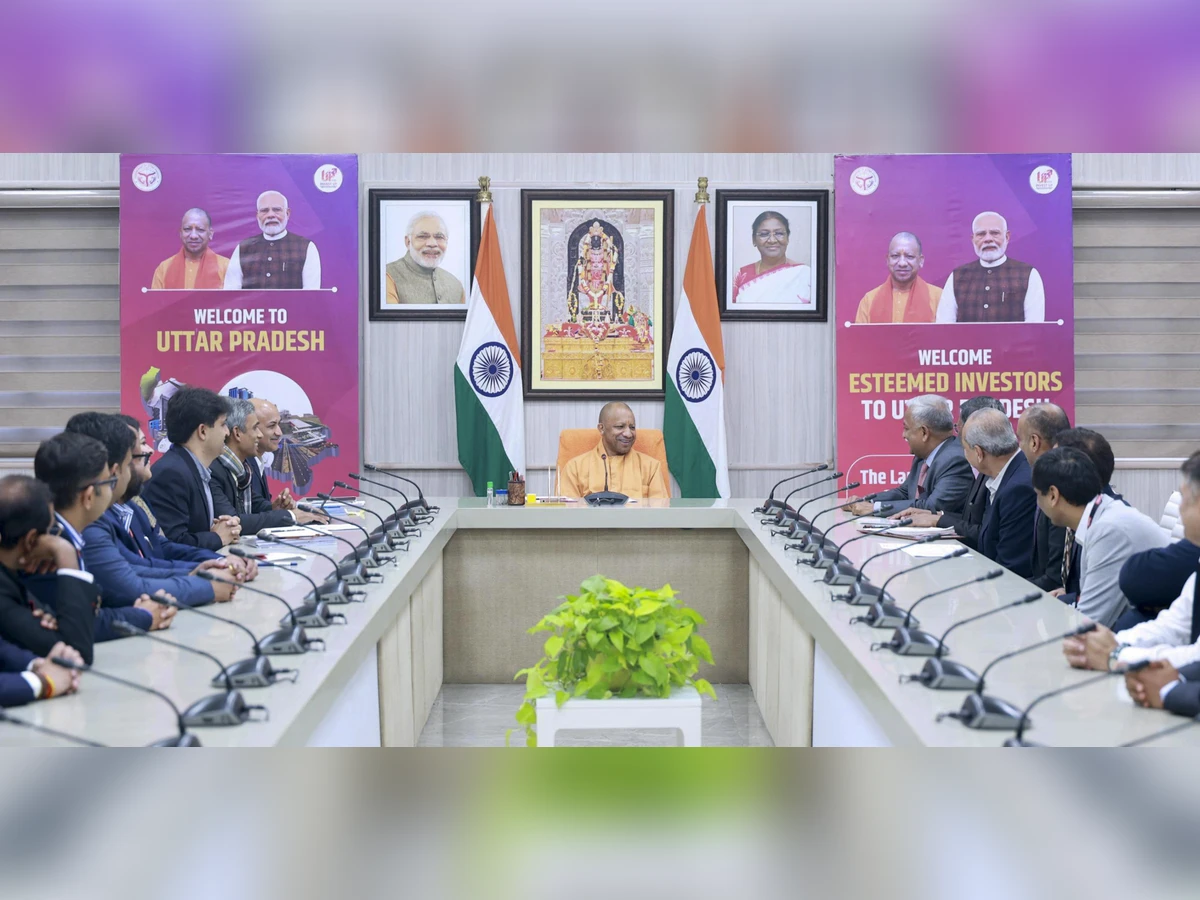
Industry bodies have welcomed Uttar Pradesh’s top ranking. Mukesh Singh, Chairman of the UP Coordination Committee of the Indo-American Chamber of Commerce, described the reforms as a game-changer that would unlock large-scale investments and attract global supply chains.
Business consultant Neha Kapoor noted that digitisation and third-party approvals have reduced project delays by several months, making Uttar Pradesh competitive with leading industrial states.
Officials from Invest UP stated that the focus remains on reducing unnecessary compliances while ensuring accountability through technology-driven governance.
A Benchmark for Other States
Uttar Pradesh’s performance in Deregulation 1.0 sets a benchmark for other states aiming to improve their business environment. With policy simplification, transparent systems, and investor-centric governance, the state is positioning itself as a major engine of India’s industrial and economic growth.
The top ranking reinforces the state government’s long-term vision of making Uttar Pradesh the first choice for domestic and global investors.