

The Uttarakhand High Court has cleared the way for upcoming panchayat elections in the State. The Division Bench lifted a stay order that had paused the electoral process since June 23.
Why Was the Stay Imposed?
Social activist Ganesh Datt Kandpal filed a petition challenging the State’s reservation policy. He claimed that the new rotation system violated Section 126 of the Uttarakhand Panchayati Raj Act, 2016 and Article 243T of the Constitution.
According to him, some seats remained reserved beyond the permissible three-year term. This, he argued, blocked fair opportunity for other communities.
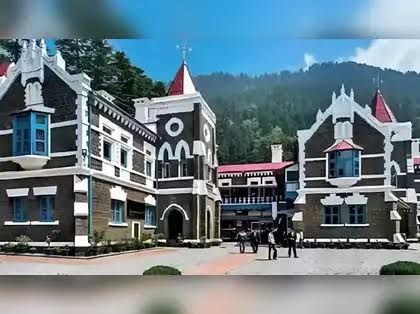

A Division Bench led by Chief Justice G Narendar and Justice Alok Mehra heard the case. The State government submitted documents explaining the basis of its rotation policy.
After reviewing the evidence, the Bench found the policy procedurally sound. Therefore, it allowed the elections to proceed as scheduled. A detailed judgment is expected soon.
Petitioner’s Stand
Advocate Shobit Saharia, who represented the petitioner, alleged that the new reservation policy was politically motivated. He pointed out that the public was not consulted before implementing it.
While the High Court lifted the stay, Saharia indicated that the petitioner might appeal to the Supreme Court of India.
Why This Matters
Panchayat elections are vital to rural democracy. These elected bodies manage local development, sanitation, and education. Any delay or controversy affects governance at the grassroots level.
Legal experts believe that courts prefer not to interfere with electoral processes unless there is clear illegality. However, transparency in policies like seat reservations is essential to avoid social unrest.
Conclusion
The court’s order enables the State Election Commission to resume preparations for polls. However, further legal scrutiny may follow if the petitioner escalates the matter.
This case reflects the complex balance between social justice and democratic fairness. Transparent policies and timely elections are both essential to maintain public trust.