Challenge Process Seals the Deal
The Committee of Creditors (CoC) held a crucial meeting on September 5 to conduct a challenge process for JAL’s sale. According to sources, only Vedanta and Adani Group placed firm bids after multiple companies, including Dalmia Bharat, Jindal Power, and PNC Infratech, expressed interest. Vedanta’s offer, valued at a net present value (NPV) of ₹12,505 crore, edged out Adani’s final submission.
Lenders have been grappling with JAL’s financial distress for years, with claims exceeding ₹57,185 crore. The National Asset Reconstruction Company Ltd (NARCL), which acquired a large portion of the stressed loans from a consortium led by the State Bank of India (SBI), is the largest creditor.
 Why Jaiprakash Associates Matters
Founded as part of the Jaypee Group, JAL has sprawling business interests in real estate, cement, power, hospitality, and infrastructure. Once a symbol of ambitious expansion, the company collapsed under unsustainable debt after over-leveraged projects stalled and revenues dwindled. The insolvency proceedings began after the National Company Law Tribunal (NCLT), Allahabad Bench, admitted JAL into the Corporate Insolvency Resolution Process (CIRP) on June 3, 2024.
Among its marquee assets are major real estate developments such as Jaypee Greens in Greater Noida, portions of Jaypee Greens Wishtown in Noida, and the Jaypee International Sports City, located strategically near the upcoming Jewar International Airport. Its hospitality arm runs five hotels in Delhi-NCR, Mussoorie, and Agra.
Cement and Power Assets in Focus
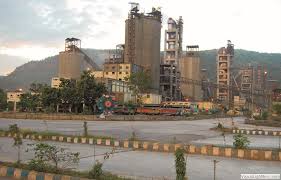
JAL owns four cement plants across Madhya Pradesh and Uttar Pradesh, alongside leased limestone mines in Madhya Pradesh. However, these plants are currently non-operational. Its subsidiaries include Jaiprakash Power Ventures Ltd, Yamuna Expressway Tolling Ltd, and Jaypee Infrastructure Development Ltd. Analysts say Vedanta’s acquisition could help revive some of these assets, particularly in cement and power, where Vedanta has strategic interests.
IBC’s Role in India’s Corporate Cleanup
The Jaiprakash Associates case underscores the growing role of India’s IBC framework in addressing corporate defaults. Since its introduction in 2016, the law has allowed creditors to take decisive action against defaulting firms, though delays and protracted litigation remain challenges. In this case, the CoC’s decision could provide much-needed relief to banks burdened with bad loans.
What’s Next for Vedanta?
With this acquisition, Vedanta not only expands its footprint into infrastructure and cement but also strengthens its portfolio in the Indian market at a time when demand for housing and cement is projected to rise. However, much depends on the final approval of the resolution plan by the NCLT and how Vedanta navigates regulatory hurdles and asset revival challenges.
If completed, the takeover would mark one of the largest successful debt resolutions under the IBC, sending a strong signal to both global investors and Indian lenders about the country’s improving insolvency ecosystem.