India as a Living Civilization
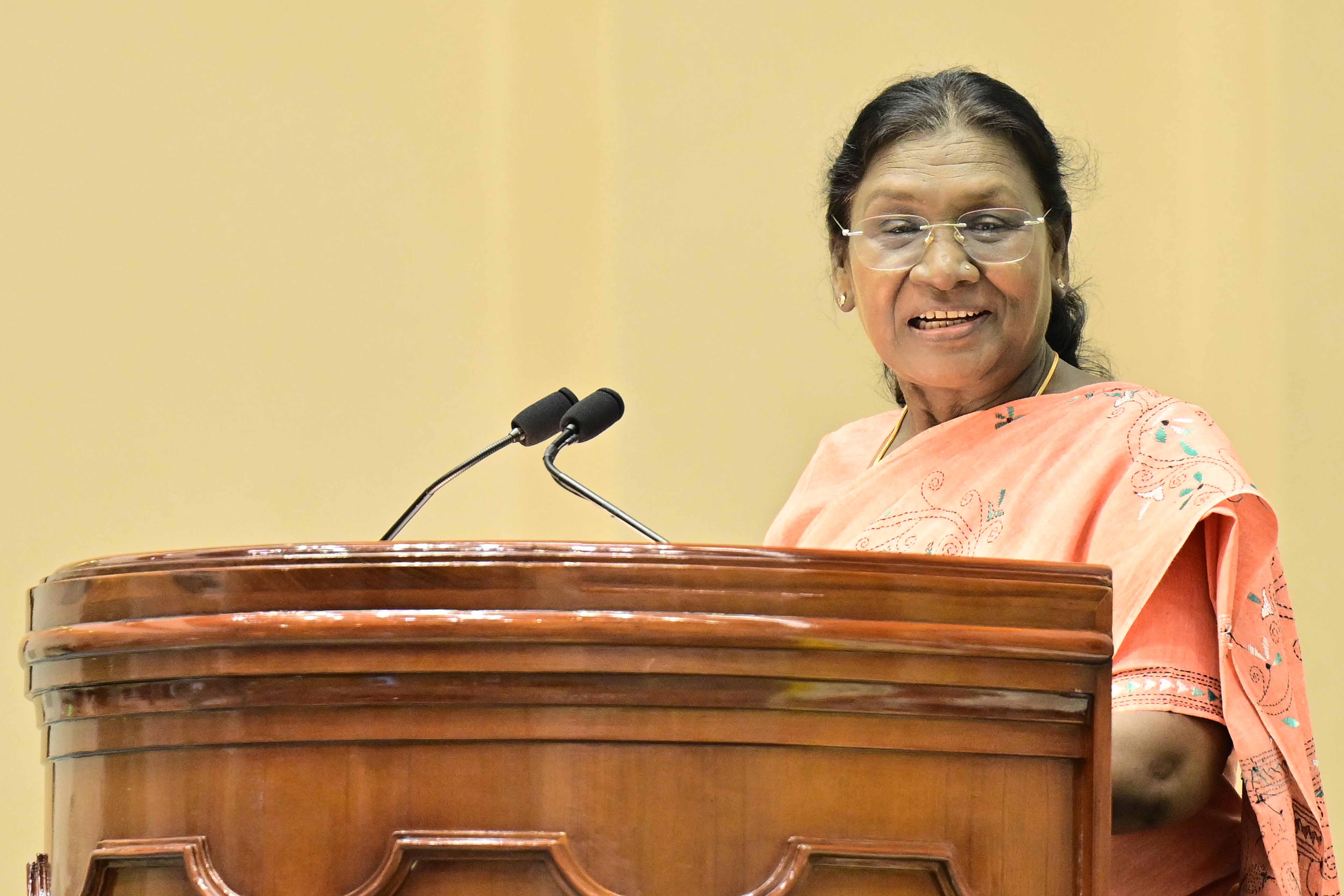
Speaking at the ceremony, Radhakrishnan said that India is not merely a geographical entity but a living civilization that has evolved over thousands of years. He noted that the country’s spiritual traditions and philosophical teachings continue to guide humanity in matters of duty, righteousness, and faith.
According to him, the wisdom of the Vedas and the teachings of sacred texts such as the Bhagavad Gita have shaped India’s moral and cultural foundations. These teachings, he said, encourage people to act with courage, maintain ethical values, and remain dedicated to the greater good.
The Vice President emphasized that India’s cultural heritage represents an unbroken chain of knowledge and spirituality stretching from the ancient Indus Valley civilization to modern times.
Hindu Consciousness Beyond Rituals
Highlighting the philosophical depth of Indian traditions, Radhakrishnan stated that Hindu consciousness extends far beyond rituals or ceremonies. Instead, he described it as a holistic way of life rooted in compassion, harmony, and universal brotherhood.
He referred to the ancient concept of “Vasudhaiva Kutumbakam,” which means the entire world is one family. This philosophy, he said, reflects India’s spiritual worldview that sees divinity present in nature and within every human being.
According to the Vice President, this spiritual outlook has played a vital role in shaping India’s inclusive and tolerant society, allowing diverse communities and traditions to coexist peacefully.
Contribution of the Veera-Shaiva Lingayat Tradition
Radhakrishnan also acknowledged the significant contributions of the Veera-Shaiva Lingayat tradition to spiritual and social life in Karnataka and neighboring Maharashtra. He noted that Lingayat institutions and mutts have historically played a vital role in promoting education, social harmony, and spiritual awareness.
The Vice President said that these religious institutions have long been centers of community service, spreading values of faith, discipline, and social responsibility.
He added that the efforts of such spiritual traditions have helped preserve India’s cultural heritage while encouraging social upliftment and moral values among communities.
Reviving Sacred Heritage
The Vice President paid tribute to Shiva Yogi Shri Kadasiddheshwar Swamiji for rediscovering and reviving the sacred temple site, which had remained hidden over time. He said the revival of the temple represents a renewed commitment to preserving India’s spiritual heritage.
He also praised the successive pontiffs of the Shri Kadasiddheshwar Mutt for their continuous efforts in maintaining temple traditions, performing daily rituals, and supporting renovation work at the site.
Radhakrishnan noted that such initiatives ensure that sacred places continue to inspire spiritual devotion and cultural pride among future generations.
Sanatana Dharma Endures Through Time
Reflecting on the enduring strength of India’s spiritual traditions, the Vice President said that Sanatana Dharma has stood the test of time despite numerous challenges throughout history. He emphasized that while it may be tested by circumstances, its core values and philosophical foundations remain indestructible.
According to him, the resilience of Sanatana Dharma lies in its universal principles, which encourage compassion, truth, and harmony.
He added that these teachings have helped shape India’s identity and continue to guide society even in the modern era.
Development and Heritage Together
The Vice President also referred to Prime Minister Narendra Modi’s vision of “Vikas Bhi, Virasat Bhi,” which stresses that India’s development must go hand in hand with the preservation of its heritage.
He noted that India is emerging as a technologically advanced and economically strong nation while remaining deeply connected to its civilizational roots.
According to Radhakrishnan, the restoration of temples and sacred sites is not merely about architecture. Instead, it is about rebuilding cultural confidence and strengthening spiritual awareness among people.
Dignitaries and Devotees Attend Ceremony
The event witnessed the presence of several dignitaries and religious leaders. Karnataka Governor Thawarchand Gehlot, state minister M. B. Patil, Rajya Sabha member Iranna Kadadi, and Srishaila Jagadguru Dr. Channa Siddarama Panditaradhya Shivacharya Swamiji were among those present.
A large number of devotees also participated in the ceremony, turning the occasion into a vibrant celebration of faith and devotion.
Officials said the ceremony symbolized not only the completion of important temple works but also the continuing strength of India’s spiritual traditions.