

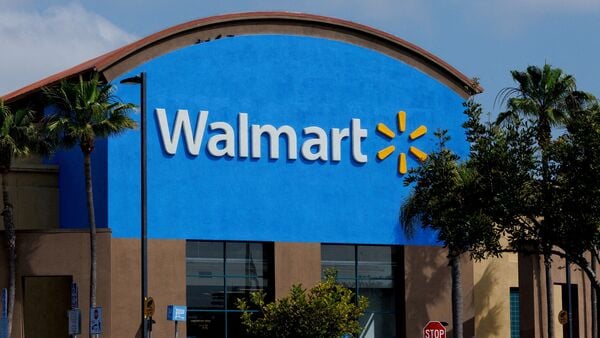

Walmart’s market capitalization has climbed above $920 billion, driven by strong sales growth in essential goods and increasing consumer demand for low-cost products. The company’s e-commerce operations in the United States are expected to turn profitable in 2026, with notable revenue growth in advertising, marketplace services, and membership programs, according to Bloomberg.
In addition, Walmart has integrated artificial intelligence into operations such as supply chain management, workforce scheduling, and customer engagement. Recent collaborations with OpenAI have introduced AI-powered tools for shoppers, enhancing digital convenience and personalization.
AstraZeneca Exits Amid Revenue Challenges
AstraZeneca’s departure from the Nasdaq 100 highlights a decline from its pandemic-era peak. Revenue from its Covid-19 vaccine has diminished, and investors are focusing on competitors’ obesity treatments developed by companies like Novo Nordisk and Eli Lilly. The exit underscores shifting market priorities and the impact of post-pandemic performance on index composition.
Nasdaq 100 Performance and Global Influence
In 2025, the Nasdaq 100 posted a total return gain of roughly 21%, outperforming the S&P 500 (18%) and Dow Jones Industrial Average (16%). The index serves as a benchmark for global investment products, highlighting the prominence of top Nasdaq-listed non-financial companies in shaping international portfolios.
Walmart’s inclusion further strengthens the Nasdaq 100’s portfolio, reflecting robust operational performance, market influence, and digital innovation, while AstraZeneca’s exit signals a shift in investor sentiment and industry focus.