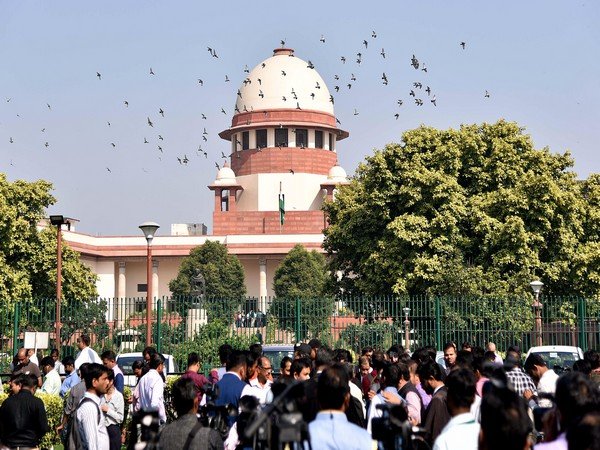
New Delhi, May 21, 2025 — The Supreme Court today continued its intensive hearing on the petitions challenging the constitutional validity of the Waqf (Amendment) Act, 2025. The Union Government, represented by Solicitor General Tushar Mehta, presented a firm defence of the changes, asserting that the amendments are a long-awaited attempt to bring transparency and order to the administration of waqf properties, while safeguarding both national heritage and community interests.
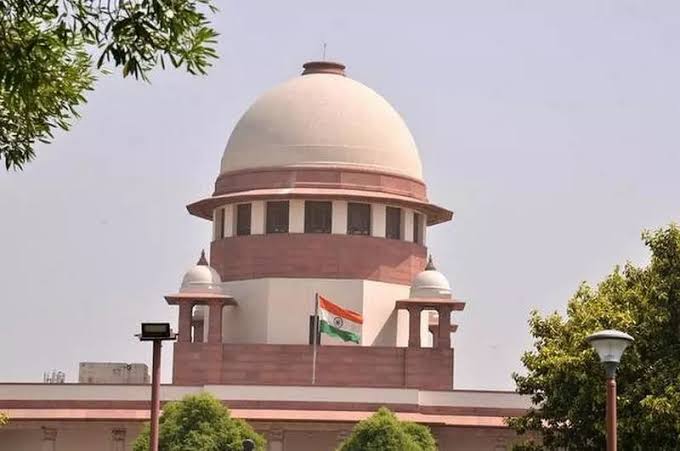
Responding section-by-section to the petitioners’ concerns, Mehta argued that the amended Act resolves long-standing administrative issues that have persisted since British rule. He stated that the reforms were introduced only after consultations with all stakeholders and were not intended to interfere with religious practices, but rather to address secular mismanagement and misuse of waqf assets.
A focal point of contention—the inclusion of non-Muslim members in Waqf Boards—was addressed with nuance and clarity. Mehta emphasised that non-Muslim members, limited to a small number, would only participate in the secular administrative affairs of the waqf and have no role in religious functions. He called their inclusion a step towards ensuring diversity, transparency, and fairness. He pointed out that in some states, religious institutions, including Hindu temples, are governed by officials regardless of religion under the Public Charitable Trusts Act, and this precedent guided the reform in waqf governance.
Throughout the hearing, the Solicitor General sought to dispel fears about potential overreach. He reiterated that only lawful owners can declare waqf, and that government or tribal lands are explicitly protected from being claimed under waqf. Section 3E of the amendment was highlighted as a safeguard to protect tribal lands, reinforcing constitutional values and community rights.
Mehta also addressed the sensitive issue of heritage monuments, expressing concern that commercial activities and structural modifications under certain waqf claims had compromised preservation efforts. He assured the court that protected monuments, once declared as such, could not be converted into waqf, although religious practices already existing at such sites would remain undisturbed.
On the question of “waqf by user,” he made it clear that the 2025 amendment had rightly removed recognition for unregistered waqfs that had not followed due legal process, stressing that statutory rights can be amended or revoked by new legislative policies aimed at public interest.
The Solicitor General strongly opposed the petitioners’ request for a stay or interim relief, warning that such an order would effectively undermine a democratically enacted law and encourage misuse by those bypassing registration for decades. He warned that legitimising undocumented claims would cause greater harm, including to the very Muslim communities that the Act intends to protect through structured and lawful administration.
The Bench, led by Chief Justice B.R. Gavai and Justice Augustine George Masih, heard arguments with care and allowed the petitioners another day to present their rejoinders. As the court adjourned for the day, it became clear that the final verdict on the Waqf (Amendment) Act would need to delicately balance constitutional freedoms, community sensitivities, and the imperative for accountable governance.
In a country as diverse as India, where faith and property often intersect in deeply complex ways, this case touches not only legal boundaries but emotional and historical legacies. As the legal process unfolds, many hope for a resolution that respects both the sanctity of religious endowments and the necessity of reform in public interest.