
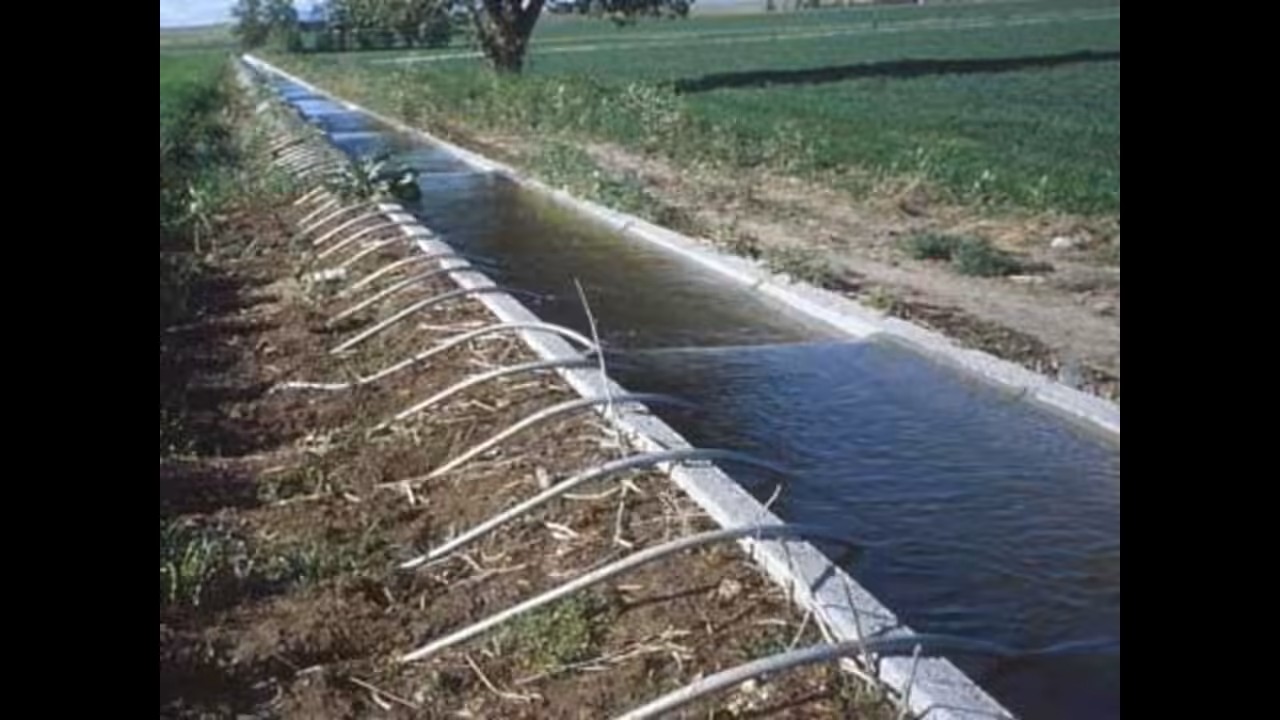
A National Call to Save Every Drop
Senior officials from the Ministry of Jal Shakti emphasised that India is approaching a critical phase of water stress, making irrigation efficiency a national priority. Joint Secretary Shri Sumant Narain highlighted the urgent need to scale up micro-irrigation, precision systems, and innovative irrigation models to reduce wastage and boost productivity.
He noted that agricultural irrigation remains the single biggest consumer of India’s freshwater resources, a challenge that must be approached through technology, policy reforms, and community participation.
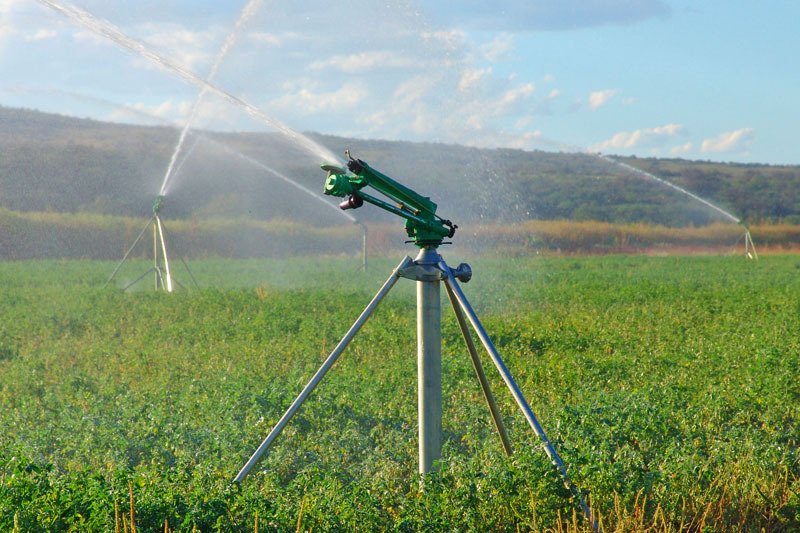

Additional Secretary and Mission Director of NWM, Ms Archana Varma, spotlighted the newly launched MCAD (Modified Command Area Development) scheme. Designed to modernise irrigation systems using pressurised pipelines, the scheme aims to deliver water more efficiently to fields while reducing losses in transmission and distribution.
She called for close coordination between the Centre and states to accelerate water conservation measures and modern irrigation practices. “India cannot afford inefficiencies in irrigation anymore,” she emphasised.
Wide Participation Across States
The conference saw the participation of around 150 delegates, including officials from central ministries, the Central Water Commission, Central Ground Water Board, ICAR, and representatives from irrigation and agriculture departments of Rajasthan, Punjab, Haryana, Uttarakhand, Himachal Pradesh, Karnataka, Jammu & Kashmir, and Leh.
Agriculture scientists, NGOs, and nearly 20 progressive farmers also contributed actively, sharing regional experiences and requesting stronger support mechanisms for adopting water-efficient technologies.
Technical Sessions Highlight Technology, Automation, and Best Practices
The event featured detailed discussions on policy frameworks, emerging technologies, and state-level models that have proven successful in enhancing water efficiency. States presented case studies such as:
- Mera Pani Meri Virasat and Sahi Fasal initiatives in Haryana
- Expanding micro-irrigation networks in Rajasthan
- Ice stupas for water storage in Leh
- SCADA-based automation in Karnataka
- Piped irrigation systems in Himachal Pradesh
- Lift irrigation solutions in Uttarakhand
Experts also discussed the Per Drop More Crop initiative of the Ministry of Agriculture and Farmers’ Welfare, and the MCAD pilot projects in Rajasthan, Punjab, Haryana, Himachal Pradesh, and Jammu & Kashmir.
The sessions underlined how digital tools—such as automation, remote sensors, satellite mapping, and real-time monitoring—can significantly enhance irrigation efficiency across diverse agro-climatic regions.
Path Forward: Technology, Policy, and Farmer Empowerment
Participants agreed that improving water use efficiency requires a combination of technological innovation, practical policy implementation, and on-ground adoption by farmers. The conference stressed the need to empower farmers through training, incentives for micro-irrigation, and improved access to modern irrigation infrastructure.
With India facing rising climate uncertainties, experts recommended faster deployment of sustainable irrigation systems, expanding digital water management tools, and strengthening collaboration between states for cross-learning of successful models.