 Showcasing India’s Ayush Systems
The Expo will present a comprehensive and curated display of Ayurveda, Yoga, Naturopathy, Unani, Siddha, Sowa-Rigpa and Homoeopathy. Through immersive exhibits, scientific explanations and digital interfaces, the exhibition seeks to translate India’s traditional knowledge systems into narratives that are relevant to contemporary global health priorities.
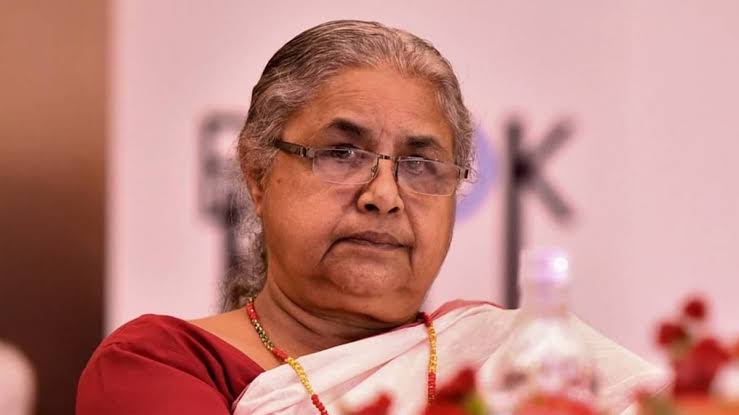
Prof. (Dr.) Tanuja Manoj Nesari, Director of the Institute of Teaching and Research in Ayurveda (ITRA), said the Expo has been designed to present traditional medicine in a scientifically grounded and globally relevant manner. She noted that by integrating classical knowledge with evidence-based practices and emerging technologies, the Expo aims to foster informed dialogue and strengthen research collaboration.
Medicinal Plants, Spices and Classical Therapies
Among the major attractions is the Medicinal Plants and Seeds Pavilion, which will display nearly 40 live medicinal plants and rare seeds. This section highlights India’s rich botanical heritage and the ecological foundations of traditional medicine systems.
The Spices of India Pavilion will explain the scientific basis of commonly used culinary herbs and their role in preventive healthcare. Another important feature, the Metallotherapeutics Zone, will showcase classical purification techniques, bhasma preparation processes and safety validation practices associated with traditional formulations.
Preventive Care and Digital Innovation
The Expo will also feature dedicated exhibits on Dinacharya, Ritucharya and Panchakarma, illustrating daily routines, seasonal regimens and therapeutic practices through traditional instruments and explanatory displays. India’s Traditional Knowledge Digital Library (TKDL) will be showcased as a globally recognised initiative aimed at protecting traditional knowledge and preventing bio-piracy.
Reflecting the convergence of tradition and technology, the Ayush NextGen Start-ups Pavilion will highlight innovations such as artificial intelligence applications, predictive diagnostics, wellness devices and digital health platforms. Visitors will also experience holographic displays, virtual reality-based guided Yoga sessions and Panchakarma walkthroughs.
Global Participation and WHO Zone
Complementing India’s Ayush showcase, the Expo will host a dedicated WHO Zone featuring traditional medicine systems from WHO Member States across regions. Participating countries will present their healing traditions, Indigenous knowledge systems and community-based health models through WHO-curated thematic zones.
A key highlight will be the launch of the Global Traditional Medicine Library (GTML) by WHO. Envisioned as a global digital repository, the GTML will bring together traditional medicine knowledge, research data and evidence from across regions to support scientific collaboration and evidence-informed policymaking.