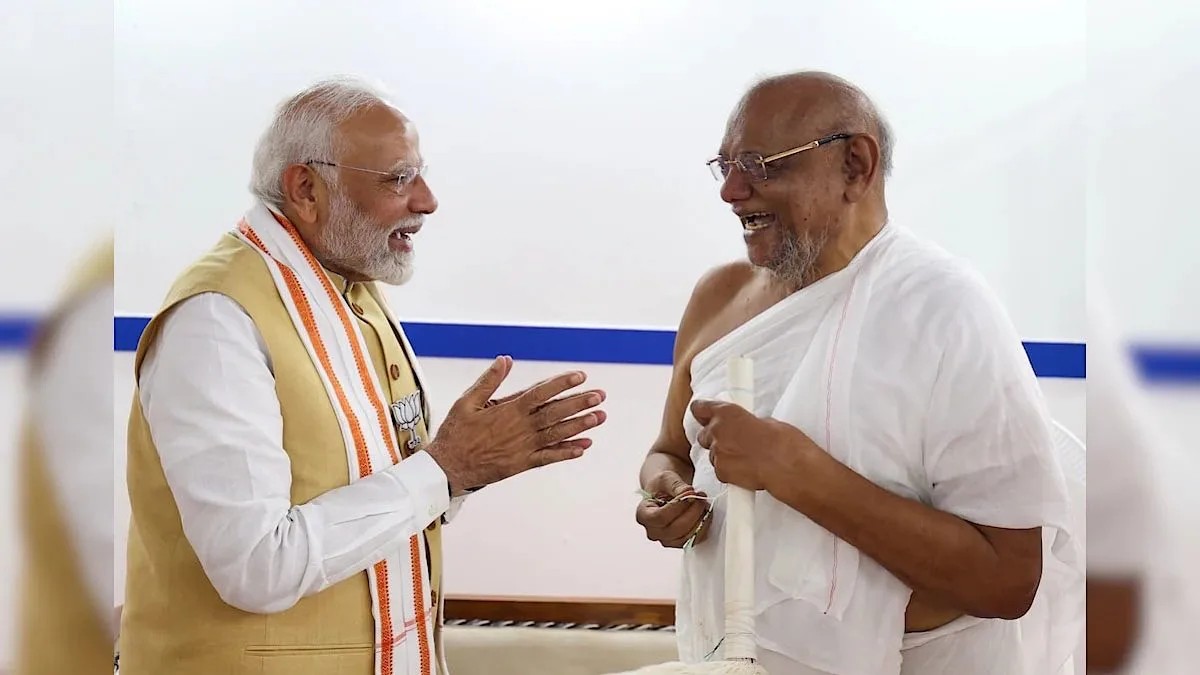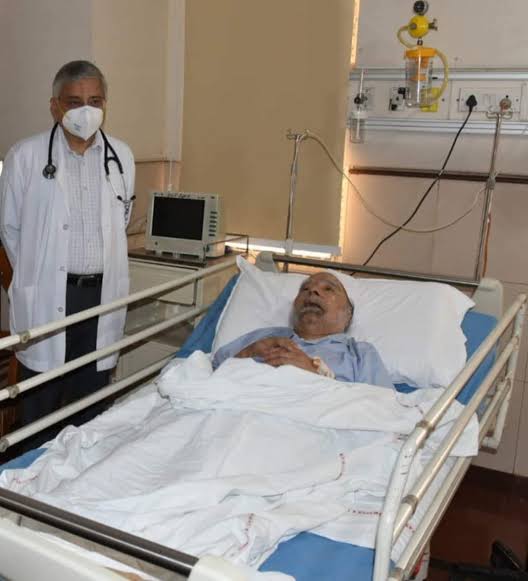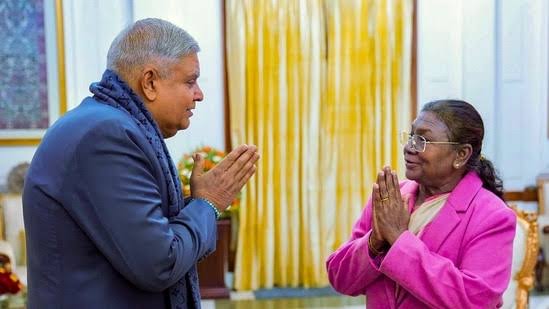
Vice President Jagdeep Dhankhar’s sudden resignation has stirred political circles across the country. On July 21, 2025, Dhankhar stepped down from the second-highest constitutional post in India, citing medical reasons. This unexpected move has now triggered intense speculation over who will take over as the next Vice President of India.
What the Constitution Says
According to Article 66 of the Indian Constitution, a Vice President is elected by an electoral college comprising members of both houses of Parliament. The law mandates that the election must be conducted “as soon as possible” after a vacancy.
 Top Contenders for Vice President of India
Although no official announcement has been made, several political names are being discussed. Here’s a closer look at the top contenders.
Nitish Kumar: The Veteran Strategist
Nitish Kumar, 74, the seasoned Chief Minister of Bihar, is reportedly being considered. Though his name might seem unexpected, some NDA allies, including Upendra Kushwaha, have encouraged Kumar to step down from active state politics. Kumar has been one of the longest-serving chief ministers in India, and the Vice President role might serve as a dignified transition for him.
Union Minister Chirag Paswan’s intent to contest in Bihar further supports the theory of Kumar’s potential exit from the CM post. A move to the Vice Presidency would allow him to maintain national relevance while opening the path for generational leadership in Bihar.
VK Saxena: Delhi’s Assertive Lieutenant Governor
VK Saxena, 67, has emerged as a powerful bureaucratic figure in Delhi. As the current Lieutenant Governor of Delhi, he has often clashed with the Aam Aadmi Party (AAP) government, especially on issues like administrative control, appointments, and the Delhi Jal Board.
These confrontations have raised Saxena’s profile in political circles. His corporate background, combined with his assertive governance style, makes him a serious contender for the Vice President post. A higher constitutional role could be the next logical step in his career.
Manoj Sinha: Steady Hand in Jammu and Kashmir
Manoj Sinha, 66, the current LG of Jammu and Kashmir, completes his five-year tenure on August 6, 2025. Sinha, a BJP veteran from Uttar Pradesh, brought administrative stability to the region post the abrogation of Article 370.
However, a recent terror attack in Pahalgam that claimed the lives of 25 tourists and a pony operator has somewhat marred his record. Despite this, Sinha’s experience in managing a sensitive union territory during a critical period strengthens his chances as a strong constitutional choice.
Why This Role Matters Now
The Vice President plays a crucial role in India’s democratic framework. They not only serve as the ex-officio Chairperson of the Rajya Sabha but also step in as Acting President when necessary. With national elections due in 2029 and political equations constantly evolving, this appointment carries strategic importance.
Political Implications
Choosing the next Vice President isn’t just a ceremonial decision. It’s a political signal. For instance:
- Naming Nitish Kumar could consolidate NDA’s Bihar strategy and smoothen alliance dynamics.
- Elevating VK Saxena might underscore BJP’s commitment to assertive central governance.
- Manoj Sinha’s appointment may be seen as rewarding administrative discipline and national integration efforts.
Each choice sends a different message to voters, allies, and opposition parties. The final decision will likely reflect broader electoral strategies for the 2026 state polls and beyond.
What to Expect Next
The Election Commission is expected to announce the Vice Presidential election schedule soon. If past timelines are any indication, the process could begin in early August. Once the electoral college (MPs from both houses) votes, results are usually declared within a day or two.
Conclusion
With Jagdeep Dhankhar’s exit, India is on the cusp of electing a new Vice President at a politically sensitive time. While Nitish Kumar, VK Saxena, and Manoj Sinha are among the leading names, surprises are always possible in Indian politics.
The coming days will reveal not just a successor, but a signal on the future direction of the Indian government’s political calculus.