
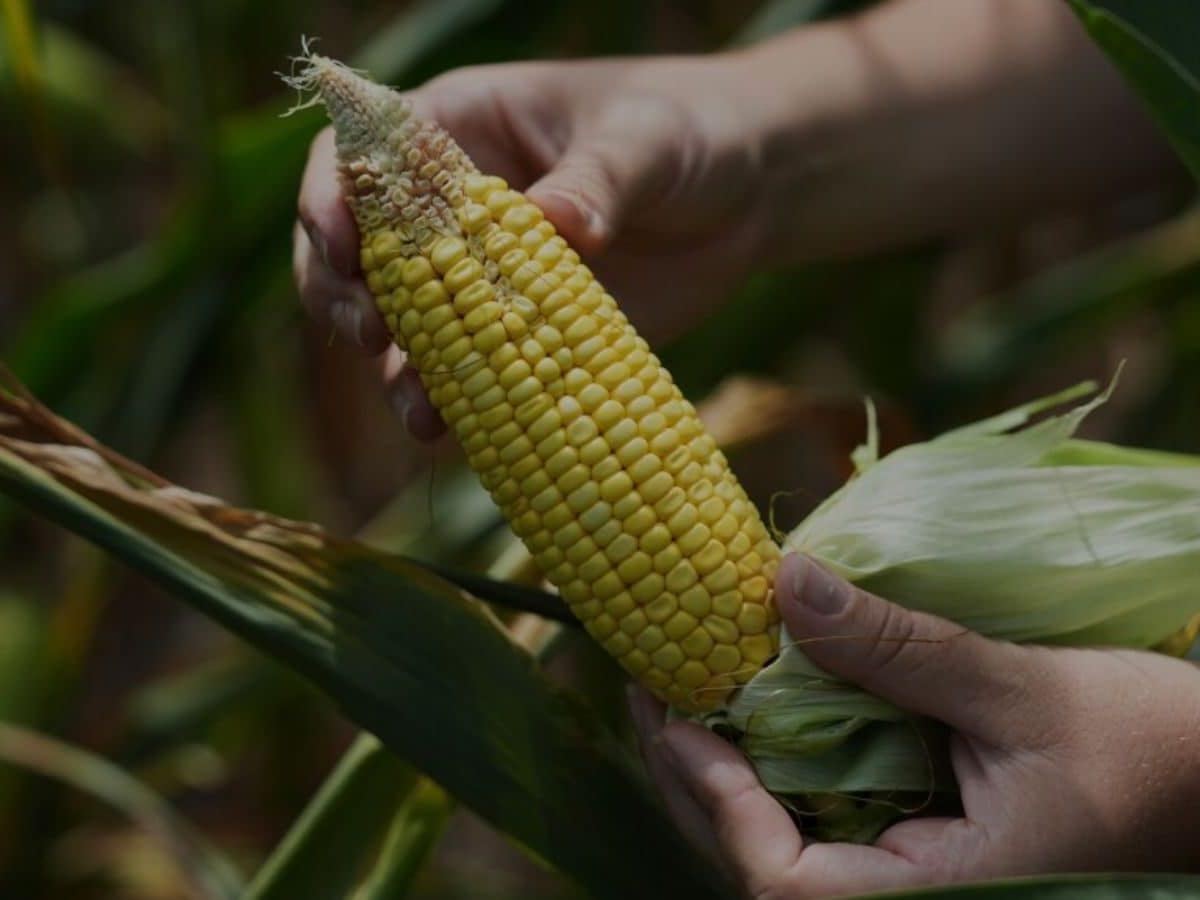
India’s Maize Landscape
Despite lower yields compared to the global average, India has historically remained self-sufficient in maize production. With annual output crossing 50 million tonnes, the country uses maize primarily for poultry feed, livestock, and increasingly for ethanol blending. Experts estimate that 10–12 million tonnes will go directly into ethanol production this year.
India did import around one million tonnes of maize in 2024–25, mainly from Myanmar and Ukraine, but none from the U.S. This represented a sharp increase compared to the previous year, largely to supplement ethanol demand.
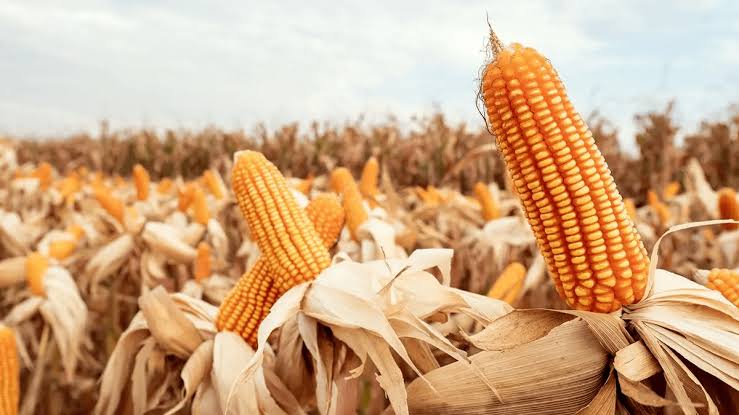

The U.S. has aggressively pushed India to accept its corn exports. Yet, most American corn is genetically modified, while India has approved only GM cotton for cultivation. Introducing GM corn could trigger food safety debates and political backlash, especially as opposition to GM brinjal and mustard remains unresolved.
Economically, U.S. corn is about 30% cheaper than Indian maize. Experts warn that large-scale imports could undercut domestic prices, hurting farmers in states like Bihar where maize cultivation has expanded rapidly.
The Ethanol Factor
India’s ethanol blending program is central to its energy and trade policy. By blending 20% ethanol in petrol, the government aims to save up to $10 billion annually on oil imports while supporting farmers through higher maize demand. Relying on imported corn for ethanol would dilute these benefits and undermine the goal of self-reliance.
U.S. Farming vs. Indian Farming
The contrast between Indian and American agriculture is stark. In India, farming remains a livelihood for millions, driven by small landholdings and food security needs. In the U.S., farming is highly mechanized, concentrated in large operations averaging 500 acres, and dominated by agribusiness corporations.
With overproduction of cash crops like corn and soybeans, the U.S. depends heavily on exports. The ethanol blending program in India is seen as a lucrative opportunity for U.S. corn exporters, especially as China has scaled back purchases of American soybeans amid trade tensions.
Political Sensitivities in India
Importing cheap U.S. corn could destabilize India’s growing maize ecosystem and create political challenges. Bihar, where maize farmers have gained ground, is heading into elections, making the issue even more sensitive for the ruling party.
Policy experts also recall Mexico’s experience under NAFTA, where U.S. corn imports displaced over a million farmers. India is keen to avoid a repeat scenario that could trigger rural distress.
Conclusion
For India, resisting U.S. corn imports is not just about trade. It is a strategic decision tied to farmer livelihoods, political stability, and energy security. As the ethanol program expands and domestic maize acreage grows, New Delhi appears determined to safeguard its agricultural ecosystem, even in the face of international pressure.