
US Push for Access
During recent trade discussions, US Commerce Secretary Howard Lutnick questioned India’s reluctance to allow large-scale imports of American corn. He pointed out India’s huge consumer base and rising protein consumption, asking why such a vast market remains closed to US producers.
In 2024-25, India imported nearly one million tonnes (mt) of corn. Of this, Myanmar supplied about 0.53 mt, while Ukraine accounted for 0.39 mt. By contrast, imports from the US stood at just 1,100 tonnes—an almost negligible share.
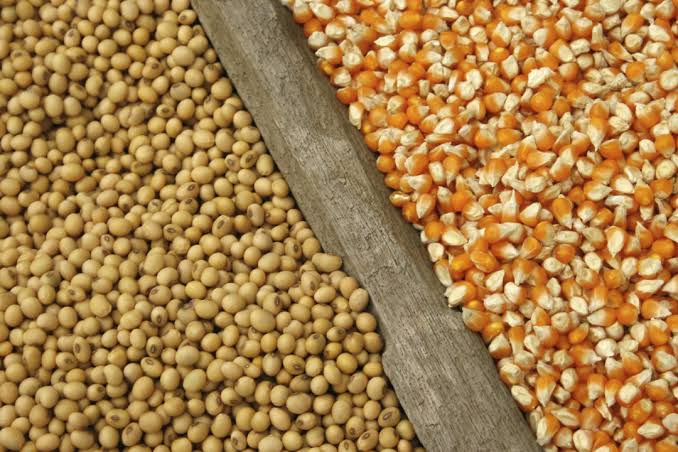

Several factors make it difficult for India to accept US corn. First, import tariffs remain high, with a basic customs duty of 50%. This makes American corn uncompetitive compared to imports from neighboring countries like Myanmar, which benefit from geographical proximity and lower transport costs.
Second, India has strong reservations about genetically modified organisms (GMOs). Most US corn is genetically modified, while India has not approved GM maize for commercial cultivation. This regulatory roadblock remains one of the biggest obstacles to US exports.
Domestic Politics and Farmer Interests
Beyond trade and regulatory issues, politics plays a central role. Bihar, India’s third-largest maize producer, is headed for assembly elections. Any move to reduce import tariffs or allow GM corn would risk backlash from farmers in the state, many of whom depend on maize as a major cash crop.
Protecting domestic producers has long been a priority for Indian policymakers. With farmer welfare becoming a politically sensitive issue, the likelihood of tariff cuts or GM approvals in the near future remains slim.
Rising Demand for Corn in India
India’s demand for maize is increasing steadily, driven by its use in poultry feed, starch industries, and ethanol production. While domestic production covers most of the demand, weather fluctuations and global price swings occasionally make imports necessary.
Even then, India has shown preference for sourcing corn from countries like Myanmar and Ukraine rather than turning to the US. This trend highlights New Delhi’s cautious stance toward both agricultural biotechnology and overreliance on distant suppliers.
Future Outlook
Trade experts note that India’s approach is unlikely to shift before the upcoming elections. Any change in policy would require balancing farmer concerns, consumer demand, and trade relations with the US. For now, India’s strategy appears to be one of caution: meeting domestic demand through regional suppliers while resisting pressure to open its markets to GM corn.
Whether India eventually loosens restrictions may depend on longer-term food security strategies and global trade negotiations. But for now, Myanmar and Ukraine will continue to dominate India’s corn import basket.