
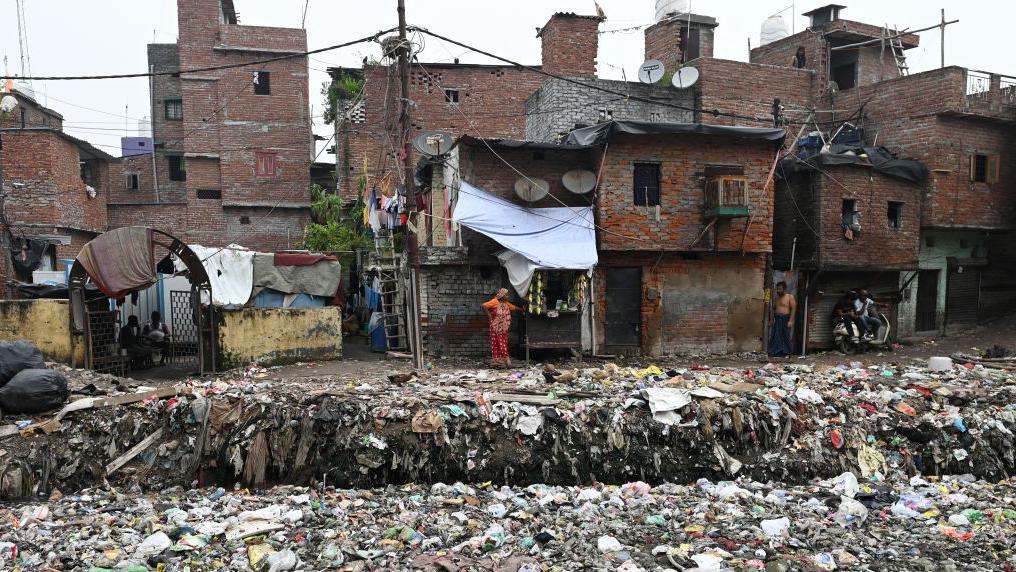

Cities like Jaipur, admired globally for their historic architecture, now struggle with poor maintenance and unchecked commercial encroachment. Centuries-old structures are often stained, damaged and squeezed between workshops and congested roads.
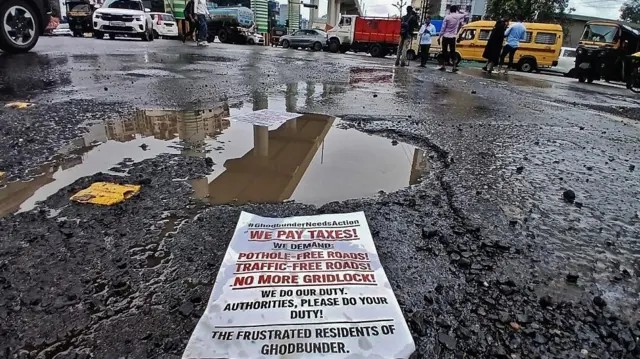
Similar scenes play out across metropolitan India. Mumbai’s monsoon floods expose clogged drainage systems, while pothole-ridden roads disrupt daily life. Bengaluru, India’s technology hub, has seen widespread public anger over deteriorating infrastructure and garbage management.
Growth Without Urban Renewal
India’s economic expansion has largely been driven by state-funded infrastructure projects. Airports, expressways and metro rail networks have transformed connectivity, but city-level services such as waste management, sewage, housing and road maintenance remain neglected.
This disconnect explains why Indian cities consistently rank low on global liveability indexes, even as GDP figures climb. Experts argue that growth without strong local governance only magnifies existing urban stress.
Governance at the Core of the Crisis
Urban policy specialists point to a structural flaw in India’s governance framework. While the Constitution empowers central and state governments, it never fully anticipated the rise of mega-cities with populations rivaling entire nations.
Although the 74th Constitutional Amendment aimed to strengthen urban local bodies, many of its provisions remain poorly implemented. Municipal governments often lack real authority, financial independence and decision-making power.
Why China’s Model Looks Different
Comparisons with China highlight India’s urban governance gap. Chinese city mayors wield significant executive authority over planning, infrastructure and investment approvals, backed by clear performance incentives.
In contrast, Indian mayors remain largely ceremonial figures. Real power often rests with state governments, turning chief ministers into de facto “super mayors” while local bodies struggle to deliver basic services.
Data Gaps and Democratic Deficit
India’s last official census was conducted over 15 years ago, when only 30% of the population was classified as urban. Today, nearly half the country is believed to live in urban or semi-urban areas.
Without accurate and updated data, policymakers struggle to plan housing, transport and sanitation systems. Experts warn that this data vacuum reflects a deeper weakening of grassroots democracy and accountability.
Lessons From the Past
Urban historians note that transformative change often follows crisis. London’s infamous “Great Stink” of 1858 forced sweeping sewage reforms that reshaped the city’s future.
India, experts say, may be approaching a similar moment of reckoning. As pollution, flooding and congestion worsen, urban distress could finally become a decisive political issue.
The Road Ahead
For India’s cities to become liveable again, experts argue that real power must shift to empowered municipal governments with financial autonomy and accountability. Infrastructure alone will not fix cities without governance reform.
Until then, India’s urban residents are likely to remain caught between gleaming national projects and crumbling local realities.