

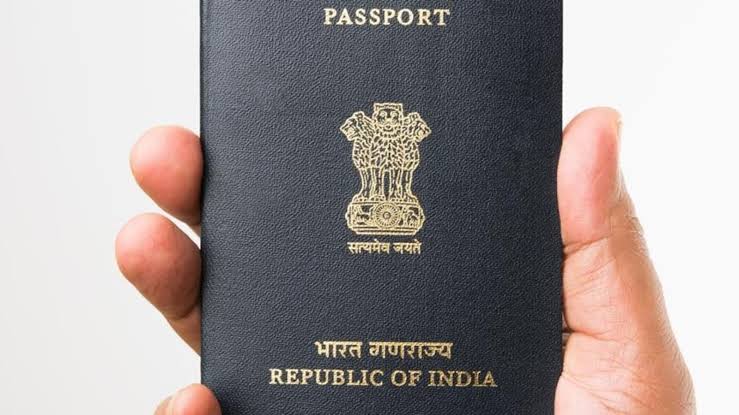

Ahuja pointed out that between 2011 and 2019, an average of around 1.3 lakh Indians renounced their citizenship every year. In recent years, this figure has jumped sharply to nearly 2.2 lakh annually, reflecting changing aspirations and frustrations among professionals and students alike.
While migration has long been part of India’s global footprint, the recent surge suggests deeper structural issues rather than temporary trends. Many see this not just as a search for higher pay, but as a pursuit of stability, fairness, and long-term security.
Inequality at the Core
One of the central reasons highlighted is income inequality. Ahuja argued that although India is among the fastest-growing major economies, the distribution of wealth remains heavily skewed. When the top five percent of earners are excluded, India’s average per capita income drops dramatically.
This disparity leads many middle-class and upper-middle-class Indians to believe that their chances of upward mobility are better abroad. For them, economic growth numbers do not necessarily translate into improved living standards or social security.
Education and Overseas Careers
Education continues to be a major trigger for long-term migration. Many Indians leave the country for higher studies and then transition into overseas jobs. After completing the required years of residence, several choose to acquire foreign citizenship.
Ahuja cited estimates suggesting that about one-third of graduates from premier institutions such as the IITs eventually migrate abroad. He also noted that nearly 7,500 Indian doctors are working overseas, while a significant majority of professors prefer international academic positions.
Quality of Life Matters
Beyond income and careers, quality-of-life factors play a critical role. Clean air, access to safe drinking water, efficient public services, and predictable governance are frequently cited reasons for settling abroad.
Many professionals compare international living standards with what they describe as “global costs but broken infrastructure” at home. These everyday challenges often influence long-term decisions more than salary figures alone.
Where Are Indians Going?
The most common destinations for Indians renouncing citizenship include the United States, Canada, Australia, the United Kingdom, and Germany. However, Ahuja noted that immigration policies in some of these countries have become more restrictive in recent years.
As a result, newer destinations such as the UAE, Saudi Arabia, Finland, Japan, New Zealand, Italy, and Australia are emerging as attractive options, particularly for skilled professionals.
Skills in Demand
According to Ahuja, the most viable career paths for Indians seeking overseas employment are technology and medicine. These fields continue to see strong global demand and relatively smoother immigration pathways.
In contrast, he cautioned that commerce and liberal arts graduates may find it harder to secure stable long-term opportunities abroad due to limited demand and visa constraints.