 AI Infrastructure and Cost Burden
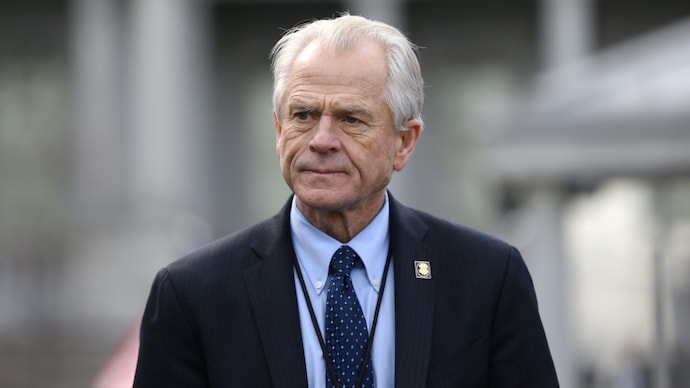
During the interview, Navarro questioned why US consumers should shoulder the burden of AI services used abroad. He cited examples of large AI platforms running data centres in the United States, drawing on American electricity, water, and land while providing services to users in India, China, and other countries.
According to Navarro, this arrangement places hidden costs on American households. “Why are Americans paying for AI in India?” he asked, suggesting that domestic infrastructure is being stretched to support global demand. He also highlighted environmental pressures, pointing to water usage and land constraints linked to expanding data centres.
Inflation Concerns Take Centre Stage
Beyond technology costs, Navarro linked foreign economic activity in the US to rising inflation risks. He warned that overseas entities buying land and operating large facilities could indirectly drive up prices for Americans.
One area of concern raised was farmland acquisition. Navarro claimed that foreign buyers are paying significantly higher prices for agricultural land, a trend that could push food prices upward. “If we are serious about fighting food inflation, we need to understand what’s happening with land purchases,” he said.
Data from the US Bureau of Labor Statistics shows consumer price inflation at 2.7% for the 12-month period ending December 2025, unchanged from November. While inflation has eased from earlier highs, policymakers remain wary of new upward pressures.
India in the Crosshairs Again
Navarro’s remarks also revived his long-standing criticism of India’s trade policies. He reiterated his view that India maintains some of the highest tariff barriers against American goods, complicating bilateral trade negotiations.
In previous statements, Navarro described India as the “Maharajah of tariffs” and warned that New Delhi would eventually have to adjust its stance. His comments come amid reports of steep US tariffs on Indian imports and delays in finalising a bilateral trade agreement between the two countries.
Indian officials have consistently defended the country’s tariff structure, arguing that it reflects developmental needs and aligns with World Trade Organization norms. The Ministry of Commerce has previously emphasised that trade talks must be balanced and mutually beneficial.
Technology, Trade and Geopolitics
The controversy underscores a broader debate about the globalisation of technology. While AI companies benefit from operating at scale, critics like Navarro argue that the costs and benefits are unevenly distributed.
For India, access to advanced AI tools has supported growth in sectors such as IT services, healthcare, and education. At the same time, US policymakers are increasingly questioning whether domestic taxpayers should subsidise infrastructure that fuels global digital expansion.
Experts note that AI services typically operate on commercial pricing models, with international clients paying for access. However, indirect costs such as energy subsidies and infrastructure investments remain politically sensitive.
What Lies Ahead
Navarro’s statements are unlikely to ease tensions between Washington and New Delhi. With trade negotiations ongoing and geopolitical alignments shifting, technology has emerged as a new flashpoint in bilateral relations.
As AI becomes more central to economic growth, governments on both sides will face tough questions about regulation, pricing, and responsibility. Whether Navarro’s claims translate into concrete policy changes remains to be seen.
For now, the debate highlights how deeply intertwined global technology, national resources, and domestic inflation concerns have become in an increasingly connected world.