 Major Milestones Achieved in Industrial City Development
The 12 industrial cities, approved in 2024, are at different stages of development but have already crossed several critical implementation milestones. According to official data shared in Parliament, SPVs responsible for executing these projects have been incorporated for all 12 cities, ensuring institutional mechanisms are in place to oversee planning, funding, and execution.
Financial progress has also been steady, with equity funds released for nine of the 12 projects. Programme Managers for New Cities have been appointed in nine projects to ensure coordination among stakeholders and maintain implementation timelines.
Infrastructure execution has advanced considerably, with EPC contractors appointed for nine industrial cities. For another project, contractor evaluation has been completed and the final selection process concluded. These contractors will oversee construction of essential internal infrastructure such as roads, water supply systems, sewerage networks, and power distribution facilities.
Environmental approvals often a critical hurdle in large infrastructure projects have been secured for 11 out of the 12 industrial cities. Additionally, foundation stones have already been laid for two major projects, marking the beginning of on-ground construction.
Strategic Locations Across India
The new greenfield industrial cities are strategically distributed across different regions to promote balanced industrial growth. These include Integrated Manufacturing Clusters in Khurpia, Rajpura-Patiala, Hisar, Agra, Prayagraj, and Gaya, along with major industrial areas in Dighi Port, Palakkad, Jodhpur-Pali-Marwar, Orvakal, Kopparthy, and Zaheerabad.
The internal infrastructure of these industrial cities is being complemented by comprehensive external connectivity planning. Bulk water supply, telecom connectivity, road access, and power infrastructure are being coordinated with state governments and integrated through the PM GatiShakti National Master Plan portal. This approach ensures seamless connectivity between industrial zones, logistics networks, and markets.
Strong Track Record of Existing Industrial Cities
India’s earlier industrial city projects have demonstrated strong investor confidence and industrial activity. Four operational industrial cities—Dholera Special Investment Region, Shendra Bidkin Industrial Area, Integrated Industrial Township at Greater Noida, and Integrated Industrial Township at Vikram Udyogpuri—have collectively attracted 434 domestic and global companies.
These companies have been allotted over 4,600 acres of industrial land. Major firms include global manufacturers and Indian industrial leaders in sectors such as chemicals, automobiles, renewable energy, and advanced manufacturing. The success of these operational industrial cities has strengthened investor confidence in India’s industrial corridor development model.
Integrated Industrial Townships with Housing and Social Infrastructure
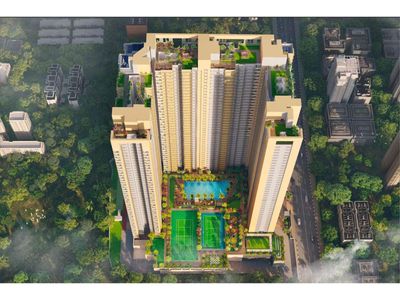
A key feature of the new industrial cities is the integration of housing and social infrastructure alongside industrial facilities. Comprehensive development plans include residential housing, healthcare facilities, schools, commercial spaces, and civic amenities to ensure a high quality of life for workers and residents.
Officials have earmarked between 20 percent and 30 percent of the total project area for non-industrial uses, including residential and institutional development. This approach is designed to promote the “walk-to-work” concept, reduce commuting times, and improve urban sustainability.
SPVs are also exploring models to provide affordable housing options for workers, which is expected to enhance workforce stability and attract skilled labour to emerging industrial hubs.
Boost to Manufacturing, Jobs, and Economic Growth
The development of greenfield industrial cities is part of India’s broader strategy to boost manufacturing competitiveness, reduce logistics costs, and attract global supply chains. These projects are expected to generate thousands of direct and indirect jobs across construction, manufacturing, services, and logistics sectors.
Industrial corridors and integrated manufacturing clusters play a critical role in strengthening India’s position as a global manufacturing destination. By combining infrastructure, logistics connectivity, and social infrastructure, these industrial cities aim to create self-sustaining industrial ecosystems.
The government has stated that investor commitments for the new industrial cities will be pursued once infrastructure development reaches advanced stages. Early progress in planning, approvals, and construction is expected to accelerate industrial investments in the coming years.
With SPVs operational, EPC contractors engaged, and environmental clearances secured, India’s greenfield industrial city programme has moved decisively from planning to execution, marking a major step forward in the country’s industrial transformation.