
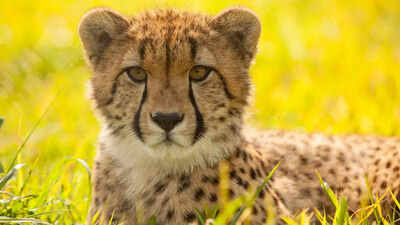
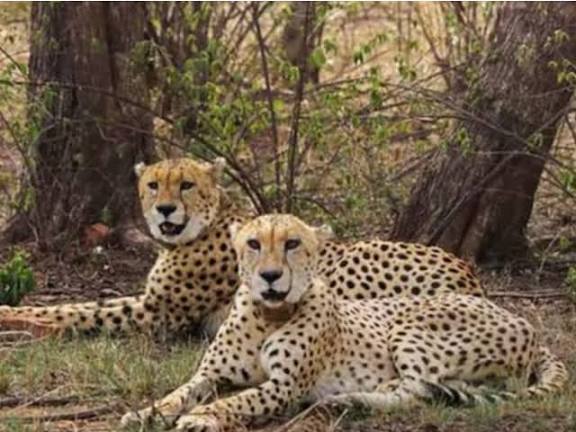

The deceased cheetah was part of Jwala’s litter that had been released into the wild on February 21, 2025. Her death is a setback for conservationists, especially as Project Cheetah is set to complete three years this week. The project, launched with cheetahs imported from Namibia and South Africa, aims to restore ecological balance and biodiversity in India’s grasslands.
Population at Kuno Remains Stable
Despite this incident, officials have reassured that the overall cheetah population at Kuno remains stable. “Kuno now has 25 cheetahs — nine adults, including six females and three males, and 16 India-born individuals. All are healthy and doing well,” said project field director Uttam Sharma.
The cheetah reintroduction programme has been under global spotlight, both for its success in breeding and the challenges of adaptation in a new environment. Wildlife experts note that natural competition with predators like leopards and hyenas was always expected as part of the project’s ecological risks.
A Conservation Milestone With Challenges
India became the first country in Asia to reintroduce cheetahs when the first batch arrived from Namibia in September 2022. The animals were released into the semi-arid habitat of Kuno National Park, chosen for its vast grasslands and prey availability. Since then, the project has witnessed natural births, demonstrating progress in acclimatisation.
However, the project has also seen setbacks, with some cheetah deaths attributed to illness, adaptation stress, and now interspecies conflict. Officials stress that such losses, though tragic, are part of natural processes as cheetahs establish territories in the wild.
Experts argue that while the leopard encounter underscores the risks, it also highlights the reality of coexistence in India’s crowded wildlife habitats. Continuous monitoring and adaptive management, they say, will be key to ensuring the long-term survival of cheetahs in India.