In a major leap toward early childhood care and nutrition, the Government of India has successfully upgraded more than 57,000 Anganwadi Centres into Saksham Anganwadi Centres as of July 21, 2025. This is part of the larger Mission Saksham Anganwadi and Poshan 2.0, aiming to modernize and strengthen the country’s Integrated Child Development Services (ICDS).
What Are Saksham Anganwadi Centres?
Saksham Anganwadi Centres are smart, child-friendly, and tech-enabled community centres designed for holistic development of children under the age of six. These upgraded centres provide improved infrastructure, digital tools, and better nutrition services to young children and their mothers.
The initiative is transforming the way early childhood care and learning is delivered in India. It’s a significant step toward building a Viksit Bharat @2047.
 Scope of the Mission
According to the Ministry of Women and Child Development, India has 13.98 lakh operational Anganwadi Centres. Of these, around 3.57 lakh function out of rented premises. Under the 15th Finance Commission recommendations, the government has approved the upgradation of 2 lakh selected AWCs into Saksham centres by 2026. The annual target is 40,000 centres.
The upgraded centres include enhanced amenities like:
- Internet/Wi-Fi connectivity
- LED screens and audio-visual smart learning aids
- Water purifiers or RO machines
- Child-friendly furniture and learning materials
- Artworks, educational paintings, and practice boards
- Information boards for parents and caregivers
Why This Transformation Matters
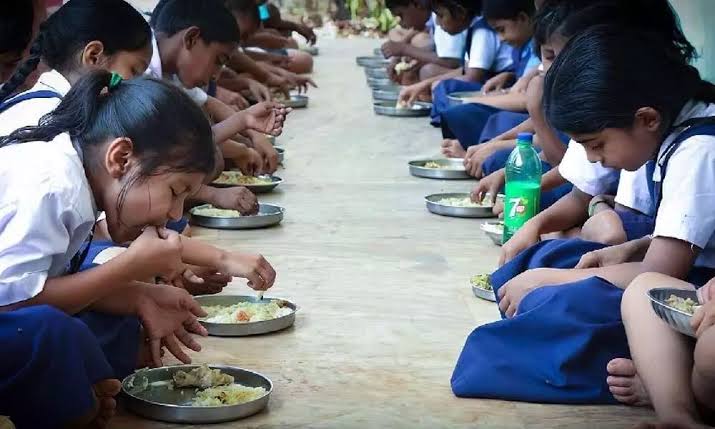
India’s Anganwadi system is a lifeline for millions of children and women. It provides essential services like supplementary nutrition, immunization, preschool education, and health checkups.
Upgrading these centres into Saksham Anganwadi Centres means children receive better learning experiences. It also means mothers get improved care, nutrition guidance, and support. Most importantly, it ensures that the foundation of a child’s physical and intellectual development is strong.
Monitoring and Implementation
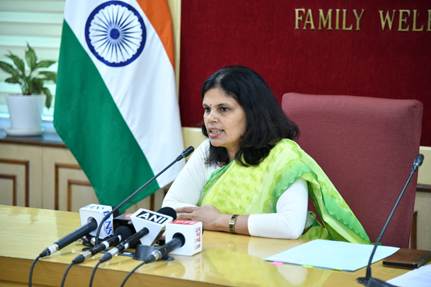
The Central Government is responsible for overall policy and planning. Meanwhile, the State Governments handle implementation, staff deployment, and on-ground execution. The scheme is centrally sponsored and regularly reviewed through video conferencing and physical meetings between the Centre and the States/UTs.
As of now, 57,897 Anganwadi Centres have already been transformed into Saksham Centres. This achievement signals that the programme is moving steadily toward its target.
Improved Early Childhood Education
At the heart of Saksham Centres is the focus on Early Childhood Care and Education (ECCE). Children in their formative years learn faster and deeper when they are exposed to the right environment.
Through interactive aids, smart visuals, and creative learning, these centres help stimulate cognitive, social, and emotional growth in children. It aligns with the National Education Policy 2020 that emphasizes strong foundational literacy and numeracy.
Real Impact: From Infrastructure to Inclusion
Take, for example, the Saksham Centre in a tribal district of Odisha. With its new digital screen and painted walls filled with alphabets and animals, children now show greater interest in learning. Teachers report increased attendance, and parents feel more engaged in their child’s development.
In another case, a rural Anganwadi in Uttar Pradesh saw better health outcomes for infants after receiving RO-filtered drinking water and nutrition counselling support.
These stories reflect how infrastructure upgrades directly impact lives on the ground.
What Lies Ahead?
With 2 lakh centres approved for transformation, the government is focused on completing upgrades by 2026. The Ministry continues to encourage state governments to speed up implementation. Focus is also on hiring skilled staff, improving training, and strengthening supply chains for nutritional supplements.