Epicentre and Impact
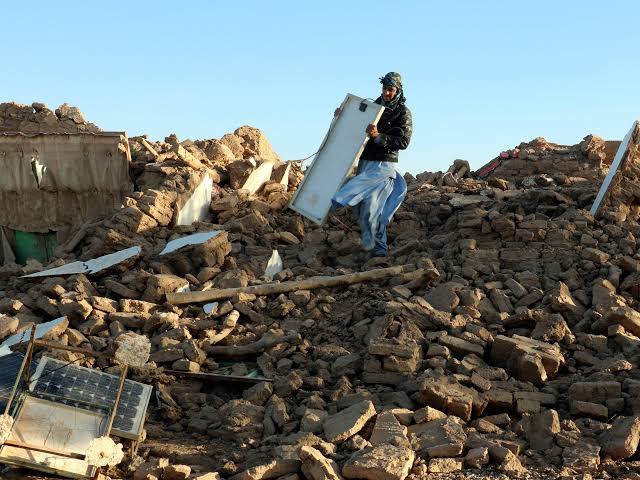
The tremor struck at 11:47pm local time in Nangarhar and Kunar provinces, with a shallow depth of just 8km. Experts note that shallow quakes often cause more damage as seismic waves reach the surface faster. Jalalabad, a key trading city 150km east of Kabul, was among the worst-affected areas. Many low-rise homes made of mud bricks and wood collapsed under the impact.
Multiple aftershocks, including one measuring 4.5, shook the region shortly after the initial quake. Residents reported panic as buildings cracked and debris filled the streets.
 Casualties and Rescue Operations
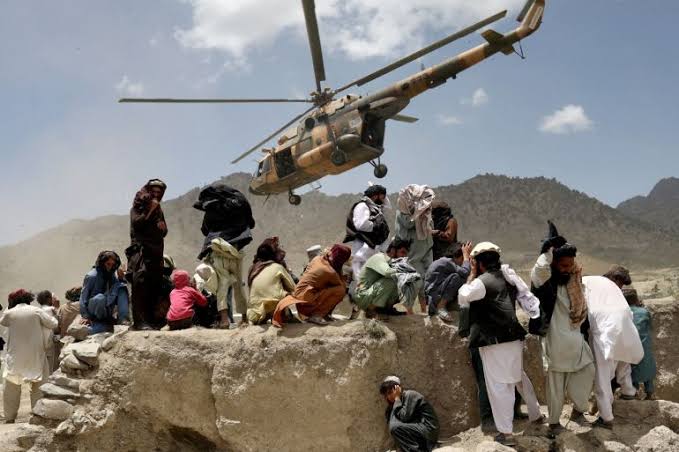
Afghan government spokesman Mawlawi Zabihullah Mujahid said the death toll has reached 812, warning that numbers could rise further. More than 3,000 people have been injured, many critically. Helicopters have evacuated at least 335 patients to Nangarhar Regional Hospital.
The Ministry of Defence has sent 30 doctors and 800kg of medicines to Kunar province. However, destroyed bridges and blocked roads have slowed relief efforts, making it difficult to reach those trapped under rubble in rural villages.
International Response
United Nations Secretary-General António Guterres expressed solidarity, stating the UN team in Afghanistan is mobilized to support relief. Iran has also pledged to send humanitarian aid, including medical teams and supplies.
Despite international pledges, aid delivery remains complicated due to poor infrastructure and severe weather conditions.
Floods and Terrain Hamper Aid
Heavy rains in Nangarhar over the weekend triggered flash floods, further isolating quake-hit communities. Roads covered with rocks and mudslides have prevented emergency teams from reaching remote villages. Experts warn of increased risks of landslides and rock avalanches due to unstable terrain.
“The interaction of seismic and hydrological hazards has made this disaster especially severe,” said Abdullah Ansari, a geologist at Sultan Qaboos University. He stressed the need for multi-hazard preparedness to protect vulnerable regions like Afghanistan.
Afghanistan’s Earthquake Vulnerability
Afghanistan lies at the convergence of the Indian and Eurasian tectonic plates, making it one of the most earthquake-prone regions in Asia. The Hindu Kush, Herat, Chaman, and Kunar fault lines have historically produced devastating tremors.
Recent seismic activity in August included two tremors above magnitude 5 in the Hindu Kush region. In 2023, a magnitude 6.3 quake in Herat killed more than 2,000 people, while a June 2022 quake in Paktika left 1,000 dead.
Current Situation
The main highway from Jalalabad to Kunar has reopened, but many inner roads remain blocked. First responders are clearing rubble, while survivors wait for food, water, and medical supplies. Officials fear the death toll may climb as rescuers reach previously inaccessible areas.