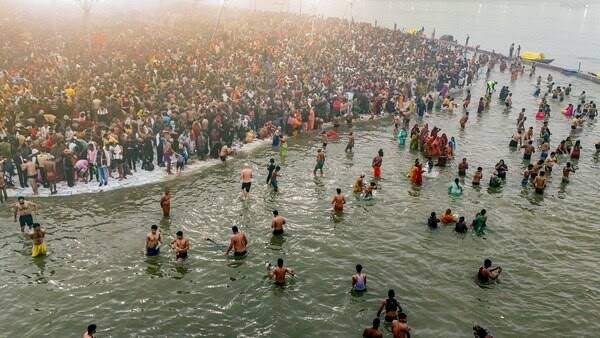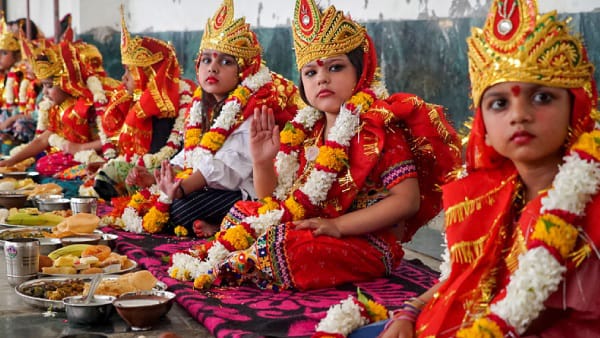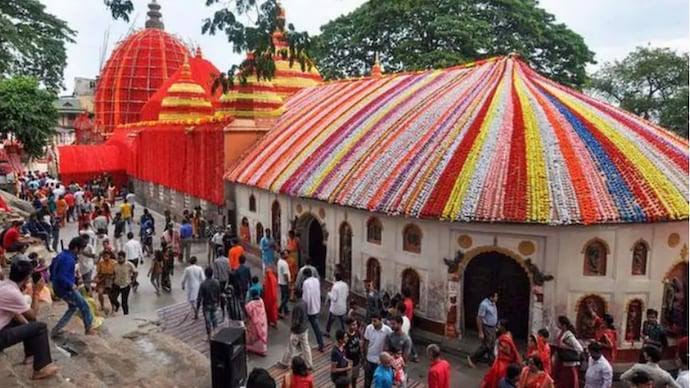
What is Ambubachi Mela?
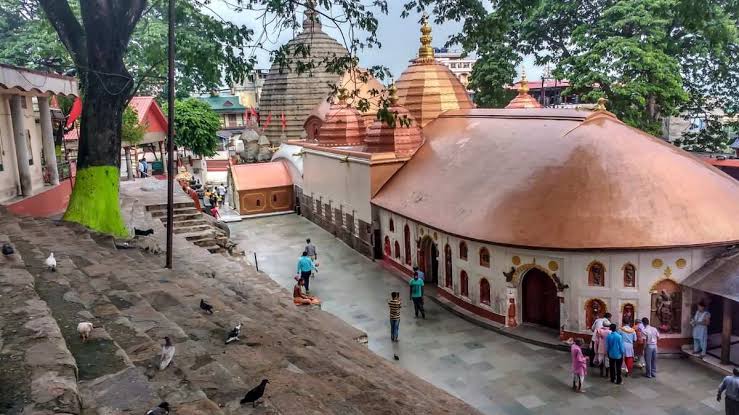 Why Is the Temple Closed During the Mela?
The festival spans four days in June, coinciding with the monsoon. Devotees believe this is the time when the Earth becomes fertile, mirroring the goddess’s menstrual cycle. Therefore, the temple is closed for three days to allow the goddess to rest, just as women traditionally rest during their periods in many Indian cultures.
This year, the temple remains closed from June 22 to 25 and reopens on June 26 for the grand darshan. On the final day, when the sanctum reopens, devotees rush to seek blessings and holy prasad from the rejuvenated goddess.
Historical and Cultural Significance
The Kamakhya Temple is one of the 51 Shakti Peethas in India. It is believed to be the site where the yoni (womb) of Goddess Sati fell, making it a highly sacred place for Tantric worship.
The Ambubachi Mela is not just a religious gathering. It also reinforces social messages — embracing menstruation as a natural and powerful part of womanhood and divinity, rather than taboo.
Modern Infrastructure and Pilgrim Support
To manage the heavy influx of pilgrims, the Assam government provides facilities such as free lodging, sanitation, food, and healthcare. Various Tantrik sadhus and aghoris also gather, offering spiritual discourses and blessings, drawing curious tourists alongside faithful devotees.
The Guwahati Police has deployed additional forces to manage the crowd and ensure safety during this four-day festival.
Why You Should Visit
If you seek an experience combining faith, culture, and ancient traditions, Ambubachi Mela is unmissable. It offers a rare insight into India’s feminine spiritual power and the acceptance of cycles of life and nature in worship.
Conclusion
The Ambubachi Mela stands as a testament to India’s deep-rooted traditions and evolving cultural narratives. As lakhs come together in devotion, it reaffirms the celebration of life, fertility, and feminine power through divine respect.