 Scrutiny Conducted Across 121 Assembly Constituencies
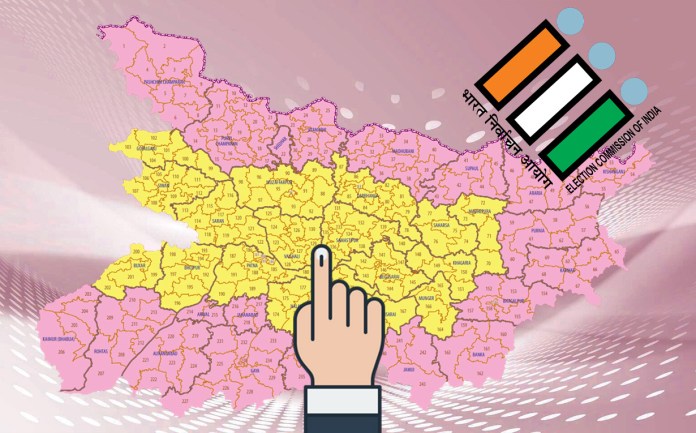
The ECI confirmed that scrutiny was completed smoothly in all 121 Assembly Constituencies (ACs) that went to polls in Phase-I. The process was overseen by 121 Returning Officers (ROs) and an equal number of General Observers (GOs), appointed specifically to ensure fairness and accuracy in post-poll documentation.
Approximately 455 candidates or their authorized agents participated in the verification exercise, which included detailed examination of voter registers (Form 17A) and related poll-day records. All candidates were duly notified about the time and venue of scrutiny in advance, adhering to ECI’s commitment to transparency and equal participation.
Zero Discrepancies, Full Compliance Recorded
According to official reports, no discrepancies, procedural lapses, or malpractices were detected during the scrutiny. As a result, the Commission did not recommend re-polls in any of the polling stations covered under Phase-I.
“The meticulous scrutiny reinforces the credibility of the electoral process and ensures that each vote cast is counted in accordance with the law,” an ECI spokesperson said. The entire scrutiny procedure was video-recorded for accountability, and all documents were re-sealed with the Returning Officers’ official seals post-verification.
Transparency and Accountability at the Core
The ECI emphasized that its updated guidelines on post-poll scrutiny were designed to detect even subtle irregularities at the polling station level. These measures form part of the Commission’s broader mission to uphold transparency, enhance voter trust, and strengthen institutional accountability.
The consolidation of Form 17A and related polling data allows for efficient cross-verification, reducing the risk of human error or procedural oversight. Such initiatives, according to ECI officials, are instrumental in maintaining India’s reputation for conducting large-scale democratic elections with precision and fairness.
Strengthening the Democratic Process
The Commission’s decision not to recommend re-polls demonstrates confidence in the robustness of the polling process during the first phase. It also highlights the professionalism of election officers and the growing maturity of India’s electoral framework.
Observers noted that the seamless scrutiny reflects improved election management practices, especially under the latest ECI protocols designed to ensure transparency and quick redressal of electoral complaints.
Phase-II of the Bihar Assembly Elections is expected to witness similarly rigorous oversight, with officials ensuring that every constituency maintains the same level of integrity and procedural compliance.