BJP and JD(U) Likely to Contest 100–105 Seats Each
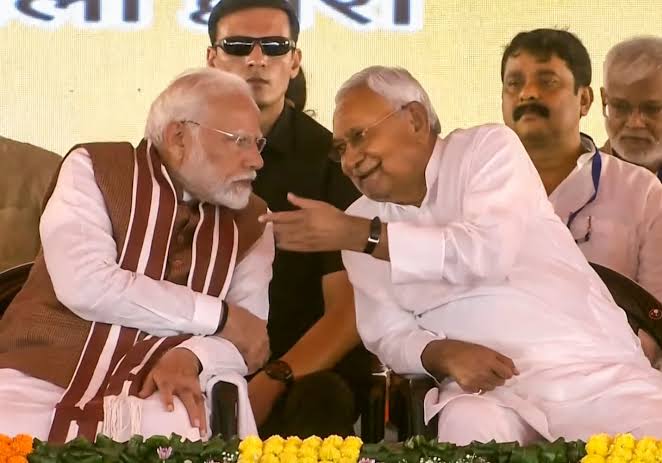
Out of the 243 Assembly constituencies, both BJP and JD(U) are expected to settle for between 100 and 105 seats each. The discussions mark a significant departure from the 2020 elections, when JD(U) contested 115 and BJP 110. Despite BJP’s stronger performance last time, the JD(U) has insisted on parity this year, citing Chief Minister Nitish Kumar’s leadership and his enduring voter base among Extremely Backward Classes (EBCs).
 LJP (RV) May Have to Settle for 20 Seats
Chirag Paswan’s Lok Janshakti Party (Ram Vilas) [LJP (RV)], which has been demanding 40 seats, is unlikely to get its way. Senior BJP leaders have indicated that 20 is a “realistic figure,” given the need to accommodate smaller allies like Jitan Ram Manjhi’s Hindustan Awam Morcha (Secular) and Upendra Kushwaha’s Rashtriya Lok Morcha (RLM). The LJP’s strong showing in the 2024 Lok Sabha elections, where it won all five seats it contested, has strengthened its bargaining position, but state-level dynamics remain different.
Allies and Possible Surprise Entrants
The NDA is also weighing the role of potential entrants such as Mukesh Sahani’s Vikassheel Insaan Party (VIP), currently aligned with the RJD-Congress Mahagathbandhan. If VIP crosses over, the balance of seat-sharing could shift further. For now, Manjhi and Kushwaha’s parties are set to get smaller shares, continuing their traditional role as vote consolidators for the alliance.
Lessons from 2020
In the 2020 Assembly elections, the NDA faced internal challenges when the undivided LJP contested 135 seats on its own, damaging JD(U)’s prospects. In at least 27 constituencies, LJP candidates pulled enough votes to ensure JD(U)’s defeat. This history has made BJP and JD(U) cautious about accommodating Chirag Paswan’s demands without risking similar setbacks.
LJP’s Ambitions and NDA’s Balancing Act
Despite winning just one seat in 2020, the LJP remains ambitious, positioning itself as a long-term player with an eye on securing 15% of Bihar’s votes. Chirag Paswan has also intensified criticism of Nitish Kumar’s governance to exert pressure during talks. However, JD(U) leaders dismiss the pressure tactics, arguing that Assembly polls are decided by local grassroots strength rather than national factors.
As the NDA edges closer to a final formula, the alliance’s challenge will be balancing ambition with pragmatism—ensuring enough space for smaller allies while keeping BJP and JD(U) in sync. With elections just months away, the seat-sharing deal could shape the NDA’s electoral fortunes in Bihar.