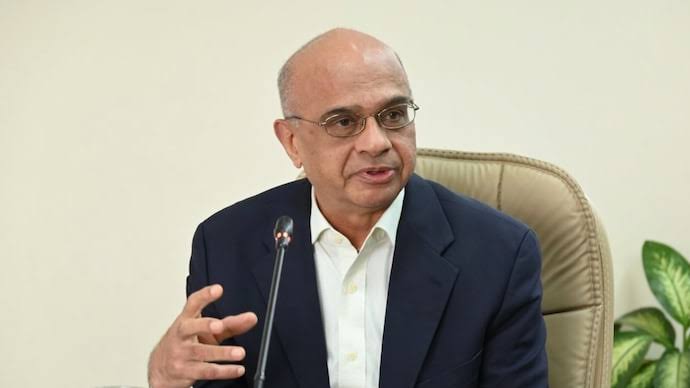
India’s unexpected ceasefire agreement with Pakistan has drawn sharp criticism from leading geostrategist Brahma Chellaney, who expressed deep concern over what he described as yet another missed strategic opportunity. The ceasefire, which came after two days of intense military exchange and a palpable sense of impending war, has left many surprised, especially given India’s apparent upper hand in the conflict.
Chellaney lamented that India has once again “snatched defeat from the jaws of victory,” echoing a sentiment of frustration shared by those who believe that New Delhi conceded too early. According to him, the military momentum had shifted decisively in India’s favour, particularly after the successful precision strikes that showcased the Indian Armed Forces’ technological and strategic edge. Despite Pakistan’s heavy drone and missile offensives, Chellaney noted that their air defence response was inadequate, while India’s limited but accurate retaliation had yielded strong tactical results.
Criticising the government’s decision to de-escalate, Chellaney remarked that such moves reflect a recurring theme in India’s strategic history—of withdrawing at the moment of advantage without ensuring long-term geopolitical or security gains. Drawing parallels with past events, he referenced the 1972 post-war negotiations, the 2021 disengagement from Kailash Heights, and more recently, the compromises made in buffer zones with China in eastern Ladakh.
He expressed particular dismay over the conclusion of Operation Sindoor, an emotionally charged military operation seen by many as symbolic retribution for the killing of 26 Indian soldiers in the Pahalgam terror attack. Chellaney said that calling off the operation despite Pakistan’s missile targeting Delhi undermined both the mission’s symbolism and strategic impact.
His remarks come as Foreign Secretary Vikram Misri confirmed that the ceasefire was a result of direct communication initiated by Pakistan. At around 3:30 pm on Saturday, the Director Generals of Military Operations from both sides agreed to halt all hostilities by 5:00 pm, covering land, air, and sea operations.
The timing of the truce, which closely followed alarming reports of Pakistani troop movements toward the border and heightened Indian military alert, only added to the confusion. Earlier in the day, the Indian government had warned of a possible escalation, with Pakistan’s Defence Minister issuing multiple statements hinting at war.
Chellaney’s warning serves as a sobering reminder of the complexities of military strategy and diplomacy, especially in a region as volatile as South Asia. His concerns reflect a broader anxiety about whether India, in its desire for regional stability, might be sacrificing crucial strategic ground.