

Why Brain Exercise Matters
According to neurologists, the brain thrives on stimulation. When people learn new skills, solve puzzles or engage in deep conversations, the brain forms new neural connections. These connections strengthen cognitive reserve, which helps delay age-related mental decline.
Modern lifestyles, however, often reduce the need for active thinking. GPS replaces memory for directions, digital reminders substitute recall, and constant scrolling reduces sustained attention. Over time, this may affect focus and mental stamina.
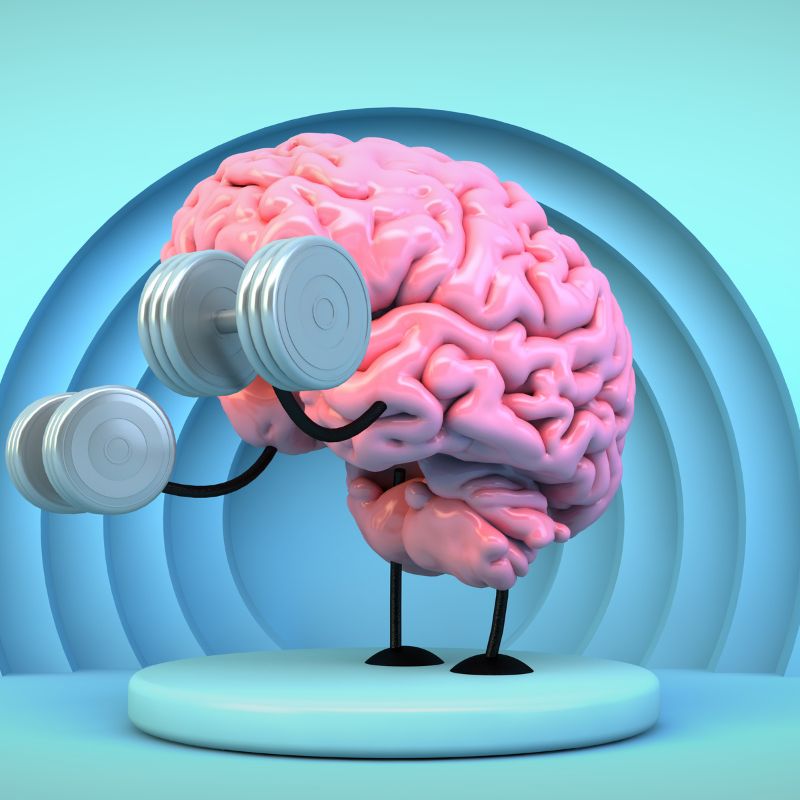
Experts say structured mental activity acts like strength training for the brain.
What Counts as Brain Exercise?
Brain exercise does not mean occasional crossword puzzles alone. Neurologists recommend engaging in activities that challenge different cognitive domains such as memory, reasoning, language and emotional regulation.
Solving Sudoku, learning a musical instrument, picking up a new language, reading complex material or practicing mindfulness are all effective methods. These activities stimulate multiple brain regions and improve overall cognitive flexibility.
The Multitasking Myth
Many people believe multitasking improves productivity. Neurologists disagree. Constantly switching between tasks reduces efficiency and increases mental fatigue.
Studies indicate that task-switching can lower productivity significantly because the brain must repeatedly refocus. Chronic multitasking may reduce attention span and increase stress levels.
Instead of juggling multiple digital activities, experts advise focusing on one task at a time to improve depth of thinking and reduce burnout.
Meditation and Mindfulness: Measurable Benefits
Scientific studies show that meditation and mindfulness practices offer measurable neurological benefits. These practices help regulate stress hormones like cortisol, lower blood pressure and improve emotional control.
Mindfulness trains the brain to stay anchored in the present moment without judgment. This improves concentration and enhances clarity of thought. Breathing exercises and quiet reflection are simple techniques that can be practiced daily.
Warning Signs of Cognitive Decline
Neurologists caution that certain symptoms may indicate declining cognitive health. Memory loss that disrupts daily life, repeated questions, poor judgment and confusion about dates or locations are red flags.
Other signs include taking longer to complete routine tasks, misplacing objects in unusual places and noticeable mood or personality changes. Early consultation with a healthcare professional is crucial if these symptoms appear.
Timely evaluation can rule out reversible causes and provide early intervention where needed.
Three Daily Habits for a Sharper Brain
Experts recommend incorporating three simple habits into daily routines. First, engage in puzzles or logic-based games such as Sudoku to stimulate problem-solving skills.
Second, continuously learn something new. Whether it is a hobby, craft or language, learning enhances neuroplasticity the brain’s ability to reorganise and adapt.
Third, increase meaningful social interaction. Conversations and shared experiences activate multiple cognitive pathways and strengthen emotional intelligence.
A Balanced Approach to Brain Health
Cognitive wellness is not achieved through one single activity. Physical exercise, balanced nutrition, quality sleep and mental stimulation work together to protect brain function.
Doctors advise reducing screen time, practicing focused work sessions and scheduling digital breaks. Combining mental workouts with physical fitness provides the most comprehensive benefit.
As awareness around lifestyle diseases grows in India, neurologists stress that brain health deserves equal priority alongside heart and metabolic health.