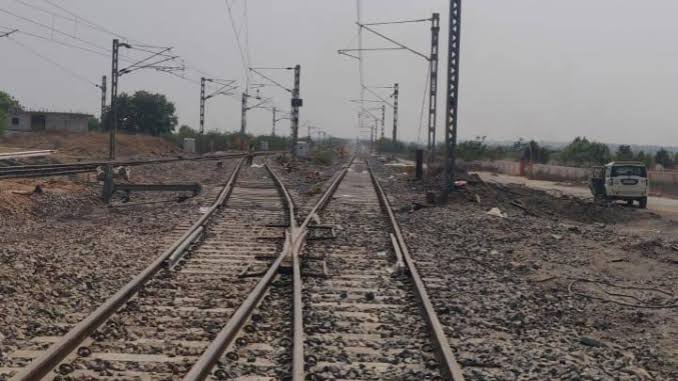
The Cabinet Committee on Economic Affairs, led by Prime Minister Shri Narendra Modi, has approved two significant multitracking projects on Indian Railways in Maharashtra and Madhya Pradesh. These initiatives aim to boost transportation capacity, making travel smoother and faster for both passengers and freight, while supporting the country’s push towards sustainable development.
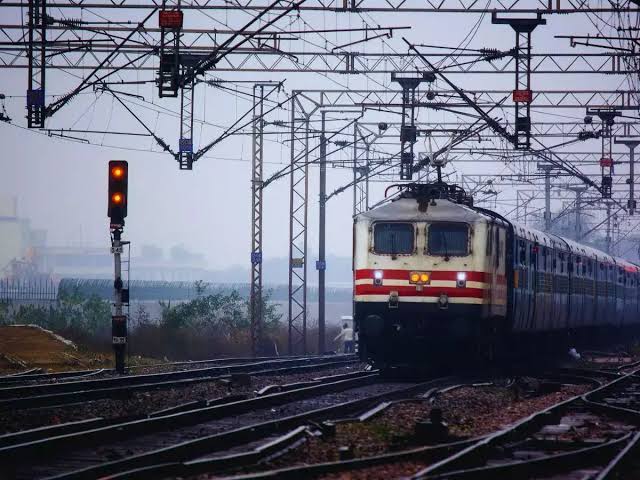
The projects involve adding third and fourth railway lines on the Ratlam-Nagda and Wardha-Balharshah routes, respectively. With a combined estimated cost of around Rs 3,399 crore, the work is expected to be completed by 2029-30. Together, they will extend the railway network by approximately 176 kilometers and enhance connectivity across four districts in these states.
These routes are crucial for the transport of essential goods such as coal, cement, agricultural products, containers, and petroleum items. The capacity expansion is projected to enable the movement of an additional 18.40 million tonnes of freight annually, improving the efficiency of supply chains and boosting regional economies.
Beyond economic benefits, the projects are aligned with the government’s environmental goals. By shifting freight to rail—a more energy-efficient and eco-friendly mode of transport—these upgrades will help reduce oil imports by 20 crore liters and lower CO2 emissions by 99 crore kilograms, equivalent to planting 4 crore trees. This contributes meaningfully to India’s climate commitments.
The projects are also expected to bring direct employment opportunities, generating approximately 74 lakh human-days of work during the construction phase, thereby supporting livelihoods in the region.
These developments form part of the PM-Gati Shakti National Master Plan, which emphasizes integrated, multi-modal connectivity to ensure seamless movement of people, goods, and services across the country. They reflect Prime Minister Modi’s vision of a “New India,” fostering self-reliance and comprehensive growth in these regions through improved infrastructure.
By enhancing line capacity on critical routes, the projects will help reduce congestion and delays, improve service reliability, and facilitate faster economic progress. This careful blend of progress and sustainability holds promise for both the environment and the millions of people who rely on these railway networks every day.