Connectivity Across Four Districts
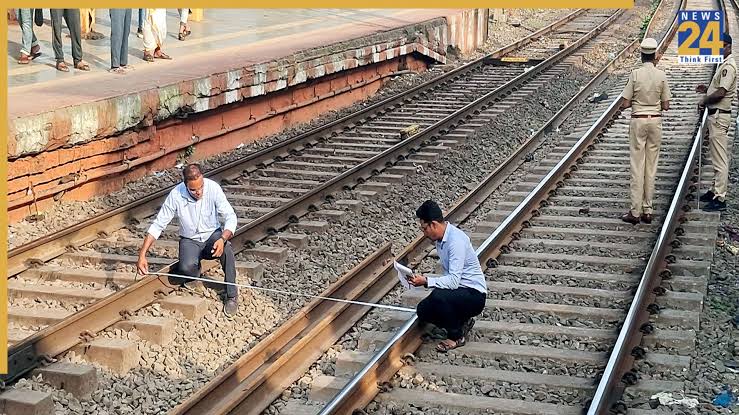
The doubling project spans across four districts of Bihar, increasing the existing railway network by 104 km. This section is significant as it connects key cultural and religious destinations such as Rajgir, Nalanda, and Pawapuri, which attract thousands of tourists and pilgrims every year.
 Boost to Villages and Aspirational Districts
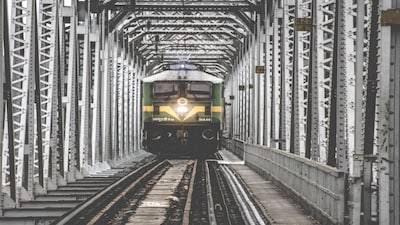
The multi-tracking initiative will improve connectivity for nearly 1,434 villages and benefit a population of over 13.46 lakh people. Importantly, it covers two Aspirational Districts – Gaya and Nawada – aligning with the government’s goal of balanced regional development.
Freight and Economic Benefits
The railway line is a critical route for transporting commodities such as coal, cement, clinker, and fly ash. With the doubling in place, freight capacity is expected to grow by an additional 26 million tonnes per annum (MTPA). This expansion will reduce logistics costs, improve efficiency, and enhance service reliability for Indian Railways.
Environmental Impact
The project is expected to reduce CO2 emissions by 24 crore kilograms, equivalent to planting one crore trees. It will also cut down oil imports by nearly 5 crore litres, reinforcing the government’s commitment to sustainable growth and energy efficiency.
Part of PM Gati Shakti Plan
The project falls under the PM Gati Shakti National Master Plan, which emphasizes multi-modal connectivity and logistic efficiency through integrated planning. By easing congestion and improving mobility, the doubling project will enhance both passenger travel and freight movement in the state.
Employment and Regional Development
The Cabinet noted that the project will generate new employment opportunities during construction and also support long-term self-employment through enhanced connectivity. It is in line with the Prime Minister’s vision of building an Atmanirbhar Bharat by fostering comprehensive development in regions like Bihar.