CBI Uncovers Major Bribery in Medical Education System
What the FIR Reveals
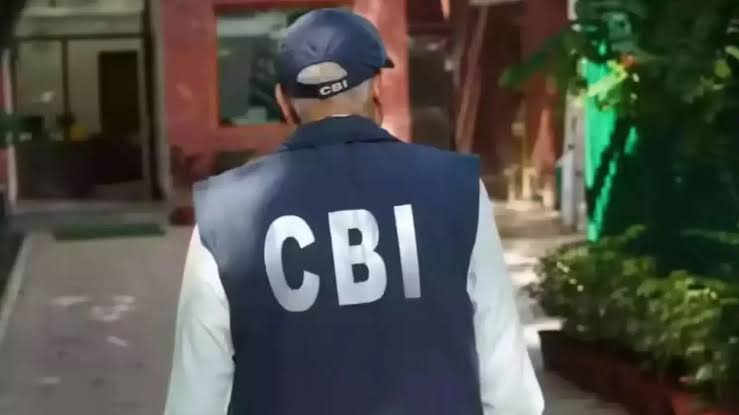
The FIR, filed on July 1, 2025, exposes a deep-rooted network of bribery, forgery, and manipulation of regulatory inspections. Key individuals named include a former chairman of the University Grants Commission (UGC), D P Singh, now Chancellor of TISS, and senior NMC and health ministry officers.
According to the CBI, confidential data—including inspection schedules and names of assessors—was leaked to private colleges. This allowed institutions to stage fake setups during inspections by using ghost faculty, biometric fraud, and fake patient records.
 Ghost Faculty and Biometric Manipulation
At Index Medical College, Indore, the FIR highlights serious misconduct. Administrators allegedly listed fake faculty and used cloned fingerprints to manipulate attendance systems. The college’s parent body, Malwanchal University, is also under scrutiny for issuing fake degrees and experience certificates.
Role of Intermediaries and Hawala Channels
The investigation also exposed a bribery network involving hawala transactions. Virendra Kumar from Gurgaon and his associate Jitu Lal Meena, a then-member of the Medical Assessment and Rating Board (MARB), played key roles in money transfers.
Meena allegedly used part of the bribes to build a Hanuman temple in Rajasthan, costing ₹75 lakh. Funds flowed from colleges to Kumar, who distributed them among officials using informal money routes.
Southern India Connection
Kumar’s reach extended to Andhra Pradesh and Telangana through B Hari Prasad and partners in Hyderabad and Visakhapatnam. They arranged dummy faculty and secured illegal approvals in exchange for bribes from institutions like Gayatri Medical College and Father Colombo Institute of Medical Sciences, Warangal.
Shocking Details from Raipur
In June 2025, the registrar of Geetanjali University, Mayur Raval, allegedly informed SRIMSR Raipur officials about an upcoming inspection and demanded ₹30 lakh. On the inspection day, bribes were reportedly distributed among assessors through contacts in Bengaluru.
Legal and Political Implications
The CBI has filed charges under section 61(2) of the Bharatiya Nyaya Sanhita and multiple sections of the Prevention of Corruption Act. These include criminal conspiracy, forgery, and breach of official secrecy.
This scandal could have significant policy implications for future education reforms, particularly in India’s regulated medical education sector.
What Lies Ahead?
Experts believe this is one of the most serious breaches in India’s higher education system in recent years. The CBI is likely to interrogate top bureaucrats and expand the investigation to include other regulatory bodies.
The medical education sector, already criticized for being elitist and opaque, now faces a credibility crisis. Public trust in government-run inspection mechanisms and regulatory bodies like the NMC has taken a major hit.