Ban Effective From September 28
The notification said the ban will come into force on September 28 and remain in effect for five years. The government noted that NSCN(K) continues to pursue its goal of carving out a “sovereign Nagaland,” including Naga-inhabited areas of India and Myanmar, through armed rebellion and by aligning with other militant groups such as ULFA(I), PREPAK, and the People’s Liberation Army (PLA).
 Criminal Activities and Arms Recovery
According to the MHA, between September 2020 and April 2025, security agencies registered 71 cases against NSCN(K) cadres, filing 56 chargesheets and prosecuting 35 individuals. In the same period, 85 cadres were arrested, 69 surrendered, and 13 were killed in encounters with security forces.
Authorities also recovered a significant cache of arms and explosives, including 69 firearms, 931 live rounds, grenades, improvised explosive devices (IEDs), and detonators. The group has been accused of extortion, kidnapping for ransom, and receiving support from foreign anti-India forces.
State Governments’ Support
The governments of Nagaland, Manipur, and Arunachal Pradesh recommended continuing the ban, arguing that the group’s activities remain a direct threat to peace and security in the Northeast. The Centre agreed, stating that if not curbed, the NSCN(K) could regroup, recruit fresh cadres, and procure sophisticated weapons to escalate violence.
Leadership and Rival Factions
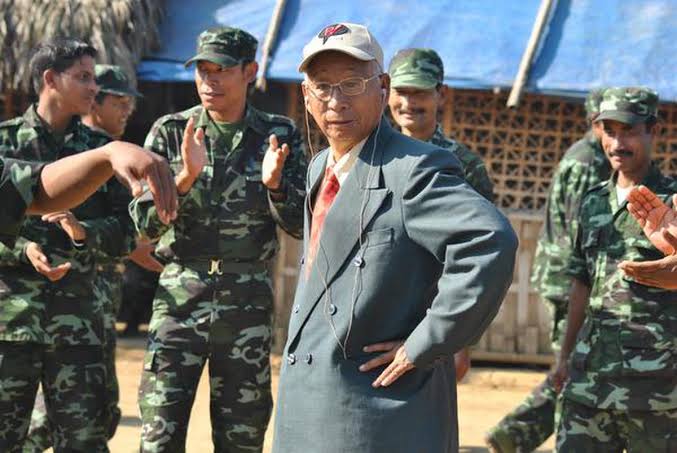
The NSCN(K) was originally led by S.S. Khaplang, a Myanmarese Naga who headed the group for decades until his death in 2017. Since then, two of his deputies have taken charge of the outfit. Despite the ban, the group remains active in the Indo-Myanmar region.
Meanwhile, its rival faction, the NSCN-IM, is engaged in ongoing peace talks with the Indian government. The talks aim to resolve the Naga insurgency, which has persisted for over seven decades, though a final agreement is still awaited.
Long-Standing Ban
The NSCN(K) has been banned for decades, with the prohibition renewed every five years. The extension underscores the Centre’s continued efforts to neutralize insurgent groups that refuse to join the peace process. Officials maintain that the extension of the ban is necessary to ensure stability and safeguard the sovereignty of the country.