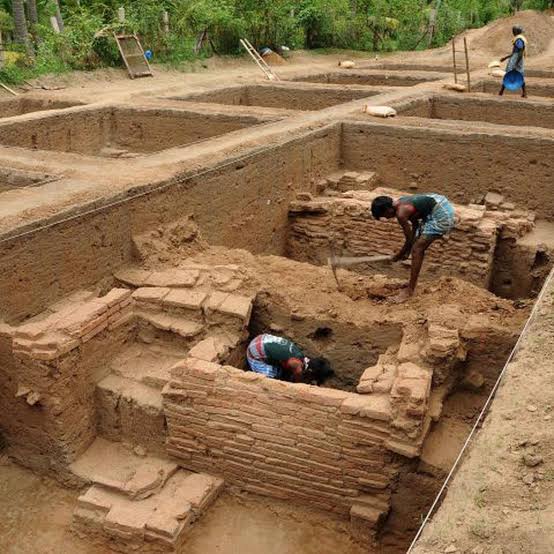
In light of recent media reports surrounding the publication status of the Keeladi excavation report from Sivaganga district, Tamil Nadu, the Archaeological Survey of India (ASI) has issued a detailed clarification, addressing concerns and expressing disappointment over what it describes as misleading narratives being circulated.
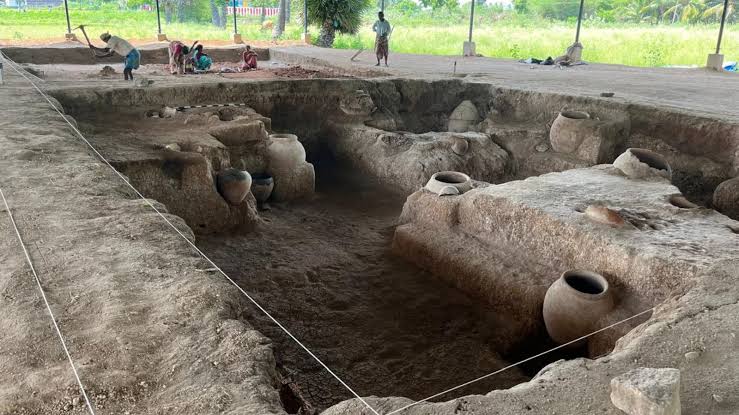
The ASI has reiterated its deep commitment to documenting and publishing findings from all excavation sites under its jurisdiction. As part of its rigorous and standardized process, excavation reports submitted by archaeologists are forwarded to subject experts for vetting. Based on their scholarly feedback, excavators are expected to revise and resubmit their reports before they are officially published under the prestigious Memoirs of the Archaeological Survey of India (MASI) series.
This same process has been followed for the Keeladi excavation. According to the ASI, expert reviewers suggested corrections to the draft report submitted by the excavator. These suggestions were formally communicated, but the excavator has yet to incorporate the required changes and resubmit the report for final publication.
Contrary to certain media claims, ASI strongly denies any suggestion of indifference or delay on its part. Officials emphasize that careful review, editing, proofreading, and design are essential steps before publication to ensure accuracy and quality, especially in a technical and culturally significant field like archaeology.
The organization expresses concern that certain portrayals in the media may not only mislead the public but also undermine the credibility of the diligent processes involved. The suggestion that ASI is intentionally withholding the Keeladi report is, in their words, “a figment of imagination” and unfair to the professionals involved.
ASI clarifies that the communication from the Director (Excavations & Explorations) regarding revisions is a routine part of the publication process, common to all excavation reports. There is no exceptional delay or deviation in the handling of the Keeladi findings.
The ASI urges media outlets to approach archaeological matters with greater sensitivity and care, taking time to understand the detailed processes involved before drawing conclusions. It calls for more informed reporting that supports the shared goal of preserving and disseminating India’s rich historical heritage.
For further details or clarifications, the ASI has provided a contact: Ms. Nandini Bhattacharya Sahu, Joint Director General, ASI (9324608991).