On Tuesday, the India Meteorological Department (IMD) confirmed that the southwest monsoon has made its initial advance into parts of the south Bay of Bengal, south Andaman Sea, Nicobar Islands, and parts of the north Andaman Sea. This marks the beginning of the eagerly awaited monsoon season, bringing hope to farmers and relief from rising temperatures across the region.
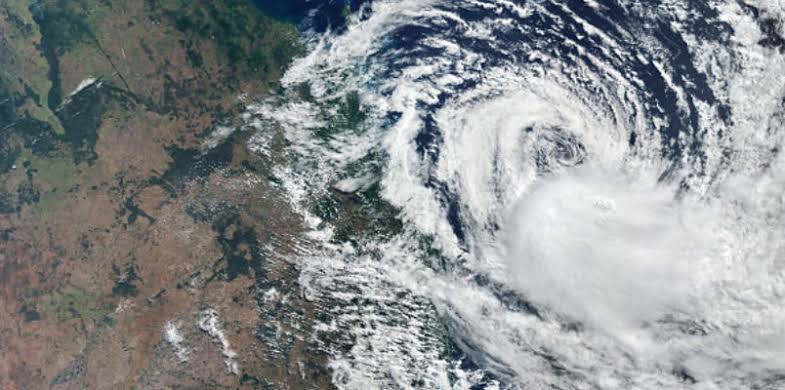
 However, alongside this welcome development, meteorologists are sounding early warnings about the potential formation of a cyclone in the Bay of Bengal. The IMD reported an upper air cyclonic circulation over the Andaman Sea, ranging between 1.5 km and 7.6 km above mean sea level. This system, which is currently tilting southwestward with altitude, is being closely monitored for further developments.
Additional cyclonic circulations were also observed over northwest Uttar Pradesh, West Rajasthan, and Northeast Assam, which reflect the increasingly active weather systems forming across the subcontinent.
According to sources at the Regional Meteorological Centre (RMC), a low-pressure area is likely to form over the east-central Bay of Bengal sometime between May 16 and 22. While still in early stages, such conditions often precede the formation of cyclonic storms.
Bangladeshi meteorologist Mostafa Kamal Palash echoed these concerns, posting on social media that a cyclone could take shape between May 16 and 18, potentially intensifying by the end of the month, between May 23 and 28. He referred to the possible system as “Cyclone Shakti” — a name that has already begun to gain attention among meteorological circles and the public alike.
As coastal regions prepare for the arrival of the monsoon, the emerging possibility of a cyclone adds an element of uncertainty and concern. Residents in vulnerable areas, especially those along the eastern coastline and island regions, are advised to stay informed and follow updates from official weather agencies.
While nature’s cycle of monsoon brings much-needed rain and renewal, it can also bring hardship in the form of cyclones. The IMD and regional experts continue to monitor the situation closely, and the hope remains that communities will be kept safe through timely forecasts and preparedness.