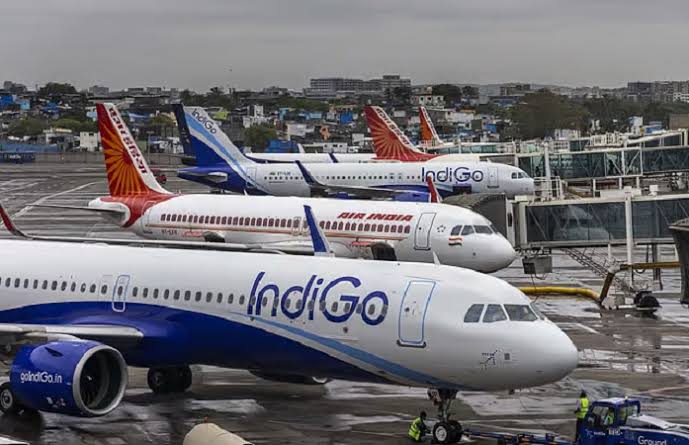
In response to recent international airspace closures and overflight restrictions, which have resulted in significant changes to flight routes and extended travel times, the Directorate General of Civil Aviation (DGCA) has issued new directives for airlines. These measures aim to ensure the comfort, safety, and regulatory compliance of passengers as they face longer flight durations and potential technical stops.
The DGCA has mandated that airlines immediately implement a range of enhanced passenger handling measures. First and foremost, airlines are required to provide clear and proactive communication to passengers about any changes in flight routes, delays, or technical stops. This information must be shared at multiple points: during check-in, boarding, and through digital alerts during the flight.
In-flight services have also been revised. Airlines must adjust catering based on the actual duration of the flight, ensuring that passengers receive adequate food and hydration. Special meal requests should also be fulfilled, particularly during any unplanned stopovers.
To further safeguard passengers’ well-being, the DGCA has emphasized that airlines must ensure sufficient medical supplies are onboard. Emergency services should also be available at any potential technical stopover airports, providing additional reassurance to travelers.
Moreover, airlines are urged to ensure that their customer service teams and call centers are prepared to manage delays and missed connections, offering the necessary assistance and compensation in line with existing regulations.
Operationally, coordination between flight operations, ground services, inflight services, and medical teams is crucial for smooth travel experiences during this period of uncertainty. The DGCA has stressed that airlines must treat these measures as mandatory, warning that failure to comply could lead to regulatory action.
This directive, which is effective immediately, will remain in place until further notice, as the aviation industry adjusts to the ongoing challenges posed by airspace disruptions.