Fake GST Registrations Exposed
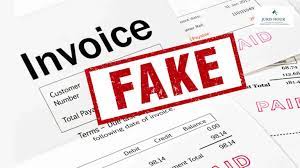
Preliminary investigation revealed that the group behind the scam created multiple fake GST registrations using forged identity documents. These registrations were then used to fraudulently avail Input Tax Credit (ITC) and pass it on to others. The scam involved entities that existed only on paper, with no genuine business activity taking place.
During raids at the accused’s premises, officers seized crucial evidence including forged Aadhaar cards, fictitious documents, mobile phones, and photographs of signboards belonging to non-operational units. Investigators believe these items were used to support the creation of bogus firms that acted as fronts in the tax evasion racket.
 Arrest and Legal Action
The arrested individual was taken into custody in Bengaluru under Section 69 of the Central Goods and Services Tax (CGST) Act, 2017. He was first produced before the Special Court for Economic Offences in Bengaluru, which granted transit remand for his transfer to Belagavi. Subsequently, he was produced before the Judicial Magistrate in Belagavi, who remanded him to seven days of judicial custody.
Crackdown on Shell Entities
The use of shell companies with no actual operations has been a recurring method in GST fraud cases across India. Fraudsters typically generate fake invoices to claim ITC without any real supply of goods or services. According to DGGI officials, this case highlights the growing need for stronger digital verification measures to prevent the misuse of the GST framework.
Authorities are intensifying efforts to identify and dismantle such fake networks. Similar nationwide crackdowns in the past have led to the arrest of multiple individuals and the detection of thousands of crores worth of fraudulent invoices. The Belagavi case adds to the growing list of high-value GST frauds that continue to challenge India’s indirect tax administration.
Further Investigation Underway
Officials have stated that the investigation is still ongoing, with more arrests likely in the coming days. They are tracking financial transactions and cross-verifying the ITC claims associated with the shell entities. Enforcement agencies are also examining the role of possible beneficiaries who may have knowingly availed credit from these fake invoices.
The Central Board of Indirect Taxes and Customs (CBIC) has repeatedly urged businesses to remain vigilant while dealing with suppliers and to verify their GST credentials through official portals like the GST portal. Genuine businesses caught in fraudulent chains risk losing their ITC claims if linked to such scams.
Rising Concern Over GST Evasion
India has witnessed a sharp rise in fake GST invoice cases since the implementation of the GST regime in 2017. According to government reports, fake ITC claims remain one of the biggest challenges in maintaining tax compliance. The Belagavi bust reaffirms the government’s commitment to curbing fraud and protecting revenue leakage.
More details about the accused, his associates, and the network of fake companies are expected to emerge as the investigation progresses. Authorities have assured that strict action will be taken against all those found guilty.