A Visionary in Ophthalmology Visits India’s Premier Military Hospital
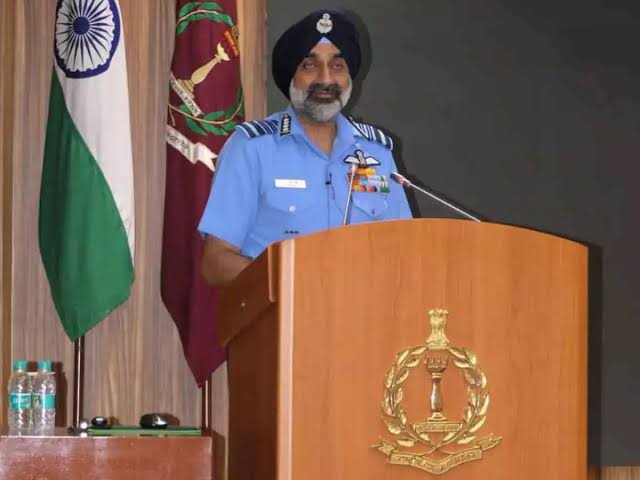
Globally renowned ophthalmologist Dr Harminder Singh Dua brought a wave of inspiration to Army Hospital (Research & Referral) in New Delhi on 2 August 2025.
Known worldwide for discovering Dua’s Layer in the cornea, Dr Dua serves as Professor of Ophthalmology at the University of Nottingham, UK. His visit marked a moment of pride for India’s Armed Forces Medical Services and the country’s medical community.
World-Class Standards in Military Healthcare
During his tour of the Department of Ophthalmology, Dr Dua admired the hospital’s cutting-edge infrastructure, advanced equipment, and immaculate environment.
He praised the disciplined yet compassionate work culture. In his words, “The facilities and standards at Army Hospital (R&R) match, and in some aspects even surpass, some of the best centres globally.”
This acknowledgment from one of the world’s top eye surgeons reinforces the hospital’s place among the elite healthcare institutions.
Inspiring Lecture on Leadership
Dr Dua delivered a powerful lecture titled “Steering the Ship: From Studentship to Leadership”. His audience included senior faculty, postgraduate students, and healthcare professionals.
He shared lessons from his illustrious career, moving from academic pursuit to visionary leadership. His talk blended personal experiences with universal leadership principles, motivating young doctors to think beyond technical skill and embrace integrity, innovation, and service.
 Upcoming Centres of Excellence
Dr Dua also learned about three upcoming world-class facilities at Army Hospital (R&R):
- Advanced Centre for Ophthalmic Visual Sciences
- Joint Replacement Centre
- Oncology Centre
These projects are being implemented under the guidance of Raksha Mantri Shri Rajnath Singh, who has championed modernising the Armed Forces’ medical infrastructure. Chief of the Army Staff General Upendra Dwivedi has played a key role in driving these initiatives forward.
A Model of Medical Excellence
The Armed Forces Medical Services (AFMS), led by DG Surgeon Vice Admiral Arti Sarin, received high praise from Dr Dua. He called it a unique model of excellence that combines integrity, service, innovation, and clinical acumen.
This model has enabled Army Hospital (R&R) to stay at the forefront of specialised care, balancing military discipline with patient-centred compassion.
A Legacy of Innovation and Mentorship
For decades, Dr Harminder Dua has been a beacon in clinical excellence, surgical innovation, and academic mentorship. His discovery of Dua’s Layer has transformed corneal surgery worldwide, improving treatment outcomes for countless patients.
Beyond his research, Dr Dua has trained and inspired generations of ophthalmologists, fostering a culture of curiosity and collaboration in eye care.
Honouring a Global Medical Leader
The hospital leadership honoured Dr Dua during his visit. Lt Gen Shankar Narayan, Commandant of Army Hospital (R&R), presented him with a felicitation, recognising his contributions to medicine and education.
The event was not just a visit — it was a celebration of excellence in military and civilian medicine.
Fact-Based Highlights
- Visitor: Prof. Harminder Singh Dua, Professor of Ophthalmology, University of Nottingham
- Global Recognition: Discovered Dua’s Layer in cornea
- Visit Date: 2 August 2025
- Venue: Army Hospital (R&R), New Delhi
- Key Remarks: Facilities match or surpass top global centres
- Lecture Topic: Steering the Ship: From Studentship to Leadership
- Upcoming Projects: Ophthalmic Visual Sciences Centre, Joint Replacement Centre, Oncology Centre
- Leadership: Guided by Raksha Mantri Rajnath Singh and Gen Upendra Dwivedi; AFMS led by Vice Admiral Arti Sarin
A Lasting Message
Dr Dua’s visit shows that excellence in medicine transcends borders. It proves that India’s military healthcare system can stand shoulder-to-shoulder with the best in the world.
His words and presence inspired the next generation of doctors to pursue innovation with compassion.
The event also reaffirmed that partnerships between global medical leaders and national institutions can accelerate healthcare advancements for everyone.