 End of Political Deadlock
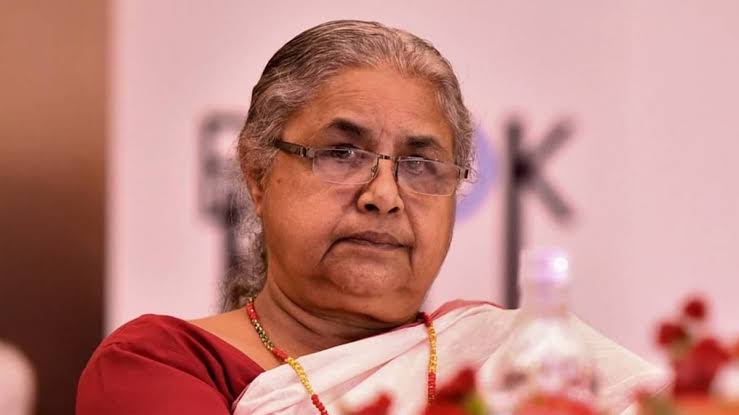
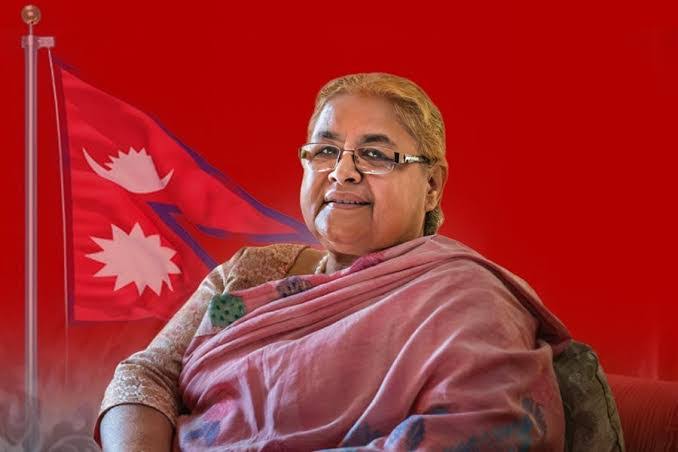
Karki’s appointment followed intense negotiations between the President’s Office, youth campaigners, and representatives of civil society. The move is seen as an attempt to pacify young protesters who have demanded sweeping political reforms and accountability from Nepal’s ruling class.
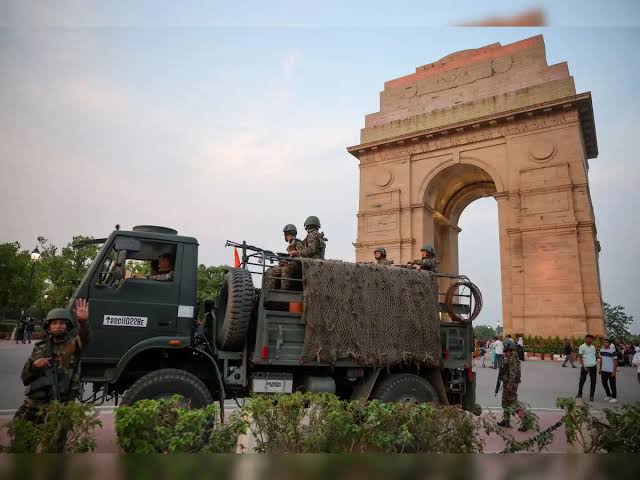
The protests began over a government ban on social media platforms like Facebook and YouTube but quickly evolved into a nationwide anti-corruption movement. The violent crackdown earlier this week triggered widespread outrage, forcing Oli to step down. In the aftermath, security forces and the army imposed a strict curfew in the Kathmandu Valley.
Historic First for Nepal
Karki previously served as Nepal’s Chief Justice in 2016, becoming the first woman to hold the role. Her tenure was marked by landmark rulings on corruption and social justice, which earned her respect across political divides. Many see her as a non-partisan figure capable of guiding Nepal through its fragile transition.
“Her leadership brings hope for stability and accountability,” said a statement by student leaders who spearheaded the Gen Z campaign. Civil society groups also backed her appointment, while Nepal’s army chief pledged cooperation to restore peace.
Unrest and Humanitarian Fallout
The violence has left deep scars across Nepal. Dozens of police stations were vandalised, government buildings set ablaze, and more than 12,000 prisoners reportedly escaped from jails during the chaos. The Indian government confirmed that several Indian nationals were injured when their bus was attacked near Kathmandu, prompting emergency evacuations.
Meanwhile, Nepal eased visa and exit rules for stranded foreign nationals as curfews disrupted travel. International sporting events, including the Blind Women’s T20 Cricket World Cup, were forced to relocate games initially scheduled in Kathmandu.
What Lies Ahead
Analysts believe Karki’s interim government faces a tough balancing act—restoring law and order, addressing the youth’s demands, and preparing for fresh elections. Former President Ram Baran Yadav stressed that the aspirations of young Nepalis could still be achieved within the framework of the 2015 Constitution if implemented effectively.
The coming weeks will test Nepal’s fragile democracy. For now, the appointment of Sushila Karki, a figure seen as clean and independent, offers a symbolic yet critical reset for a country reeling from political turmoil.