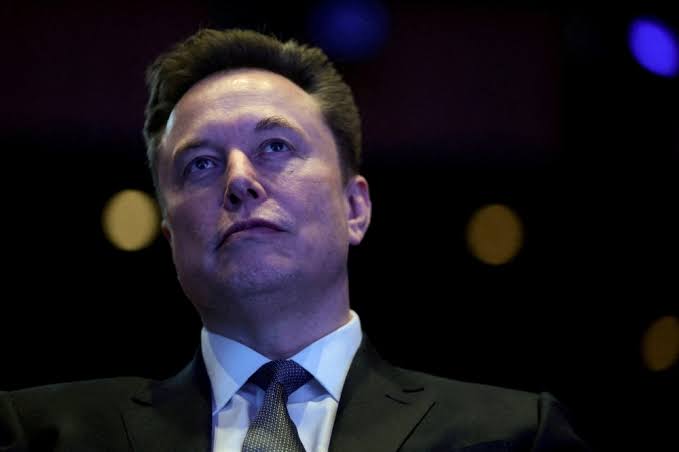
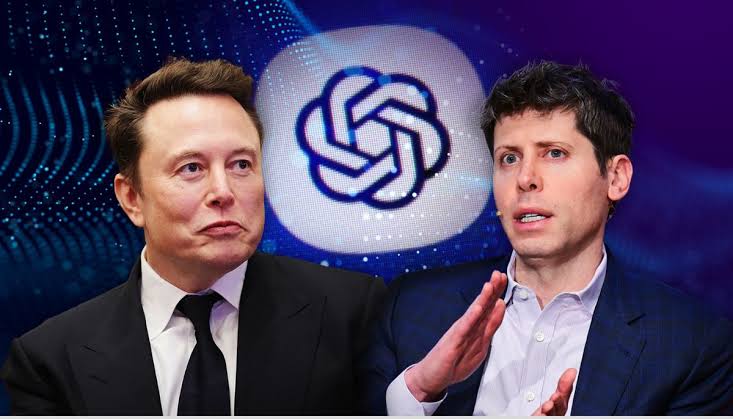
 Musk, who co-founded OpenAI in 2015 but departed in 2018 over concerns about its commercialization, claims he was defrauded of his $38 million seed donation. Court filings cite financial economist C. Paul Wazzan, who calculated that Musk is entitled to a portion of OpenAI’s current $500 billion valuation due to the company’s alleged wrongful gains.
“Just as an early investor may earn returns far exceeding the initial contribution, Mr. Musk is entitled to disgorge the gains earned by OpenAI and Microsoft,” stated Musk’s lawyer Steven Molo in the court filing. The lawsuit emphasizes Musk’s claim to a significant portion of OpenAI’s valuation, linking it to the alleged breach of the company’s non-profit mission.
OpenAI and Microsoft have strongly denied the allegations. In a statement to Bloomberg, OpenAI called the lawsuit “baseless” and “part of an ongoing harassment campaign,” noting that the demand is “unserious and meant solely to further this harassment.”
Earlier this week, OpenAI CEO Sam Altman sent a letter to investors and banking partners warning that Musk’s claims could be exaggerated. The company emphasized confidence in its legal defenses, stating that the case likely does not exceed the original $38 million donation, though this is not guaranteed.
The upcoming jury trial, set for April 27, is expected to examine whether Musk’s claims hold merit and whether OpenAI’s evolution into a commercial AI firm violated agreements with early investors. Legal experts suggest the case could have implications for venture capital accountability and non-profit-to-profit transitions in the tech sector.
Industry analysts note that the lawsuit highlights the ongoing tensions between early AI investors and tech companies transitioning from non-profit missions to commercial ventures. Musk’s high-profile suit has already drawn global attention, adding to debates about governance, equity, and ethics in the rapidly growing AI industry.