Exporters Face 30% Losses on US Shipments
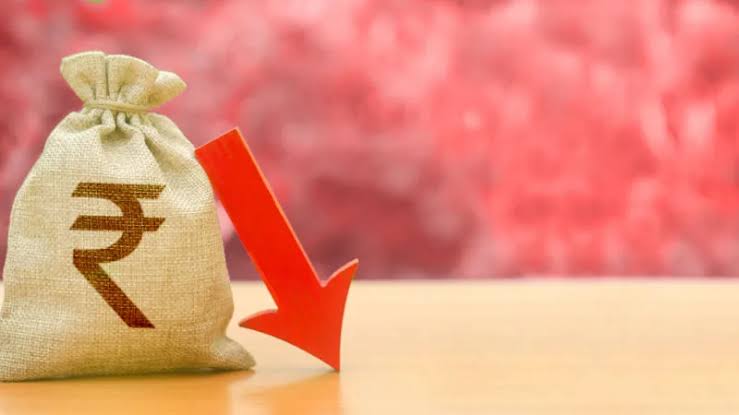
According to Pankaj Chadha, chairman of the Engineering Export Promotion Council of India (EEPC), exporters are losing nearly 30% on US-bound shipments due to the tariffs. The rupee recently touched a record low of 88.33 per dollar, but exporters insist that a further depreciation is needed to absorb the shock.
“We are seeking a temporary special rate for US export proceeds, just to cover shipments already booked,” Chadha said. Exporters are expected to present their demand to RBI Governor Sanjay Malhotra in a meeting next week.
Risks of Currency Weakening
While a weaker rupee could provide immediate relief, economists warn of serious risks. A sharp depreciation could unsettle investor sentiment and drain India’s foreign exchange reserves as the RBI would be forced to intervene more aggressively.
“Depreciation of INR is the only near-term policy tool to reduce the negative impact on exports,” said Gaura Sen Gupta, chief economist at IDFC First Bank. However, others, like currency consultant Jamal Mecklai, disagree. “If any support is needed, it should come from the government, not from exchange rate manipulation,” he noted.
 Government Support Measures Under Discussion
Exporters are also lobbying the government for additional relief measures. Their demands include moratoriums on loan repayments, lower credit interest rates, collateral-free working capital loans, wage support, and statutory contribution relief. Officials have assured that sufficient liquidity will be made available for exporters under stress.
Former RBI deputy governor R. Gandhi cautioned that relying on currency depreciation is neither sustainable nor effective. “The RBI never consciously weakens the rupee to support exports. Interest rate subventions, export subsidies, or extended credit terms are better tools,” Gandhi said.
Tariffs Make India Less Competitive
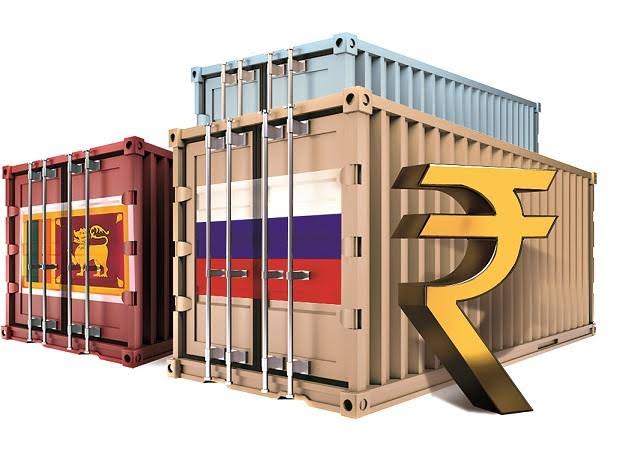
The US remains India’s largest export destination. Trump’s move to impose Asia’s steepest tariffs on Indian goods aims to penalize India for trade barriers and its purchase of Russian oil. This step has made Indian exports less competitive compared to rivals such as Vietnam and Bangladesh, particularly in labor-intensive sectors like textiles, gems, and jewelry.
As the rupee continues to slide, exporters fear more job losses and shrinking orders. The coming weeks will be critical as discussions with both the RBI and government ministries intensify.