Support for Textile and Technical Textiles
The extension builds upon earlier relaxations granted by the Ministry of Textiles, which had already lengthened the EO period for QCO-bound products under its purview. Together, these interventions provide crucial support for exporters of man-made fibre (MMF) textiles and technical textiles, two of the fastest-growing segments of India’s textile industry. The measures are aligned with the government’s larger push to improve ease of doing business and enhance global competitiveness.
around 18% of all Advance Authorisations are issued for the textile sector. Extending the EO period gives exporters more flexibility to fulfil commitments without disruptions caused by compliance hurdles, thereby supporting uninterrupted growth.
 Advance Authorisation and Duty-Free Imports
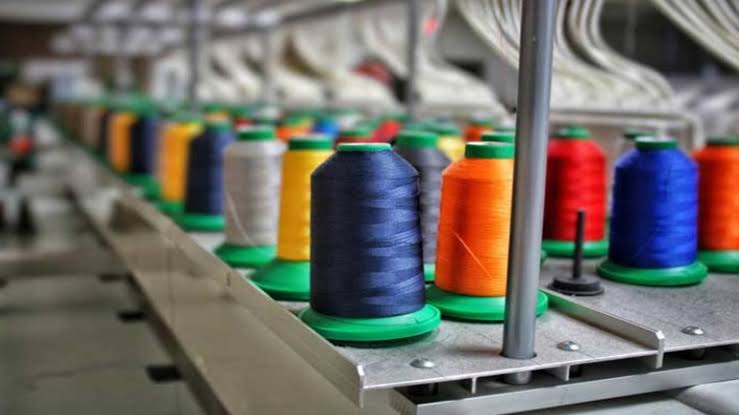
Under the Advance Authorisation scheme, exporters can import inputs duty-free for manufacturing products meant for export. By extending the EO period, the government ensures that businesses have sufficient time to source raw materials and complete their export orders. Importantly, these duty-free imports are not subject to QCO restrictions, offering a lifeline to industries that rely on timely access to specialised raw materials.
The decision will help prevent supply chain bottlenecks, reduce compliance stress, and maintain India’s credibility as a reliable exporter. Industry experts believe that this flexibility will particularly benefit small and medium enterprises (SMEs), which often face tighter production timelines and higher input costs.
Cotton Import Duty Exemption Extended
In another supportive measure, the government has extended the exemption of import duty on raw cotton (HS 5201) until December 31, 2025. This will ensure steady raw material availability for cotton-based industries and shield them from international price volatility. By lowering input costs, the exemption will help the sector maintain competitive pricing in global markets.
Exports and Industry Outlook
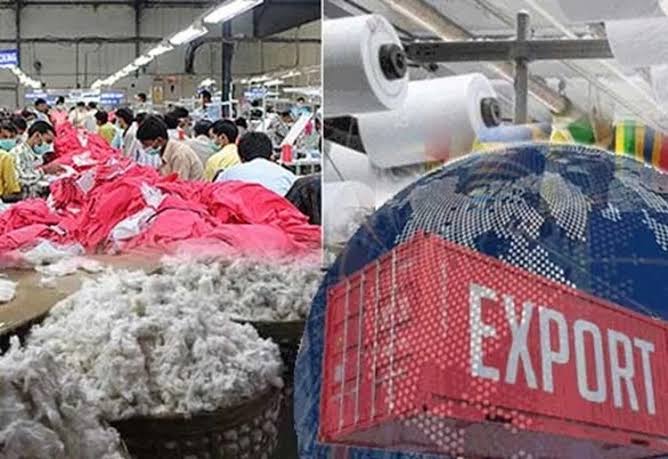
India’s exports under the MMF value chain, which includes fibre, yarn, fabrics, and made-ups, were valued at USD 8.46 billion in 2024-25. Of this, MMF fibre exports alone accounted for USD 401 million. With continued government support through schemes such as the Production-Linked Incentive (PLI) and National Technical Textiles Mission (NTTM), the sector is poised to expand its global footprint.
Industry bodies have welcomed the DGFT notification, calling it a timely intervention that will help ease input cost pressures, secure raw material supply, and enhance the competitiveness of Indian products in overseas markets. The coordinated policy measures by the DCPC, DGFT, and Ministry of Textiles underline a proactive approach to strengthen one of India’s largest employment-generating sectors.
A Step Towards Greater Competitiveness
By extending the EO period and providing duty exemptions, the government has reinforced its commitment to the textile industry, which employs millions and contributes significantly to India’s export earnings. These steps are expected to improve industry resilience, attract fresh investments, and support long-term growth in both domestic and international markets.
The textile industry, especially MMF and technical textiles, continues to be identified as a key growth driver under the government’s vision for Atmanirbhar Bharat and Make in India. With these policy interventions, India aims to strengthen its global position as a sustainable and competitive textile hub.