
Renewable Energy Incentives Under PMKSY
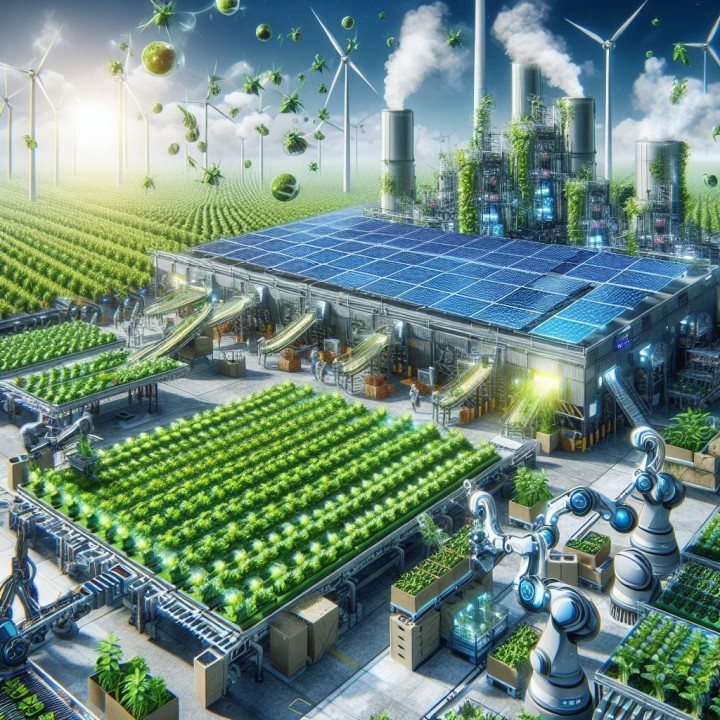
MoFPI is actively supporting the adoption of renewable energy sources such as solar, biomass and wind in food processing units through its flagship Pradhan Mantri Kisan SAMPADA Yojana (PMKSY). Under the scheme’s component guidelines, eligible projects can receive financial assistance of up to ₹35 lakh per project for incorporating renewable or alternative energy technologies.
This support aims to reduce dependence on fossil fuels, lower operational costs and cut carbon emissions across food processing facilities. The initiative also aligns with India’s broader climate commitments and sustainable industrial development goals.

Environmental compliance has been made a non-negotiable condition for availing government assistance. As per PMKSY guidelines, food processing units must obtain Consent to Operate (CTO) from the respective State Pollution Control Boards for both water and air before the release of grant instalments.
Additionally, cold chain infrastructure projects are required to comply with the Ministry of Environment, Forest and Climate Change norms. These include the mandatory use of non-ozone depleting substances (Non-ODS) and low global warming potential (GWP) refrigerants, ensuring energy-efficient and climate-friendly cooling systems.
Sustainability Spotlight at World Food India 2025
The government’s sustainability push was prominently showcased during the 4th edition of World Food India 2025, held from September 25 to 28. One of the event’s key focus pillars was “Sustainability and Net Zero Food Processing,” highlighting resource efficiency, waste reduction and green manufacturing practices.
The platform brought together policymakers, industry leaders, startups and global stakeholders to discuss innovative solutions for environmentally responsible food processing, including eco-friendly packaging and energy-efficient technologies.
Innovations in Sustainable Packaging
The National Institute of Food Technology, Entrepreneurship and Management (NIFTEM), Thanjavur, under MoFPI, has been at the forefront of developing sustainable packaging technologies. The institute is working on biodegradable plastics and environmentally friendly packaging solutions derived from biopolymers such as polylactic acid (PLA), starch and nanofibres.
These innovations aim to reduce plastic waste, improve food safety and promote circular economy practices within the food processing value chain.
Boosting Infrastructure and Startups
MoFPI continues to incentivize the creation and expansion of food processing infrastructure through two major Central Sector schemes—PMKSY and the Production Linked Incentive Scheme for the Food Processing Industry (PLISFPI). These schemes provide targeted incentives to enhance processing capacity, value addition and global competitiveness.
In parallel, the PM Formalization of Micro Food Processing Enterprises (PMFME) scheme supports micro enterprises, startups and MSMEs with subsidies, infrastructure support and market linkage assistance.
Skilling and Capacity Building
Under the capacity-building component of PMFME, MoFPI provides training support for trainers, district resource persons and entrepreneurs. The Entrepreneurship Development Programme (EDP+) and product-specific skilling initiatives are designed to meet the evolving needs of the food processing industry.
The scheme also focuses on strengthening backward and forward linkages, common facility centres, incubation hubs, branding and marketing support, ensuring holistic sectoral development.
Institutional Handholding and R&D Support
MoFPI’s autonomous institutions—NIFTEM-Kundli in Haryana and NIFTEM-Thanjavur in Tamil Nadu—play a crucial role in mentoring startups and MSMEs. They offer access to pilot plants, NABL-accredited food testing laboratories, incubation services, quality testing, research and development support, and industry networking opportunities.
These initiatives collectively contribute to off-farm employment generation, improved farmer incomes and a resilient, sustainable food processing ecosystem across India.
The information was shared by the Minister of State for Food Processing Industries, Shri Ravneet Singh, in a written reply in the Lok Sabha on February 5, reaffirming the government’s commitment to green growth in the food processing sector.