 Handicrafts: Preserving Heritage, Driving Exports
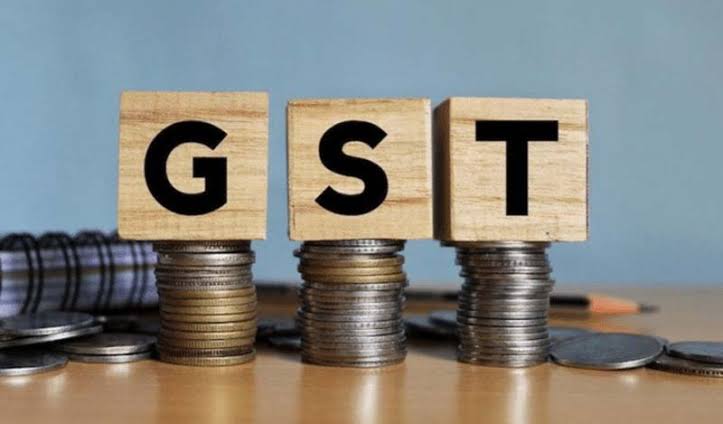
Handicrafts are the soul of Kashmir’s economy, providing livelihoods to over 3.5 lakh people. Products like papier-mâché, Pashmina shawls, silk carpets, and walnut wood carvings are not just cultural treasures but also valuable exports. The GST reduction makes these items more affordable and globally competitive, strengthening artisan incomes and protecting heritage against machine-made replicas.
Women, who constitute nearly 45% of the workforce in this sector, stand to benefit significantly from improved sales and demand. iconic products such as GI-tagged Pashmina shawls and Basohli paintings will see renewed market opportunities.
Boost for Agriculture and Horticulture
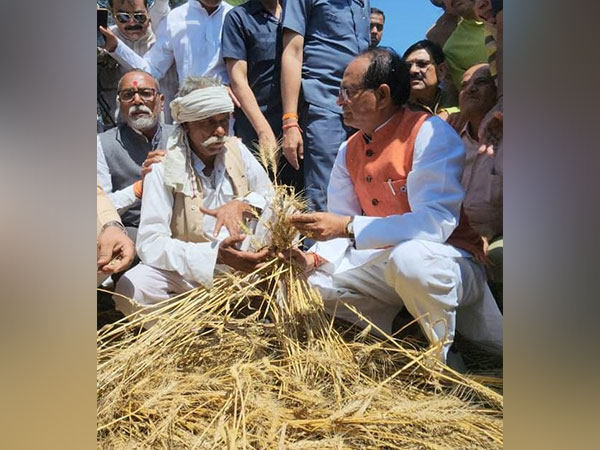
Agriculture remains the backbone of J&K’s economy. The GST cut has made walnuts, almonds, and horticultural products more competitive. The union territory contributes over 91% of India’s almond output, and its packaging industry is expected to flourish with reduced costs. Walnut farming alone generates trade worth nearly ₹120 crore annually and sustains around 10,000 families.
The reforms are expected to enhance export potential, improve farmer incomes, and attract investment in processing industries. Farmers in regions like Anantnag, Kupwara, and Budgam now see brighter prospects for growth and profitability.
Tourism and Hospitality: Making Travel Affordable
Tourism contributes nearly 15% to J&K’s GDP, with over 2.3 crore visitors recorded in 2024. The GST reduction on hotel tariffs from 12% to 5% for stays under ₹7,500 makes travel more budget-friendly, likely increasing occupancy rates and length of stay. This is expected to generate more revenue for local businesses and create additional jobs in the sector.
The move aligns with the UT’s strategy of positioning itself as a global tourism hub, leveraging its natural beauty and cultural richness to attract domestic and international travelers.
Specialty Products: From Kitchens to Canvases
Dogra cheese from Udhampur, Basohli paintings from Kathua, and willow wicker items from Srinagar have all become more affordable under the revised GST regime. Each of these products carries geographical indications, symbolizing J&K’s unique cultural heritage.
The tax cut encourages higher production, lowers costs for consumers, and strengthens artisans’ competitiveness against cheaper imitations. Together, these measures ensure that traditional skills and heritage products continue to thrive while generating sustainable rural employment.
A Brighter Economic Horizon
The GST reductions mark a turning point for J&K’s economy. From artisans in Srinagar to farmers in Anantnag and hotel owners in Jammu, stakeholders across sectors are expected to benefit. By lowering costs and expanding markets, the reforms are not just about numbers but about sustaining livelihoods and preserving cultural identity.
As the Himalayan region balances its heritage with modern growth, these tax reforms could well become a cornerstone in J&K’s journey toward sustainable development and inclusive prosperity.