 No Locus Standi for Societies and RWAs
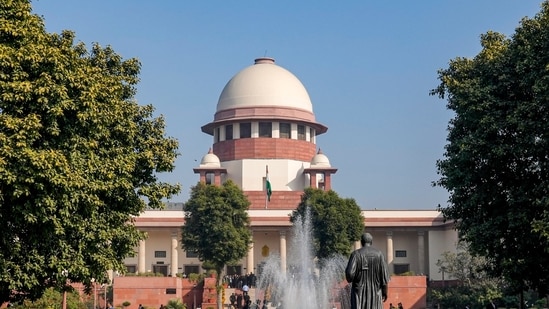
A Bench comprising Justices JB Pardiwala and R Mahadevan ruled that a homebuyers’ society is neither a financial creditor nor an authorised representative of allottees under the IBC. As a result, such societies cannot seek to intervene in insolvency proceedings arising from petitions filed under Section 7 of the Code.
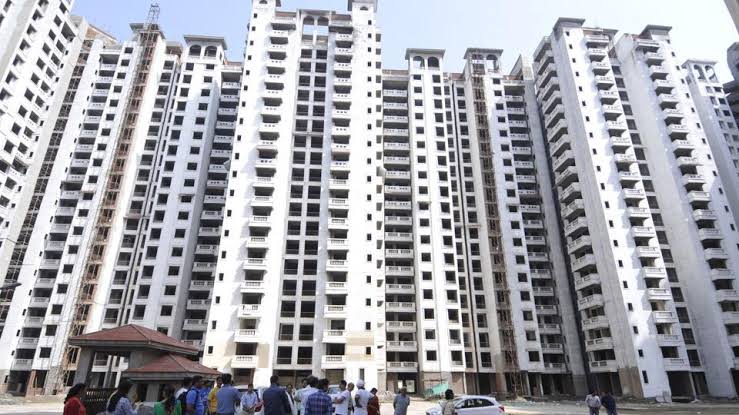
The Court observed that RWAs and cooperative housing societies are typically formed for maintenance and management of common facilities. Their office-bearers cannot claim representative status before insolvency forums without express statutory recognition or valid authorisation from individual homebuyers.
Risk of Delaying Insolvency Process
Warning against an expansive interpretation of participation rights, the Bench noted that allowing societies to intervene would impermissibly enlarge the definition of “financial creditor” under the IBC. Such an approach, the Court said, could create an extra-statutory layer of representation and enable errant developers to delay insolvency proceedings.
The Court emphasised that insolvency law is designed to resolve defaults in a time-bound manner and cannot be derailed under the guise of collective hardships, however genuine those concerns may be.
Background of the Case
The ruling arose from insolvency proceedings initiated against Takshashila Heights India Private Limited, a real estate developer in Ahmedabad. The company had availed loans worth ₹70 crore in 2018 from ECL Finance Limited for a residential-cum-commercial project named “Takshashila Elegna.”
After repayment delays, the loan account was classified as a non-performing asset in December 2021. The debt was later assigned to Edelweiss Asset Reconstruction Company Limited (EARCL), which initiated recovery measures and entered into a restructuring and one-time settlement with the developer in 2023.
NCLT and NCLAT Decisions
When the settlement failed due to further defaults, EARCL initiated insolvency proceedings. The National Company Law Tribunal (NCLT), Ahmedabad, initially dismissed the plea, citing potential prejudice to homebuyers and observing that the project was substantially complete.
On appeal, the National Company Law Appellate Tribunal (NCLAT) overturned the NCLT’s decision, holding that once default is established, insolvency proceedings must be admitted. It also rejected the intervention plea of the homebuyers’ society, citing lack of locus.
Supreme Court Upholds Insolvency Framework
Upholding the NCLAT’s ruling, the Supreme Court reiterated that insolvency proceedings at the admission stage are strictly bipartite, involving only the financial creditor and the corporate debtor. No third party has an independent right to be heard at this stage.
The Court clarified that concerns regarding homebuyers’ interests must be addressed strictly within the framework of the IBC and cannot be used to block insolvency admission once a default is proven.
Parallel Recovery Proceedings Allowed
The Court also reaffirmed that the pendency of recovery proceedings under laws such as the SARFAESI Act or before Debt Recovery Tribunals does not bar initiation of insolvency proceedings. While disapproving of simultaneous remedies, it held that such conduct does not invalidate insolvency proceedings.
Once insolvency is admitted, the statutory moratorium under Section 14 of the IBC comes into effect, staying all recovery actions, thereby curing any overlap.