 Talks Follow Nationwide Delivery Rider Strike
The government intervention comes weeks after thousands of delivery workers across multiple cities staged strikes to protest what they described as dangerous working conditions. Riders argued that tight delivery timelines push them to take risks on congested roads, often at the cost of their own safety.
While customer disruption during the strike was limited, the protests sparked a wider public debate about the human cost of ultra-fast delivery models in India’s digital economy.
Quick-Commerce Firms Under Scrutiny
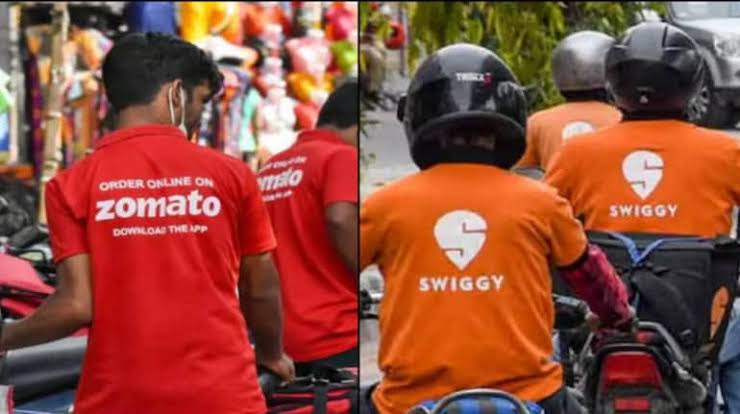
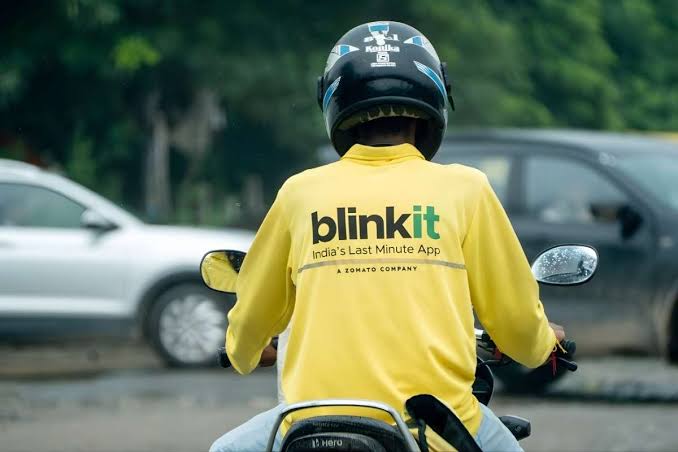
The discussions involved leading quick-commerce brands such as Zomato, Blinkit, Swiggy and Zepto, which allow customers to order groceries, electronics and household items for near-instant delivery using neighbourhood warehouses known as dark stores.
According to officials, the labour ministry urged companies to stop advertising rigid delivery deadlines that could endanger riders. Some platforms have already removed explicit references to “10-minute delivery” from their marketing material, while others are expected to follow.
Fast Delivery Still Possible, Deadlines Softened
Despite the advisory, estimated delivery times displayed on apps in some locations still fall under 10 minutes due to the proximity of dark stores to residential areas. Officials clarified that the focus is on removing unrealistic guarantees rather than banning quick delivery altogether.
The government has not announced any penalties so far, and it remains unclear whether compliance will be voluntary or regulated through future labour or consumer protection rules.
Gig Economy at a Crossroads
India’s gig economy has expanded rapidly since the Covid-19 pandemic. According to government think tank NITI Aayog, the number of gig workers is projected to rise from 7.7 million in 2021 to 23.5 million by 2030.
As competition intensified, companies began promising ever-faster deliveries, reshaping urban shopping habits but also increasing pressure on delivery workers.
Workers Describe High Stress and Low Pay
Delivery workers say missing tight deadlines can lead to penalties, fewer order allocations or lower customer ratings. Many riders work long hours to earn modest monthly incomes, often without social security benefits.
Labour researchers argue that while gig workers are classified as independent contractors, their earnings are heavily dependent on opaque platform algorithms that reward speed.
Mixed Reactions from Workers and Unions
Several labour unions welcomed the government’s move, calling it a positive step toward protecting gig workers’ lives and dignity. Others cautioned that pressure would remain unless pay structures and incentive systems are also reformed.
Some delivery riders expressed hope that the removal of strict deadlines would reduce stress, while others said deeper issues such as low per-order earnings, lack of parking spaces and absence of insurance still need to be addressed.
What Lies Ahead
The labour ministry is expected to continue consultations with platform companies and worker groups to explore longer-term safeguards. Industry experts say the challenge will be balancing consumer convenience with worker welfare in one of the world’s fastest-growing digital markets.