 “Importing Pulses Is a Matter of Shame”
Speaking candidly, Shri Shivraj Singh Chouhan said that importing pulses cannot be a source of pride for a country with India’s agricultural strength. He stressed that Prime Minister Narendra Modi has taken a firm resolve that India must become self-reliant in pulses to achieve the broader goal of a developed and self-reliant nation.
“Today, we are forced to import pulses. This is not a matter of joy, but shame. The Prime Minister has decided that this situation must change. India will not only meet its domestic demand but will reach a stage where it exports pulses to the world,” the Union Minister said.
Seed to Market: A Complete Value Chain Approach
Outlining the roadmap of the mission, Shri Chouhan emphasised that the government’s focus is on the entire value chain — from quality seed development to assured markets. He announced that seed reforms will decentralise decision-making, ensuring that no seed is released solely from Delhi. Instead, seed varieties will be released in states based on local needs and farmer participation.
Under the cluster-based farming model, farmers will receive seed kits and financial assistance of ₹10,000 per hectare for model pulse cultivation. This approach aims to improve productivity, reduce input costs, and ensure stable incomes.
1,000 Pulse Mills to Drive Local Value Addition
To strengthen post-harvest infrastructure, the Union Minister announced the establishment of 1,000 pulse processing mills across the country. Each unit will receive government support of up to ₹25 lakh. Notably, 55 pulse mills will be set up in Madhya Pradesh alone, creating local employment and enabling farmers to benefit directly from value addition.
“Where pulses are produced, they must also be processed and marketed. This is the only way farmers will receive fair prices,” Shri Chouhan said.
Strong Assurance on Farmers’ Interests
Addressing concerns raised by opposition parties over recent international trade agreements, Shri Chouhan firmly stated that Indian farmers’ interests will not be compromised under any circumstances. He clarified that sensitive agricultural and dairy products such as maize, wheat, rice, soybean, poultry, milk, paneer, ethanol, and tobacco are fully safeguarded.
“These products will not come from America. India’s markets are secure for Indian farmers,” he asserted.
New Export Opportunities for Indian Agriculture
The Union Minister highlighted that recent trade agreements will open new export opportunities for basmati rice, spices, textiles, and value-added agricultural products. Reduced tariffs will particularly benefit basmati growers in Haryana, western Uttar Pradesh, and Punjab, while increased textile exports will support cotton farmers.
Research, Innovation, and Farmer Participation
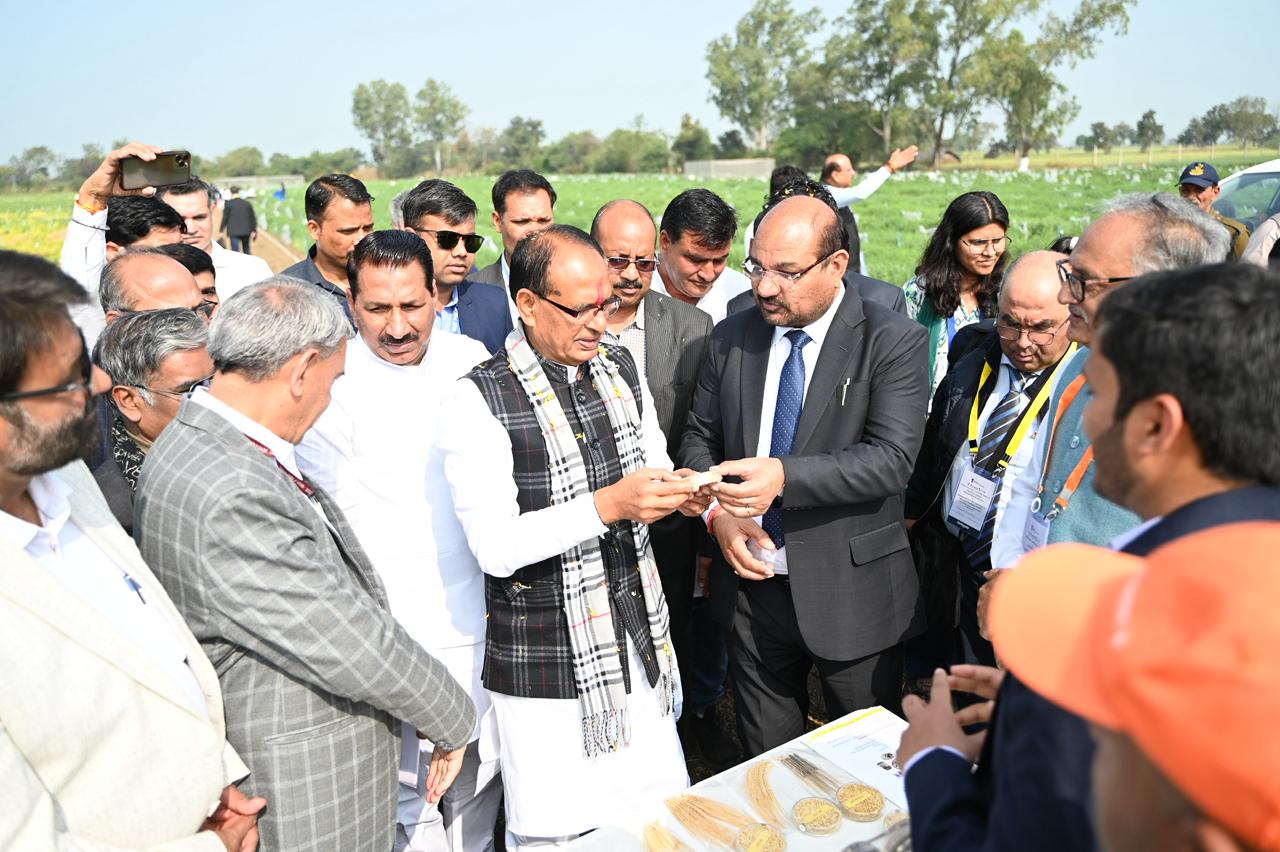
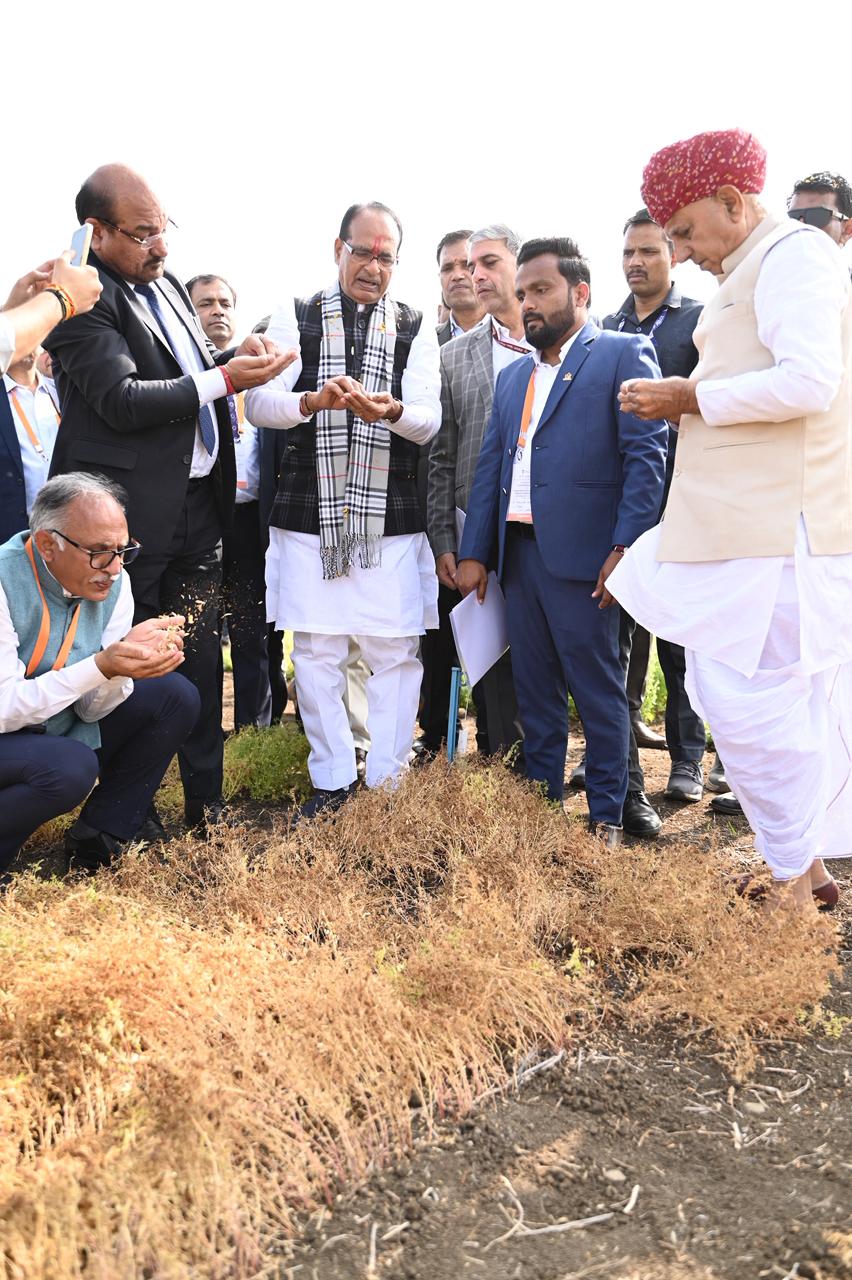
Shri Chouhan inaugurated the state-of-the-art FLRP campus at Amlaha, underscoring the role of scientific research in boosting pulse productivity. He noted that ICAR and ICARDA scientists are working on early-maturing, disease-resistant varieties of chickpea, lentil, pigeon pea, moong, and urad to enhance farmer profitability.
Amlaha’s Message to the Nation
The deliberations at Amlaha concluded with a clear political and policy message: India’s path to pulses self-reliance will be farmer-centric, science-driven, and market-linked. With Centre-State cooperation and direct farmer participation, the Self-Reliance in Pulses Mission aims to transform India’s protein security landscape.
As Shri Chouhan summed up, “This mission is not a slogan. It is a commitment to farmers, to the nation, and to India’s future.”