India has once again demonstrated its unwavering commitment to the promotion of Traditional Medicine on the global stage. At the 78th World Health Assembly in Geneva, held under the banner “One World for Health,” India’s representative, Shri Arindam Bagchi, reiterated the nation’s deep support for the newly adopted WHO Global Traditional Medicine Strategy 2025–2034.
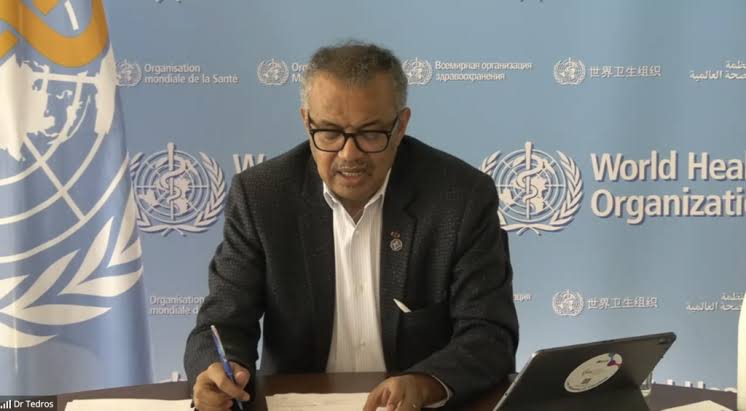 Addressing the Assembly, Shri Bagchi emphasized India’s continued efforts to harmonize modern healthcare with time-tested traditional systems such as Ayurveda, Yoga, Unani, and Siddha. This integrated approach, guided by the vision of Prime Minister Shri Narendra Modi, was presented as a scalable and effective model for countries worldwide striving to deliver comprehensive healthcare solutions rooted in both science and cultural heritage.
India’s leadership in traditional medicine has already made a global impact through the establishment of the WHO Global Traditional Medicine Centre (GTMC) in Jamnagar, Gujarat. The Centre, inaugurated in 2022 by Prime Minister Modi and WHO Director-General Dr. Tedros Adhanom Ghebreyesus, stands as a pioneering institution dedicated to advancing research, setting standards, and shaping policy in the field of traditional medicine.
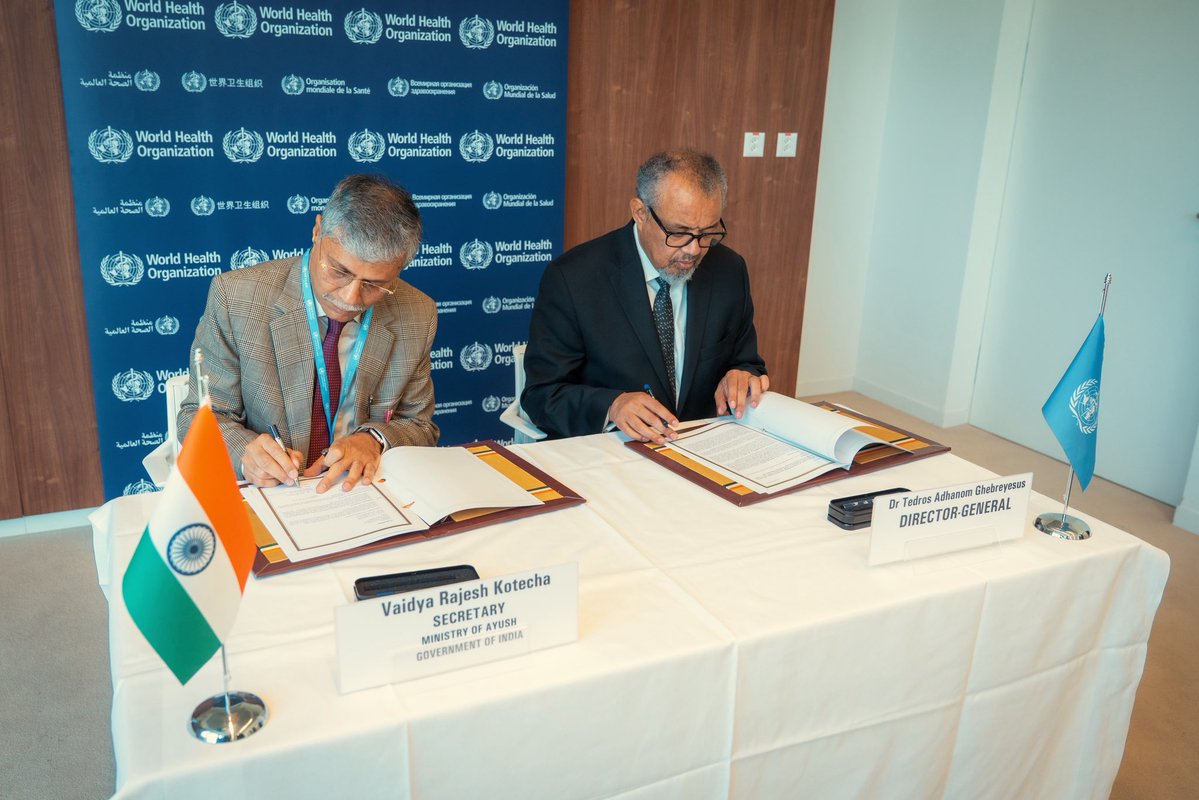
A significant stride in 2025 came with the signing of a Donor Agreement between the Ministry of Ayush and WHO, marking the start of work on a specialized Traditional Medicine module within the International Classification of Health Interventions (ICHI). This initiative aims to embed Ayush systems more firmly within international health discourse by providing a standardized, scientifically credible framework.
Prime Minister Modi, during his Mann Ki Baat address, hailed this development as a proud moment for India, noting its potential to bring traditional Indian healing practices to a broader global audience. Echoing this sentiment, Vaidya Rajesh Kotecha, Secretary of the Ministry of Ayush, affirmed India’s dedication to helping shape an inclusive, safe, and evidence-based traditional medicine landscape worldwide.
The WHO’s new strategy calls upon member nations to strengthen regulation, protect indigenous knowledge, and ensure environmental sustainability — values that align closely with India’s own initiatives. From policy-making to public health delivery, the country continues to champion a holistic, culturally sensitive approach to wellness that respects both tradition and modernity.
India’s active role at the Assembly reflects not only its historical and scientific contributions to healthcare but also its commitment to achieving universal health coverage and advancing the Sustainable Development Goals through the meaningful integration of traditional medicine into the global health framework.