The Ministry of Agriculture’s detailed crop-wise estimates show record harvests for staple cereals and robust growth across oilseeds and pulses, reinforcing India’s strides toward food security and farmer incomes.
Crop-wise highlights
Rice reached a record 150.184 million tonnes (1,501.84 lakh tonnes), up by 12.359 million tonnes over 2023–24. Wheat output also set a new high at 117.945 million tonnes (1,179.45 lakh tonnes), an increase of 4.653 million tonnes.
Coarse cereals and millets remained strong: maize rose to 43.409 million tonnes and millet (Shri Anna) was estimated at 18.592 million tonnes. Pulses collectively touched 25.683 million tonnes, with chickpea at 11.114 million tonnes and moong at 4.244 million tonnes.
 Oilseeds and other key commodities
Oilseed production showed a healthy upswing, estimated at a record 42.989 million tonnes (429.89 lakh tonnes), more than 8% higher than the previous year’s 39.669 million tonnes. Soybean reached a record 15.268 million tonnes, while groundnut surged to 11.942 million tonnes. Rapeseed and mustard production was robust at 12.667 million tonnes.
Sugarcane output was reported at 454.611 million tonnes, cotton at 297.24 lakh bales, and jute & mesta at 88.02 lakh bales, reflecting broad-based agricultural recovery and diversification.
Ten-year transformation and policy support
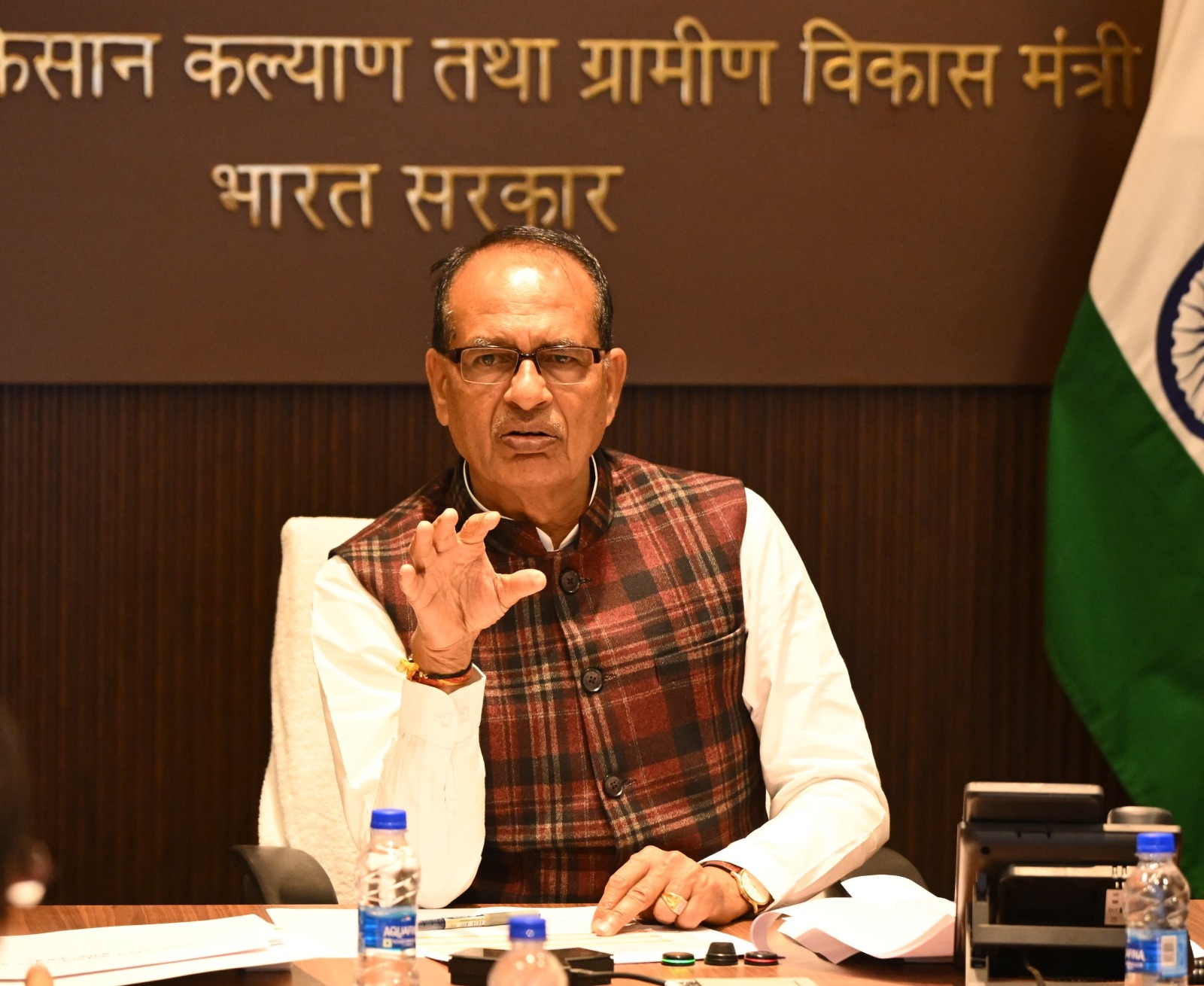
Minister Chouhan underscored the decade-long gains: foodgrain output has grown by over 106 million tonnes since 2015–16 (from 251.54 million tonnes to 357.73 million tonnes). He thanked farmers for their efforts and highlighted government programmes that supported the rise, including procurement assurances and crop support measures.
“MSP procurement assurance for pulses is benefitting large numbers of farmers,” Shri Chouhan said, while noting the new Self-Reliance in Pulses Mission will further encourage pulse cultivation and domestic availability.
Implications for farmers and markets
The surge in production could ease domestic supply pressures and strengthen India’s position in global agricultural markets. Record outputs in rice, wheat and oilseeds may provide greater buffer stocks and support farmer incomes through assured procurement at minimum support prices (MSP) for key crops, particularly pulses.
The ministry indicated ongoing discussions on future strategies to consolidate gains, enhance value addition, and expand market linkages for farmers across supply chains.
Looking ahead
Officials said the government will continue to prioritise agriculture through investment in technology, irrigation, seed systems and farmer producer organisations. The Self-Reliance in Pulses Mission and continued MSP support were highlighted as near-term priorities to sustain momentum in pulse production.