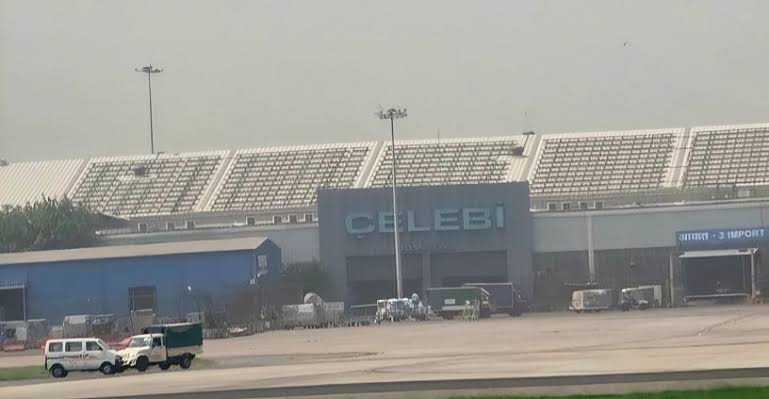
In a significant development, the Indian government has revoked the security clearance of Celebi Airport Services India Pvt. Ltd., a subsidiary of Turkey’s Celebi Aviation. The move, announced on Thursday, is being seen as a precautionary measure taken in the interest of national security, and it is expected to have an immediate impact on ground handling operations at several major airports across the country.
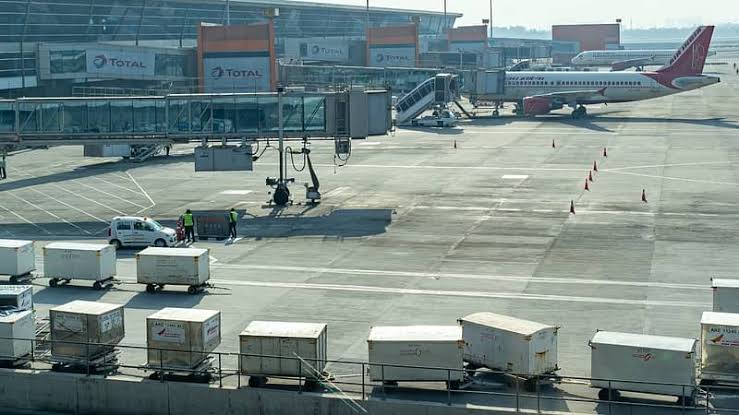
Celebi’s services play a vital role in the functioning of key airports such as Delhi, Bengaluru, Hyderabad, Goa, and Cochin. These include handling baggage, cargo, and essential ground services for both passengers and aircraft. The company has been an integral part of airport logistics in India, managing over 58,000 flights annually and employing more than 7,800 people across nine major airports.
The decision comes amid heightened tensions following Turkey’s public support for Pakistan, particularly in the aftermath of Operation Sindoor and the tragic Pehelgam attack. For months, there had been growing concern within India’s security establishment over Celebi’s operations, given the geopolitical stance of its parent nation. While Turkey’s alignment with Pakistan is not new, recent statements and actions reportedly pushed Indian authorities to reconsider allowing a Turkish entity to operate in sensitive airport zones.
The Bureau of Civil Aviation Security (BCAS) issued the revocation order with immediate effect. The notice, signed by a senior official, emphasized that the decision was made under powers conferred upon the Director General of BCAS, reinforcing the gravity of the situation. With this, airport operators will now have to rely on other existing ground handlers such as AISATS and Bird Group to ensure that passenger and cargo services remain uninterrupted in the short term. A new tender process is likely to be initiated soon to find a permanent replacement.
Celebi’s removal leaves a notable void, not just logistically but also in terms of employment and business continuity. The company’s local presence spans years of operations, and for many employees, this news brings with it uncertainty about their professional futures. For others in the ground handling industry, however, this may present an opportunity to step in and expand their footprint.
While national interest and security must always remain paramount, such decisions also bring to light the complex interplay between international relations, trade, and local employment. As the dust settles, authorities and airport operators alike are expected to take swift steps to minimize disruption and maintain the safety and efficiency of India’s bustling aviat
ion sector.