 Building on the Foundations of ISM 1.0
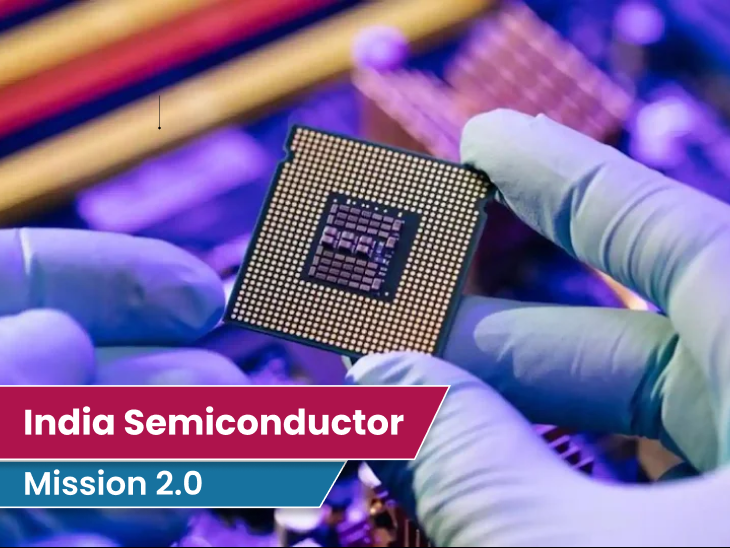
Semiconductors power every critical digital and industrial system, from smartphones and automobiles to defence platforms and artificial intelligence. Recognising this, India launched ISM 1.0 in December 2021 with an incentive outlay of ₹76,000 crore. The initiative catalysed large-scale investments across silicon fabs, compound semiconductors, assembly, testing and packaging.
As of December 2025, ten semiconductor projects with investments exceeding ₹1.60 lakh crore have been approved across six states. These facilities are expected to enable India to design and manufacture chips meeting nearly 70–75 per cent of domestic demand by 2029, significantly reducing external dependence.
Market Growth and Global Positioning
India’s semiconductor market is expanding rapidly, driven by electronics manufacturing, electric mobility, telecom and digital infrastructure. Industry estimates place the market at around $38 billion in 2023, rising to nearly $50 billion by 2024–25, with projections of $100–110 billion by 2030.
Platforms such as SEMICON India 2025 and rising investor interest reflect growing global confidence in India’s semiconductor journey. ISM 2.0 aims to leverage this momentum by advancing manufacturing capabilities towards cutting-edge 3-nanometre and 2-nanometre technology nodes over the next decade.
Targeted Outcomes for 2026–27
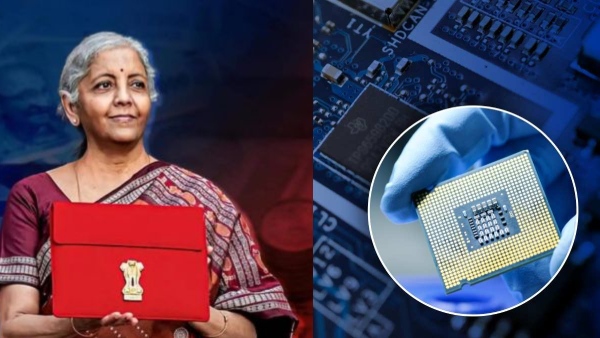
The Modified Programme for Development of Semiconductor and Display Manufacturing Ecosystem carries a financial outlay of ₹8,000 crore for 2026–27. The programme is expected to support one semiconductor fab with investments of ₹4,000 crore and generate around 1,500 jobs.
In addition, nine units under compound semiconductors, silicon photonics and ATMP/OSAT schemes are projected to attract ₹11,000 crore in investments and create nearly 3,000 jobs. The Design Linked Incentive scheme will support 30 design companies, targeting the development of 10 semiconductor IP cores.
Strengthening Design and Indigenous Innovation
Semiconductor design remains a cornerstone of India’s strategy. Since its launch, the Design Linked Incentive scheme has supported 24 startups, attracted ₹430 crore in venture funding and enabled access to advanced electronic design automation tools through the national design platform.
Indigenous processor development has also gained momentum. The launch of DHRUV64, a 64-bit microprocessor developed by C-DAC under the Microprocessor Development Programme, marks a key milestone. Built on RISC-V architecture, it strengthens India’s digital sovereignty across sectors such as telecom, automotive, healthcare and defence.
Creating a Future-Ready Talent Pipeline
Recognising that talent is as critical as infrastructure, the government has rolled out comprehensive skilling initiatives. Programmes such as Chips to Start Up, specialised AICTE courses, SMART Labs at NIELIT, and partnerships with global firms like Lam Research aim to train tens of thousands of engineers in semiconductor technologies.
Together, these efforts are creating a robust workforce capable of supporting fabrication, packaging, design and advanced research, ensuring the sustainability of India’s semiconductor ecosystem.
A Strategic Imperative
Recent global disruptions have highlighted the risks of concentrated semiconductor supply chains. With advanced chip manufacturing dominated by a handful of countries, India’s push under ISM 2.0 aligns with global efforts to diversify and secure supply networks.
By strengthening domestic capacity across the value chain, India Semiconductor Mission 2.0 positions the country as a trusted partner in the global semiconductor landscape while anchoring long-term economic resilience and technological sovereignty.