 From Mini Rakes to Full Capacity Freight
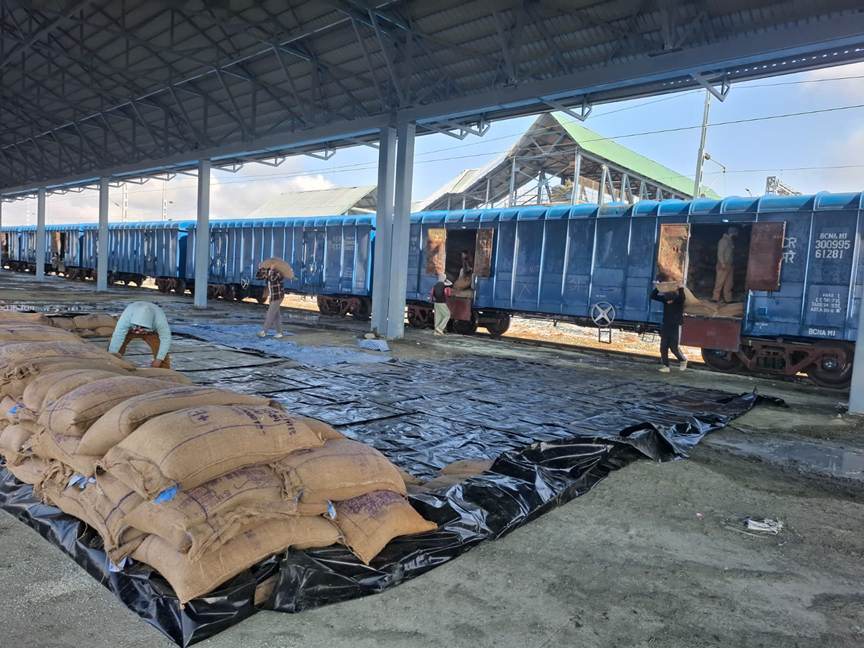
Until now, foodgrain movement to Kashmir by rail was limited to mini rakes comprising 21 wagons, carrying approximately 1,384 metric tonnes per consignment. The latest operation marks a decisive transition to full-capacity freight, effectively doubling the volume of foodgrains transported in a single trip.
The rake was loaded at the Sangrur rail terminal in Punjab on January 21 and reached Anantnag within 24 hours. This swift turnaround, achieved through close coordination between Indian Railways and the Food Corporation of India (FCI), reflects improved planning and operational preparedness.
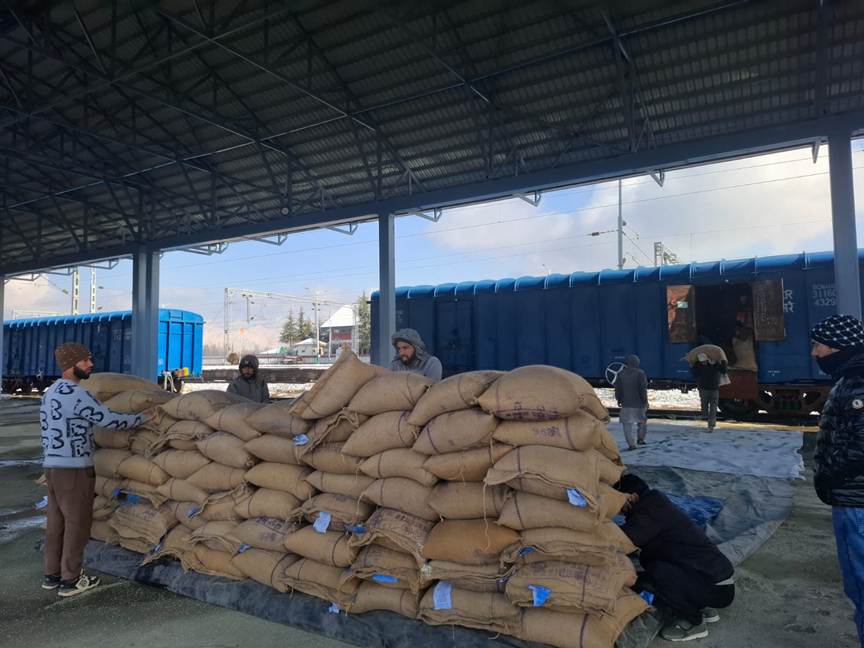
Handling Adverse Weather Conditions
The successful transportation and handling of the rake is particularly significant given the adverse weather conditions prevailing in the region. Snowfall and harsh winter conditions had disrupted unloading operations a day earlier, but coordinated efforts ensured the consignment was handled without delay.
This operational success highlights the reliability of rail-based logistics as an alternative to road transport, which often faces prolonged disruptions during winter due to landslides, snowfall and highway closures.
Boost to Food Security and Buffer Stocks
The movement of full foodgrain rakes is expected to play a crucial role in strengthening the food distribution network across the Kashmir Valley. Rail-based transportation ensures timely replenishment of buffer stocks, particularly during winter months when road access becomes unpredictable.
Improved availability of essential commodities such as rice will directly benefit households, helping maintain price stability and ensuring uninterrupted access to foodgrains even during prolonged periods of adverse weather.
Lower Costs and Environmental Benefits
The shift from road-based transport and smaller rail consignments to full rakes is expected to significantly reduce logistics and freight costs. Better asset utilisation, reduced handling and faster turnaround times contribute to overall efficiency gains.
Reduced dependence on heavy truck traffic along national highways also brings environmental benefits. Rail transport consumes less fuel per tonne of cargo, leading to lower carbon emissions and reduced congestion on sensitive mountain routes.
USBRL: Transforming Kashmir’s Connectivity
The development underscores the transformative impact of the Udhampur–Srinagar–Baramulla Rail Link (USBRL), one of the most ambitious railway engineering projects undertaken in independent India. Designed to provide year-round connectivity, the project has overcome complex terrain and extreme climatic challenges.
Building on the successful rail movement of apples, cement, fertilisers and now foodgrains, the USBRL is strengthening trade, supporting farmers and traders, and ensuring dependable access to essential goods for residents of the Valley.
Strengthening Regional Economic Resilience
Reliable freight connectivity is emerging as a cornerstone of economic resilience in Jammu and Kashmir. Improved logistics support sustained economic activity, reduce supply chain disruptions and enhance the region’s integration with national markets.
As Indian Railways continues to expand freight operations in the Valley, all-weather rail connectivity is set to play a vital role in supporting development, stability and long-term growth in the region.