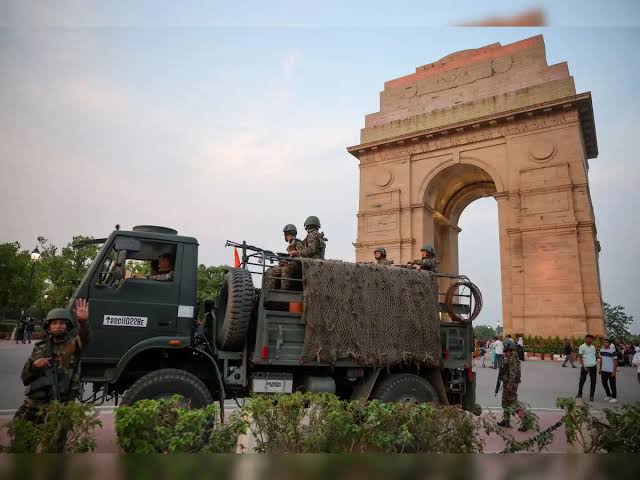
New Delhi – In a strong and clear message, India has declared that any future act of terror originating from Pakistan will be treated as an act of war. This declaration follows a troubling escalation in hostilities, with Pakistan launching drone and missile attacks on northern India for three consecutive nights. Fortunately, India’s air defense systems intercepted almost all of them, preventing significant damage and casualties.
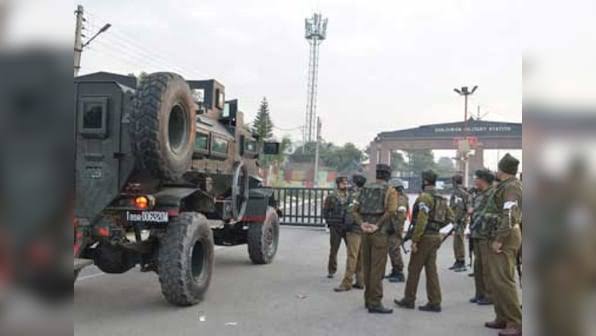
This new policy comes just two weeks after a horrifying terrorist attack in Pahalgam, Jammu and Kashmir, in which 26 innocent tourists lost their lives. The attack, linked to Pakistan-based groups, deeply shocked the nation and stirred grief across communities. In its wake, India responded with precision missile strikes on terror infrastructure located in Pakistan and in Pakistan-occupied Jammu and Kashmir (PoJK).
Instead of de-escalating, Pakistan retaliated by targeting civilian areas in India, a move that has only worsened tensions. The Indian government has made it clear that the continued tolerance and support of terrorist groups by the Pakistani military, particularly its Inter-Services Intelligence (ISI) wing, will no longer be ignored.
Sources from India’s military and intelligence agencies have presented strong evidence of Pakistan’s direct involvement in sheltering and enabling these groups. Many terror camps are situated alarmingly close to military cantonments, and in several instances, terrorists have been seen moving freely within sensitive areas under the watch of Pakistani forces. This pattern has led Indian officials to conclude that such support is not passive but a deliberate and strategic backing of violent non-State actors.
Operation Sindoor, India’s targeted military action earlier this week, was aimed precisely at dismantling these terror safe havens. Indian strikes were met with defensive posturing by the Pakistani Army, further proving their complicity in protecting such camps.
India’s stance is not just a military one—it also aims to expose Pakistan’s duplicity on the world stage. While presenting itself as a responsible nation, Pakistan continues to allow and assist extremist factions that threaten peace in the region. India is committed to not just neutralizing threats at the border but also to highlighting this contradiction in international forums.
India’s list of what may be considered acts of war now includes not just bombings and hijackings, but also cyber, biological, or chemical attacks. The message is unambiguous: the price of sponsoring terrorism is no longer going to be limited to diplomatic protests or isolated military responses.
In these tense times, the Indian government has reiterated its resolve to protect its people, infrastructure, and sovereignty. As families mourn their lost loved ones and civilians brace for more threats, the sentiment is one of unity, vigilance, and an unwavering belief in justice.
For now, India watches and waits—but with a firm hand on its defense and a clear message to those who threaten its peace.