At the ET Doctor’s Day Conclave, Dr. Jitendra Singh, Union Minister of State for Science & Technology and a respected medical expert, delivered a rousing address spotlighting India’s place at the forefront of a global health-tech revolution.
From Earth to Orbit: Medical Innovation Soars
One of the standout moments of his speech was the mention of Indian astronaut Shubhanshu Shukla’s mission to the International Space Station. He carried with him life science kits designed in India. This could pave the way for an entirely new discipline — Space Medicine.
“Very soon, we might have a dedicated stream in medical academics called Space Physicians,” Dr. Singh predicted. This vision aligns closely with India’s roadmap for Viksit Bharat @2047.
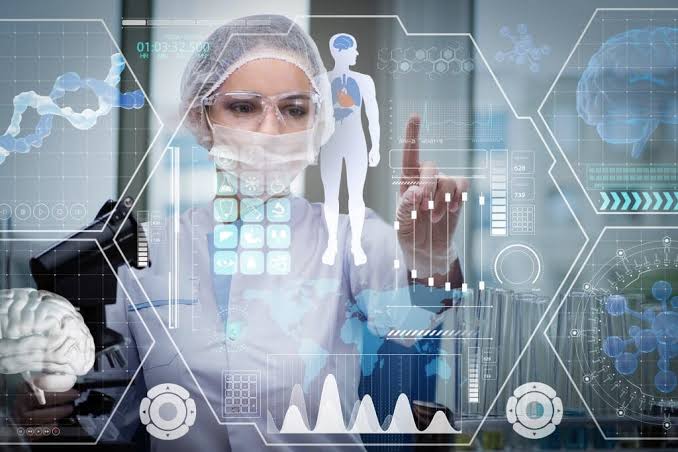 DNA Vaccines to Gene Therapy: Leading the World
India’s health R&D sector has already delivered impressive breakthroughs:
- World’s first DNA vaccine for COVID-19
- Indigenous HPV vaccine for cervical cancer
- First successful gene therapy trial for haemophilia, published in the New England Journal of Medicine
- Launch of Nafithromycin, India’s first homegrown antibiotic molecule
These achievements, Dr. Singh noted, stem from early collaboration between government institutions and private industry. This model of public-private synergy will continue to play a crucial role in health innovation.
A Dual Health Challenge: Aging & Youth
Dr. Singh spoke of India’s “bi-phasic” demographic reality. Over 70% of the population is under 40, yet life expectancy has increased to nearly 80 years. This creates both opportunities and challenges.
He warned of the “dual burden” of disease — a combination of communicable and non-communicable illnesses. In the post-COVID era, preventive care, early detection, and health education must form the foundation of India’s strategy.
Smart Technologies for a Smarter Healthcare
Artificial Intelligence, telemedicine, and machine learning were spotlighted as game-changers. These technologies can expand access to remote areas and reduce costs. India’s tech-enabled models like Ayushman Bharat prove that healthcare can be both affordable and effective.
Institutional Innovation: Future-ready Healthcare
In a bid to merge education and healthcare innovation, premier institutes like IIT Kanpur and IISc Bengaluru are setting up medical schools. This interdisciplinary approach could define the future of medical training and research in India.
He praised institutions like Sree Chitra Tirunal Institute in Trivandrum for integrating research, manufacturing, and clinical services — a model worth replicating.
Cancer Care and Hygiene Management
Highlighting cancer treatment, Dr. Singh spoke about India’s move toward targeted radiation therapy. Tata Memorial Centre now operates as a fully digital and cashless hospital, setting new benchmarks for public health services.
He also touched on innovative sanitation solutions used during mega-events like Kumbh Mela, including radiation-based faecal sludge treatment plants that ensured safe hygiene for over 400 million pilgrims.
Climate and Health: A Growing Concern
Dr. Singh mentioned Mission Mausam, which provides early warnings for health risks tied to climate change. This mission will build resilience against climate-triggered health disasters.
Carrying Forward the Soul of Medicine
In his closing remarks, Dr. Singh called for retaining the human aspect of healthcare even as India embraces technology. “Let us not hand over everything to the technocrats. A bit of the doctor must remain,” he said with conviction.
India’s journey toward a futuristic, inclusive, and globally competitive healthcare ecosystem has begun. But collaboration — across sectors, disciplines, and institutions — will determine its success.